ASEAN
Bangladesh Proposes Cross-Border Natural Gas Pipeline from Myanmar
The Bangladeshi government seeks to import natural gas from Myanmar through a proposed pipeline to address domestic energy shortages.
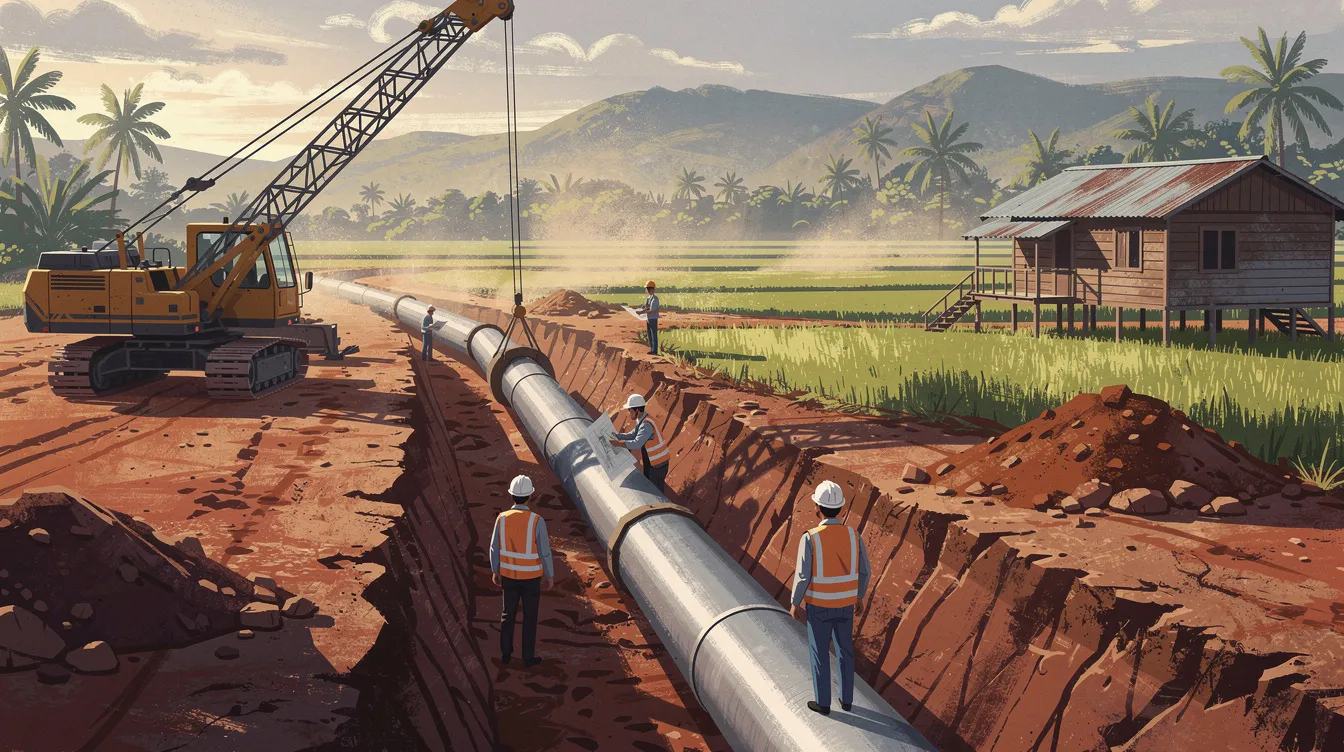
The government of Bangladesh has formally proposed a cross-border natural gas pipeline from Myanmar to Chattogram, aiming to bolster energy cooperation and address increasing domestic energy shortages. This initiative was presented on August 2 by Iqbal Hassan Mahmood, the Minister of Power, Energy, and Mineral Resources, during a meeting with Kyaw Soe Moe, Myanmar’s Ambassador to Bangladesh, in Dhaka.
Bangladesh is facing a significant energy crisis, primarily due to declining domestic natural gas production, which has led to a reliance on costly imported liquefied natural gas (LNG). The proposed pipeline aims to secure long-term energy supplies by reviving a long-standing proposal to build a pipeline linking gas fields in Myanmar directly to southeastern Bangladesh. This move is seen as crucial for Bangladesh as it seeks to stabilize its energy sector amidst rising demand and dwindling local resources.
Energy negotiations between the two countries are occurring in the context of broader bilateral relations, which also include discussions on the repatriation of over one million Rohingya refugees currently residing in camps in Bangladesh. Many of these refugees fled northern Arakan State in Myanmar during military operations in 2016-2017, actions that are now subject to an ongoing genocide case at the International Court of Justice (ICJ).
According to Bangladeshi media, the proposed pipeline is part of a larger strategy to enhance energy security and economic cooperation between the two nations. The proposal reflects Bangladesh's urgent need for sustainable energy solutions as it grapples with an energy crisis exacerbated by increasing global LNG prices and domestic production challenges.
The proposal has been met with cautious optimism by energy analysts, who note the potential benefits of enhanced energy cooperation. However, the geopolitical complexities surrounding the Rohingya issue may impact the feasibility and timeline of such infrastructure projects.