Laos
Laos Plans 490-Kilometre Vietnam Border Road to Support Wind Project
Officials have begun coordinating a three-phase route through Khammouane, Bolikhamxay and Xieng Khouang, with forest impacts and links to a company-backed wind project among the issues under review.
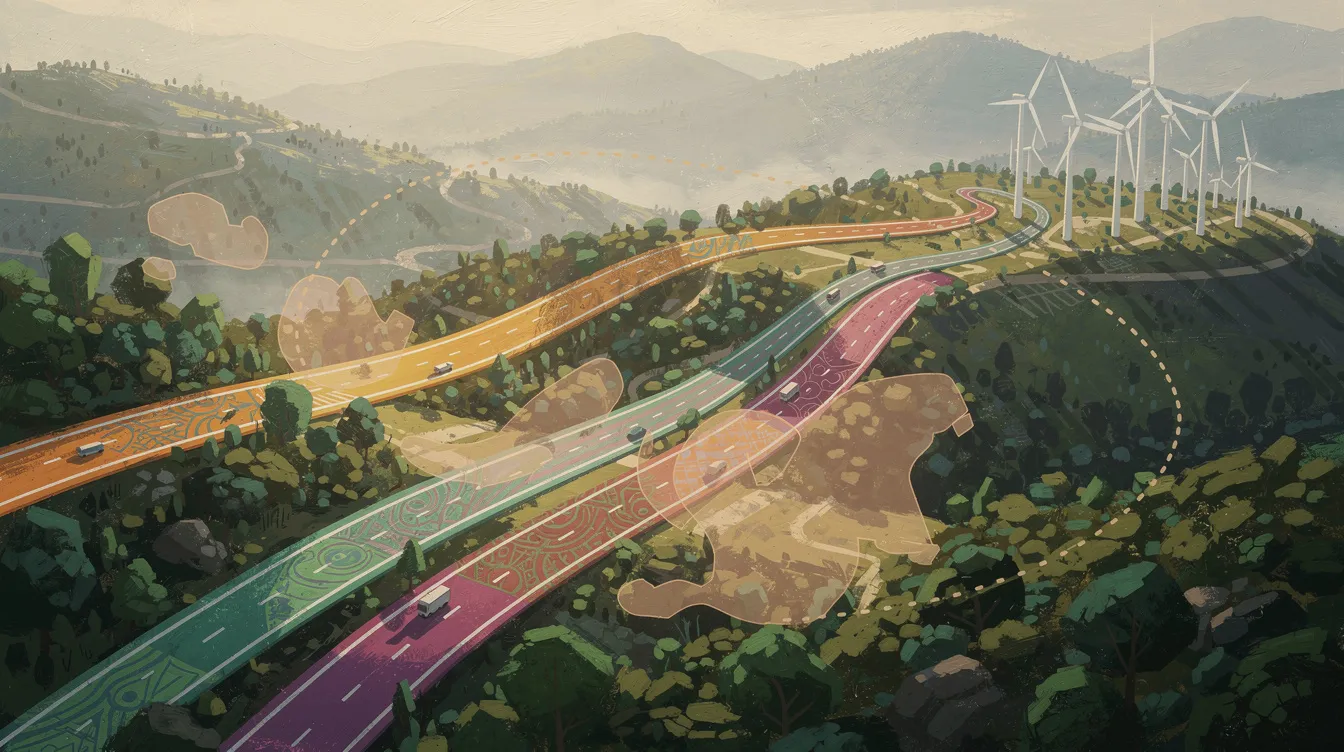
Laos is preparing a 490-kilometre road along its border with Vietnam, with officials reviewing the route, project coordination and potential effects on forest areas. The road is also intended to support a wind power project by CLE 1 Co., Ltd., according to the Lao News Agency.
Officials met in Khammouane on 19 November to discuss a steering committee and working group for the project. Saichay Kommasith, Deputy Minister of National Defense and Chief of the General Staff of the Lao People’s Army, presented an agreement setting out the committees’ responsibilities and coordination arrangements, the agency reported.
The proposed route would cross Khammouane, Bolikhamxay and Xieng Khouang provinces. Its first phase is planned to run 92 kilometres from Ban Phone in Boualapha district, Khammouane, to Ban Maka in Bolikhamxay. A second section would extend 140 kilometres to Namphao, followed by a 258-kilometre stretch to Ban Nam On and Ban Nam Kan in Xieng Khouang.
Forest areas and project coordination
Officials discussed identifying forest areas that could be affected and how potential impacts might be managed. The Nakai-Nam Theun National Park Office briefed the meeting on the park’s boundaries and possible effects from the proposed road, according to the Lao News Agency. The available report does not specify the road’s final alignment, construction timetable or the findings of a completed environmental assessment.
Vietnamese government assistance and financing from CLE 1 are expected to support the project, the report said. It did not provide a financing amount or further details on the company’s wind project. The road’s stated connection to that project gives the proposal an energy dimension, while the route’s passage through forest areas remains part of the planning discussion.
For foreign investors and energy developers, the project is one of several transport links being advanced between Laos and Vietnam. InsideASEAN reported in July that bilateral trade exceeded USD 1.3 billion in the first half of 2026, with energy exports and tourism among the drivers. That trade figure provides context for the two countries’ economic links, but the road report does not set out a projected freight volume or estimate the road’s effect on trade.
A separate road from larger cross-border links
The planned border road is separate from the 700-kilometre Vientiane–Hanoi Expressway corridor, which the report says represents more than USD 2.8 billion in combined investment across Laos and Vietnam. Vietnam began construction in May on an approximately 60-kilometre section in Nghe An Province. On the Lao side, the corridor includes a planned 203.8-kilometre section from Paksan district to the border, targeted for completion in 2030, and a separate planned 126-kilometre section between Vientiane Capital and Paksan.
Another proposed highway would run 485 kilometres from Vientiane Capital to the Namsoi Border Checkpoint in Houaphanh. These projects have different routes and scopes; the available information does not establish that they share financing or construction schedules with the 490-kilometre border road.
Laos and Vietnam are also advancing plans for a 562-kilometre railway linking Vientiane Capital with Vung Ang Port in Vietnam’s Ha Tinh Province. The full project is estimated to cost USD 6.6 billion, while Laos has submitted a USD 1.3 billion proposal for its initial section in Khammouane. In November, unexploded ordnance clearance along the railway route in Khammouane had reached 90 percent, and the project was preparing to move into infrastructure construction, according to the report.
The railway and road proposals are distinct infrastructure projects. For the new border road, the immediate steps reported so far are the formation of project committees, coordination among officials and consideration of forest areas along the proposed route.