Indonesia
Perry Warjiyo Resigns as Governor of Bank Indonesia, Destry Damayanti Takes Over Temporarily
The sudden resignation of Perry Warjiyo raises questions about the future leadership of Indonesia's central bank amid economic pressures.
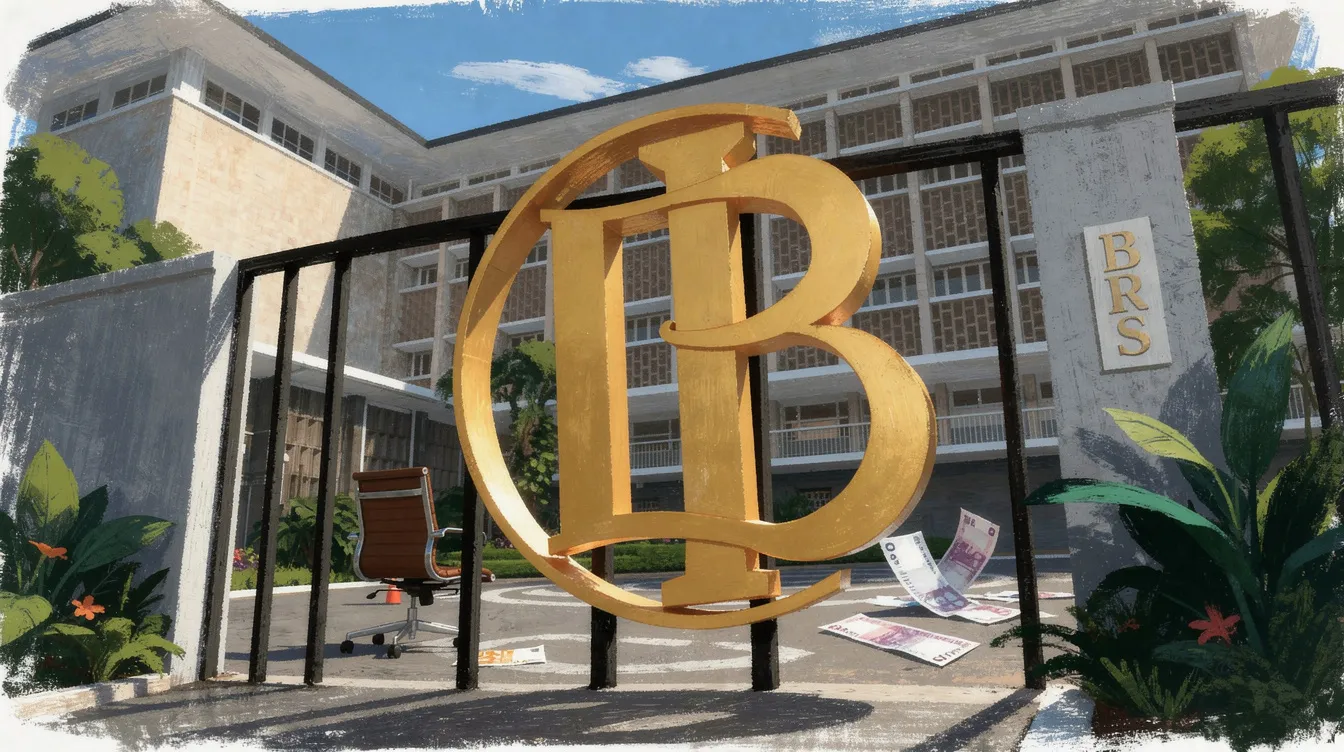
On July 25, 2026, Perry Warjiyo unexpectedly resigned as the Governor of Bank Indonesia (BI), citing personal reasons that remain undisclosed. His resignation, accepted by President Prabowo Subianto, has raised concerns among investors regarding the independence of the central bank and the stability of the Indonesian rupiah.
Destry Damayanti, previously the Senior Deputy Governor, has been appointed as the acting governor until a permanent successor is chosen. Under Indonesian law, when a governor resigns, the Senior Deputy Governor automatically assumes the role of acting governor until a new appointment is made by the president and approved by the House of Representatives (DPR), as explained by State Secretary Prasetyo Hadi.
“We will continue to maintain the stability of the rupiah and the financial system.”Destry Damayanti, acting Governor of Bank Indonesia
Market reactions to Warjiyo's resignation were immediate, with the rupiah depreciating to Rp 18,009 per US dollar. Analysts noted that this transition comes at a time when the Indonesian economy grapples with global uncertainties and pressures on the currency. According to analysts at the Center of Reform on Economics (CORE), the impact of Warjiyo's departure could lead to increased volatility in the financial markets, particularly if the new governor is perceived as politically influenced.
Indonesian media outlets have emphasized the shockwaves caused by Warjiyo's resignation, noting that it comes just two years before the end of his term. CNBC Indonesia highlighted that Warjiyo was the only governor to serve two consecutive terms, and his departure has prompted discussions about his legacy, particularly regarding the QRIS payment system he championed.
Destry, while addressing the media, emphasized that the central bank's policies would remain unchanged during her tenure. She reassured the market that there was no need for panic following the leadership change, stating that the operational functions of BI would proceed as normal, adhering to the established decision-making processes.
The search for Warjiyo's permanent replacement is underway, with President Prabowo expected to propose candidates to the DPR. Potential candidates include Thomas Djiwandono, a deputy governor and nephew of the president, and Purbaya Yudhi Sadewa, the Minister of Finance. However, concerns have been raised about the implications of appointing someone with close ties to the political leadership, as this could further affect the perceived independence of the central bank. The Diplomat reported that the appointment of Djiwandono has sparked worries about nepotism and political influence over BI, which could undermine investor confidence.
“The new governor must be someone who can resist political pressures and prioritize monetary stability.”Bhima Yudhistira, economist at Celios
Economists have voiced the need for a successor who can ensure the credibility and independence of BI. Bhima Yudhistira, an economist from the Center of Economic and Law Studies (Celios), highlighted that the new governor must be someone who can resist political pressures and prioritize monetary stability over growth at the expense of inflation. He stressed that the next governor should ideally come from within BI to maintain continuity in policy and credibility.
Indonesian coverage has framed the resignation as a critical moment for the Prabowo administration, which has faced scrutiny over its economic policies. The Diplomat noted that the administration's high-spending populist policies have raised concerns among investors, particularly following the dismissal of respected Finance Minister Sri Mulyani Indrawati last September. This context adds weight to the concerns about the central bank's independence and the potential for increased political interference in economic policymaking.
As the situation develops, the market will be closely monitoring the government's next steps regarding the appointment of a new governor. The transition period is viewed as a crucial test for Indonesia's monetary policy framework and the central bank's ability to navigate economic challenges without succumbing to political pressures.