Indonesia
Mount Anak Krakatau Erupts Multiple Times, Safety Alerts Issued
Indonesian authorities are closely monitoring the increased volcanic activity of Mount Anak Krakatau, which has erupted repeatedly, prompting safety warnings for nearby residents and tourists.
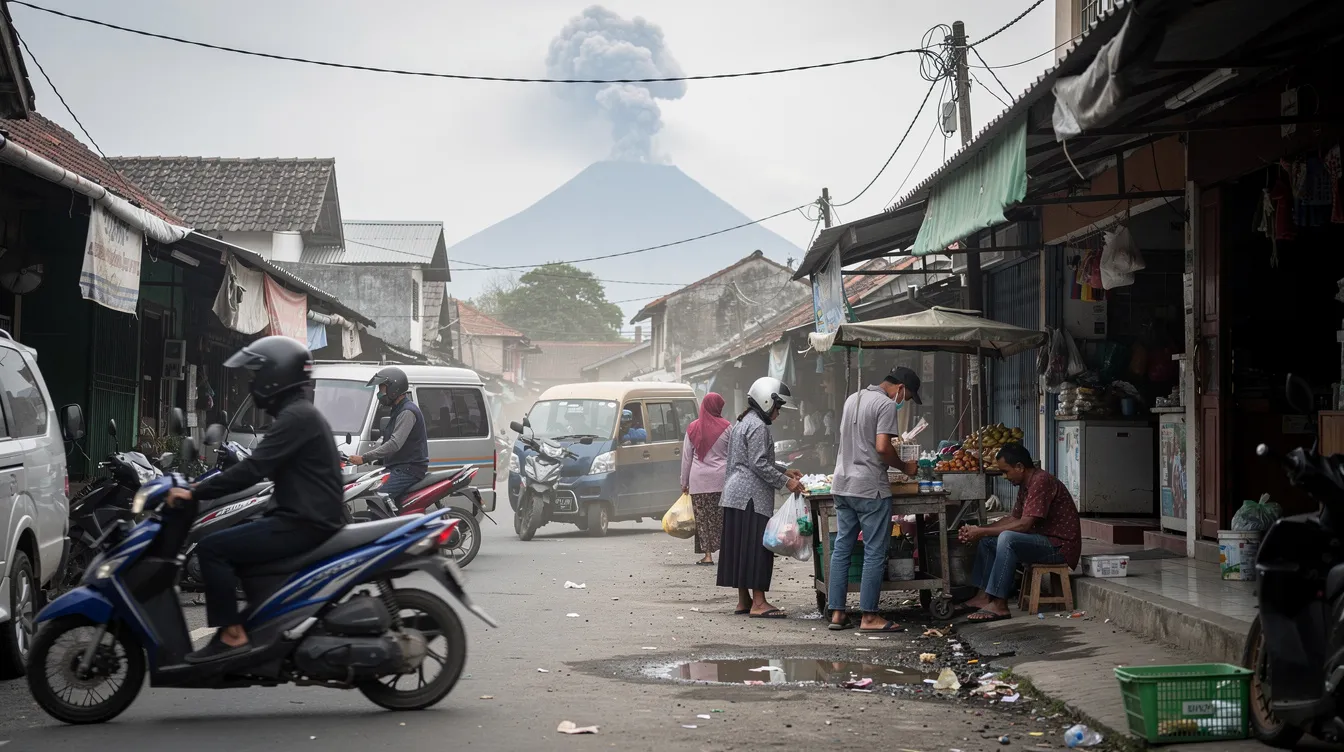
Mount Anak Krakatau, located in the Sunda Strait between the islands of Sumatra and Java, has been experiencing heightened volcanic activity, with authorities recording multiple eruptions over recent days. On August 17, 2026, the volcano erupted 19 times, with ash columns reaching heights of up to 400 meters (1,312 feet) above its summit, according to the Center for Volcanology and Geological Hazard Mitigation (PVMBG).
Monitoring reports indicate that the eruptions have been accompanied by significant seismic activity, with a total of 740 shallow volcanic earthquakes recorded from June 16 to July 2, 2026. The seismic events suggest ongoing magma movement beneath the surface, raising concerns about potential hazards in the area. PVMBG has raised the alert level of the volcano from Level II (Waspada or Alert) to Level III (Siaga or Standby) due to these developments.
“The activity of Mount Anak Krakatau remains fluctuating, and monitoring is conducted 24 hours a day.”Suwarno, Head of Anak Krakatau Monitoring Post
Officials have urged residents, tourists, and fishermen to maintain a safe distance from the volcano, recommending a minimum exclusion zone of 3 kilometers (1.86 miles) from the active crater. This precaution aims to protect individuals from volcanic material that may be ejected during eruptions. As a safety measure, the authorities are conducting continuous monitoring of the volcano's activity through both visual and instrumental observations.
“Authorities urge residents and tourists to avoid activities within a 3-kilometer radius of the active crater.”PVMBG Official
Historically, Mount Anak Krakatau is known for its violent eruptions, including the catastrophic event in 1883 that resulted in massive tsunamis and the loss of over 36,000 lives. The volcano emerged from the sea in the late 1920s and has since been a subject of scientific interest and concern due to its potential for destructive activity. In December 2018, a partial collapse of the volcano triggered another deadly tsunami, highlighting the ongoing risks associated with this geological feature.
In addition to the volcanic activity, Indonesia is grappling with the aftermath of a recent earthquake that struck East Nusa Tenggara on August 15, 2026. This earthquake, measuring 7.7 in magnitude, has resulted in a rising death toll of 105 and nearly 180,000 people displaced, according to the National Disaster Management Agency. The dual crises have raised concerns about the country's disaster preparedness and response capabilities.
Indonesian coverage of the volcanic eruptions has emphasized the immediate need for safety and monitoring, reflecting a national priority on protecting residents and tourists from potential hazards. In contrast, international outlets have framed the situation within a broader context of Indonesia's geological vulnerabilities, highlighting the ongoing seismic threats the country faces.
As of August 18, 2026, the seismic activity at Anak Krakatau continues, with authorities maintaining a vigilant watch over the situation. Local communities are advised to stay informed through official channels and to avoid spreading unverified information regarding the volcano's activity.