Indonesia
Indonesia's Mineral Exchange: A New Era in Downstreaming
The establishment of the Bursa Mineral dan Komoditas Strategis marks a significant shift in Indonesia's approach to mineral management and market influence.
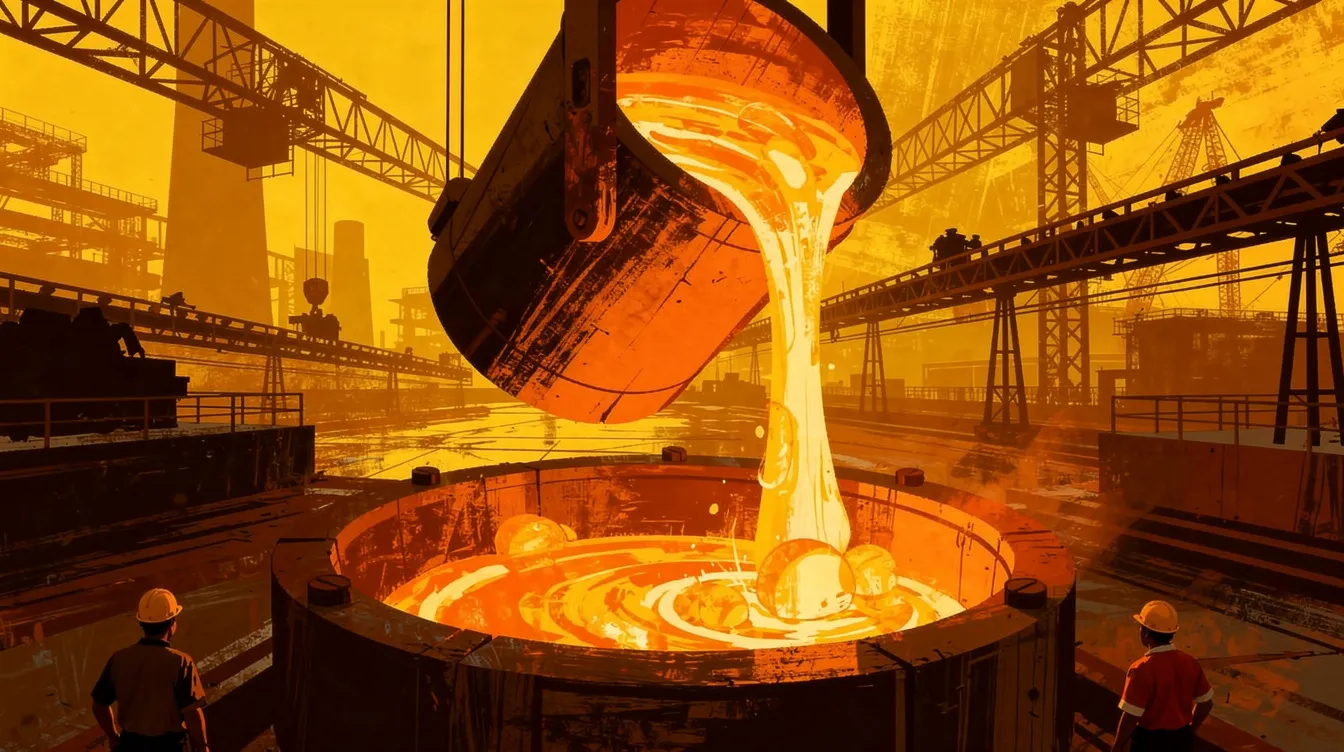
Indonesia is poised for a transformative shift in its mineral sector with the upcoming launch of the Bursa Mineral dan Komoditas Strategis (BMKS) on January 1, 2027. This new exchange aims to enhance the country's ability to not only process minerals but also to establish a significant presence in the global market by influencing pricing and trade.
For years, Indonesia has been a major player in mineral production, particularly in nickel, where it accounted for approximately 66% of the world’s output in 2025, according to the US Geological Survey. However, despite its production capabilities, Indonesia has struggled to establish a foothold in the pricing mechanisms that govern global mineral markets, which are largely dominated by exchanges like the London Metal Exchange (LME) and the Shanghai Futures Exchange (SHFE).
The BMKS represents a strategic move to shift from a production-centric model to one that emphasizes market power. As outlined by the Ministry of Energy and Mineral Resources (ESDM), the government is committed to ensuring that the value of Indonesia's mineral wealth is retained within the country through downstream processing. Minister Bahlil Lahadalia emphasized that the government will not allow the export of raw minerals, aiming instead to foster local smelting and refining industries.
“We will provide as much space as possible for investments in smelting facilities in Indonesia.”Bahlil Lahadalia, Minister of Energy and Mineral Resources
“We will provide as much space as possible for investments in smelting facilities in Indonesia,” said Bahlil. This approach is intended to create a more sustainable economic model that benefits local communities and the national economy.
The establishment of BMKS is also backed by regulatory frameworks, including the Financial Services Authority's (OJK) new regulations that will govern the exchange. These regulations are designed to ensure that the BMKS operates with high standards of transparency and integrity, which are essential for building trust among market participants.
As Indonesia prepares for this new chapter, it faces several challenges. Analysts note that simply establishing a market does not guarantee liquidity or participation. “Liquidity requires trust, and trust requires integrity and reliable settlement mechanisms,” said Rosan P. Roeslani, Head of the Investment Coordinating Board (BKPM). The success of BMKS will depend on its ability to attract participants and foster a credible pricing environment.
“Liquidity requires trust, and trust requires integrity and reliable settlement mechanisms.”Rosan P. Roeslani, Head of the Investment Coordinating Board
Furthermore, the Indonesian government is also focusing on integrating technology into the BMKS framework to enhance market intelligence and oversight. This will involve the use of data analytics to monitor transactions and detect anomalies, thereby improving the overall efficiency of the market.
BMKS is not just about creating a new trading platform; it is about rethinking how Indonesia engages with its mineral resources. The government aims to move beyond being just a supplier of raw materials to becoming a key player in the global mineral economy. This transition is critical as the world increasingly turns to renewable energy and electric vehicles, which rely heavily on minerals like nickel and cobalt.
In conclusion, the establishment of the Bursa Mineral dan Komoditas Strategis marks a pivotal moment for Indonesia. As the country seeks to enhance its market power and influence global pricing, the success of this initiative will depend on effective governance, market participation, and the ability to establish a credible domestic pricing mechanism.