Indonesia
Flores: The Island of Colors and Cultures
Discover the vibrant tapestry of Flores, where stunning landscapes meet rich traditions and communal harmony.
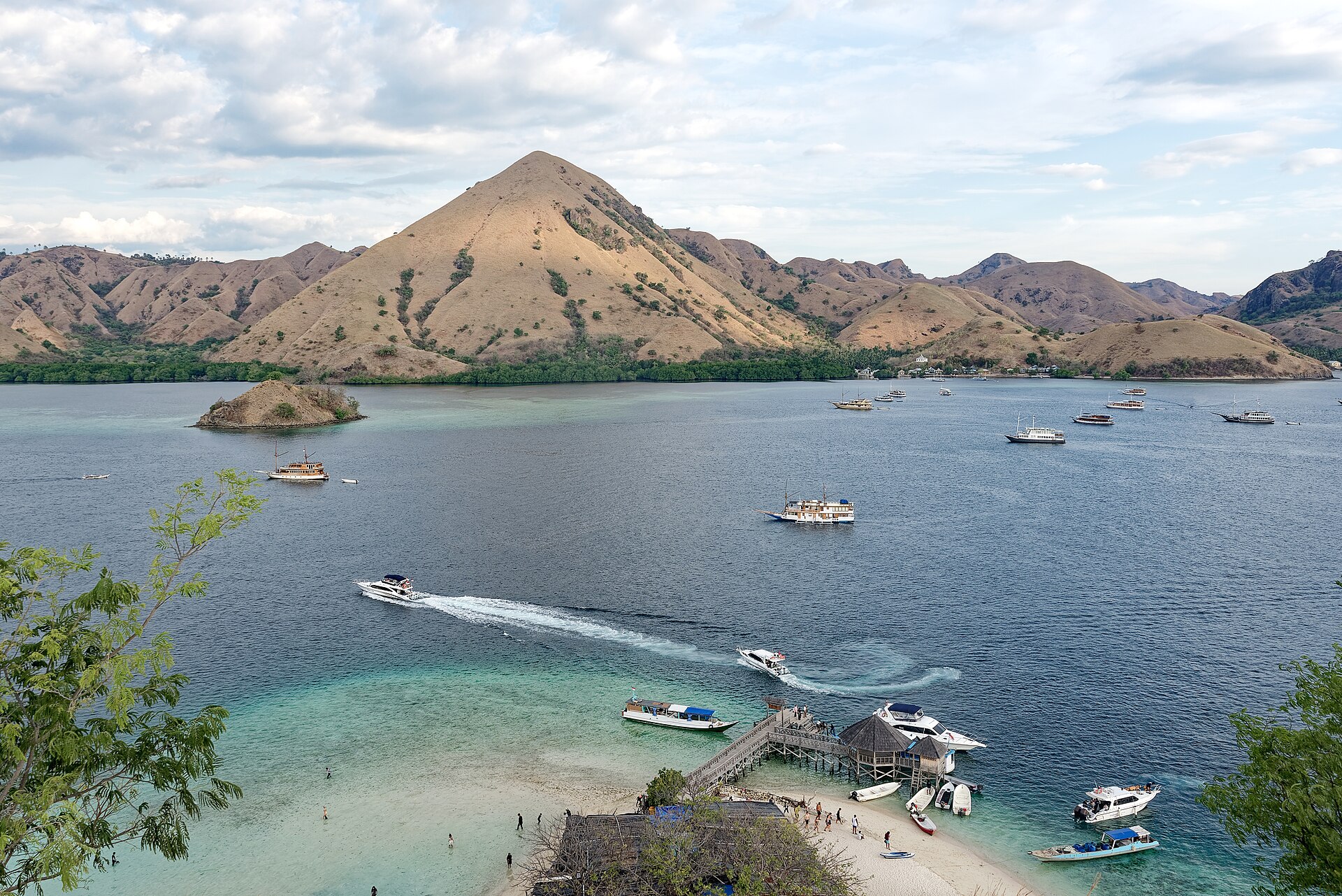
As the sun dips below the horizon, the sky over Flores transforms into a canvas of fiery oranges and deep purples, reflecting the island's vibrant spirit. Here, in the heart of Indonesia's Lesser Sunda Islands, the air is filled with the scent of blooming flowers and the sounds of laughter echoing from traditional villages. Flores, meaning 'flowers' in Portuguese, is not just a name; it embodies the island's essence—a celebration of life, culture, and nature.
Flores is a land of contrasts, where lush green mountains cradle ancient traditions. The island is home to diverse ethnic groups, including the Manggarai in the west and the Ngadha in the central region. Each community brings its own unique customs and languages, creating a rich tapestry of cultural heritage. The communal spirit, or gotong royong, is a way of life here, where villagers come together to support one another, whether in daily activities or during significant events like weddings.
One of the most captivating experiences on Flores is visiting the three-colored lakes of Mount Kelimutu. This natural wonder, located near the town of Moni, features lakes that shift in color from turquoise to red, depending on the weather and time of day. Local lore suggests that the lakes are the resting places of souls, a belief that adds a layer of mystique to this already enchanting site.
For those seeking adventure, the island's rugged terrain offers excellent trekking opportunities. The traditional village of Wae Rebo, nestled in a spectacular mountain valley, is a must-visit. Here, you can immerse yourself in the local way of life, staying in traditional homes and participating in communal activities. The villagers are eager to share their stories and customs, fostering a sense of connection that transcends language barriers.
Labuan Bajo, the bustling gateway to Komodo National Park, is another highlight of Flores. While it has become a tourist hotspot, its proximity to the majestic Komodo dragons and pristine diving spots makes it worthwhile. The vibrant coral reefs and diverse marine life are a testament to the island's ecological richness, though visitors are reminded to respect the environment and support sustainable practices.
In the quieter town of Bajawa, you can explore the indigenous architecture of the Ngadha people, where traditional houses stand as symbols of cultural pride. The cool climate at 1,200 meters above sea level offers a refreshing respite from the tropical heat, making it an ideal spot for leisurely exploration.
As you traverse the island, the flavors of Flores will tantalize your taste buds. The local cuisine, influenced by both indigenous and Portuguese traditions, features dishes rich in spices and fresh ingredients. Don’t miss the chance to try arak, a traditional distilled drink made from palm sap, which is an integral part of local celebrations.
Traveling around Flores can be an adventure in itself. The island is dotted with small airports, and while buses and shared vans (known as bemos) are available, they often take longer than expected due to the winding roads. Patience is key, as the journey offers stunning views of the landscape and a chance to connect with fellow travelers.
While Flores is a hidden gem compared to its more famous neighbors like Bali, it is a destination that promises an authentic experience steeped in culture and natural beauty. The island's communal spirit, breathtaking scenery, and rich traditions invite you to explore and connect in ways that will linger long after your visit.