Indonesia
Wakatobi: Indonesia's Underwater Paradise
Explore the breathtaking marine biodiversity and vibrant culture of Wakatobi Regency, a hidden gem in Southeast Sulawesi.
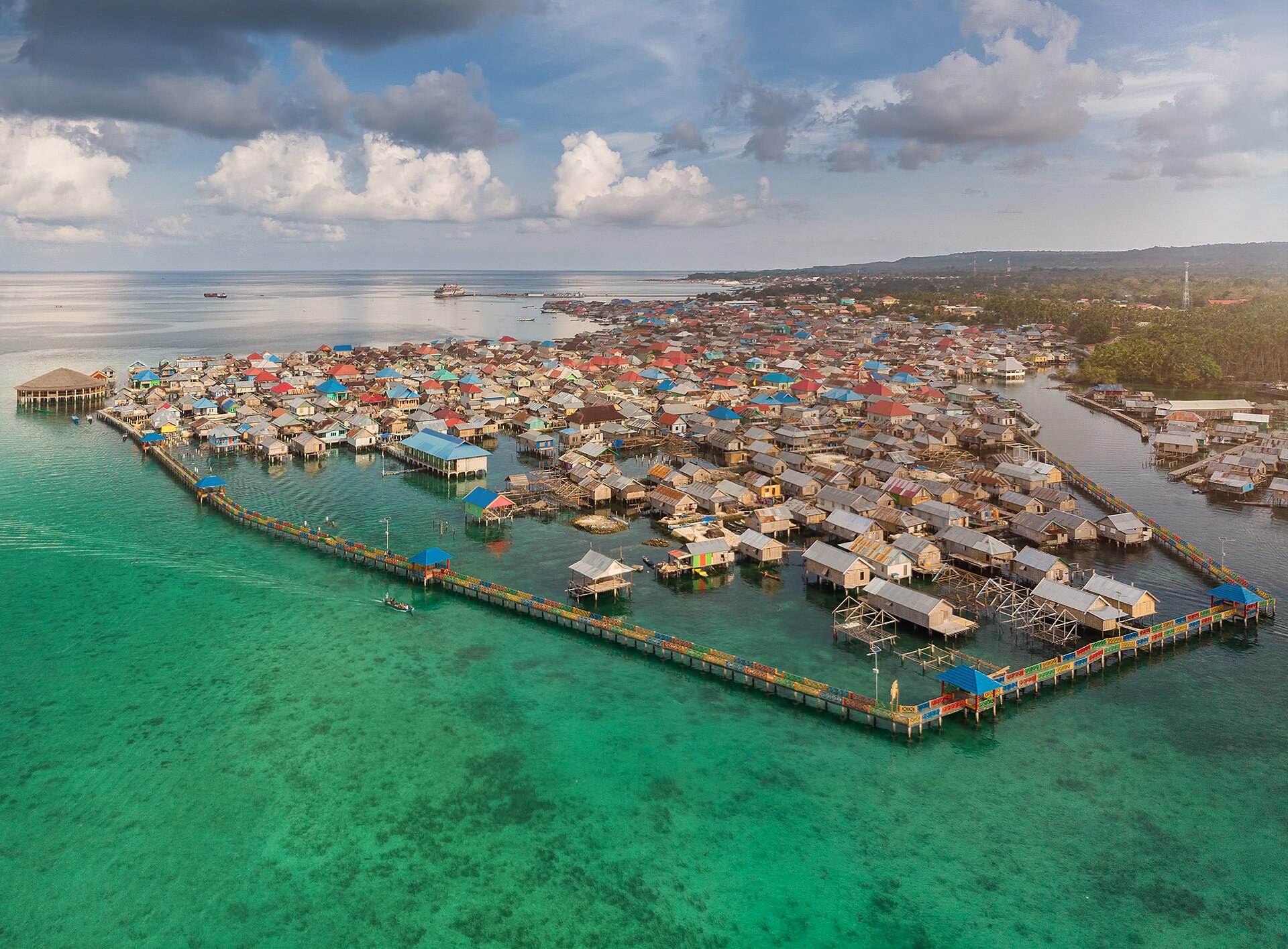
As the sun dips below the horizon, casting a golden hue over the tranquil waters, the small fishing village of Kaledupa comes alive with laughter and the scent of grilled fish wafting through the air. Here in Wakatobi Regency, the rhythm of life is dictated by the tides and the seasons, where the community thrives on the bounty of the sea. This archipelago, comprising four main islands—Wangi-wangi, Kaledupa, Tomia, and Binongko—offers a unique blend of stunning natural beauty and rich cultural heritage that beckons travelers seeking an authentic experience.
Wakatobi is not just a destination; it is a sanctuary for marine biodiversity. The Wakatobi Marine Park, established in 1996, spans over 1.39 million hectares and is part of the Coral Triangle, renowned for its vibrant coral reefs and diverse marine life. As you dive or snorkel in these crystalline waters, you may encounter colorful clownfish darting among anemones, graceful manta rays gliding overhead, and the occasional sea turtle lazily swimming by. The coral gardens here are among the most pristine in the world, a testament to the ongoing efforts of local communities and conservationists who have banded together in gotong royong, or communal cooperation, to protect their environment.
The Heart of Wakatobi
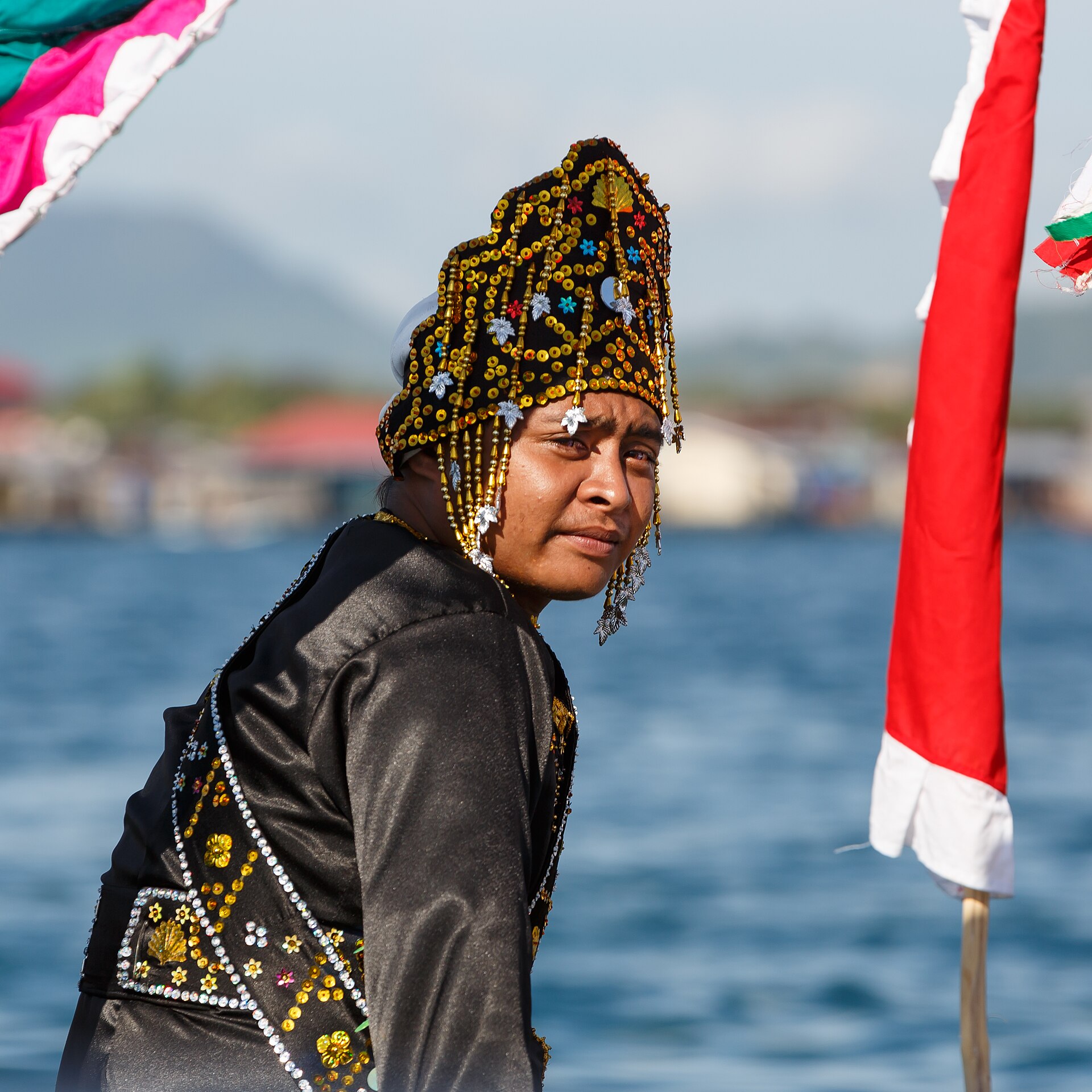
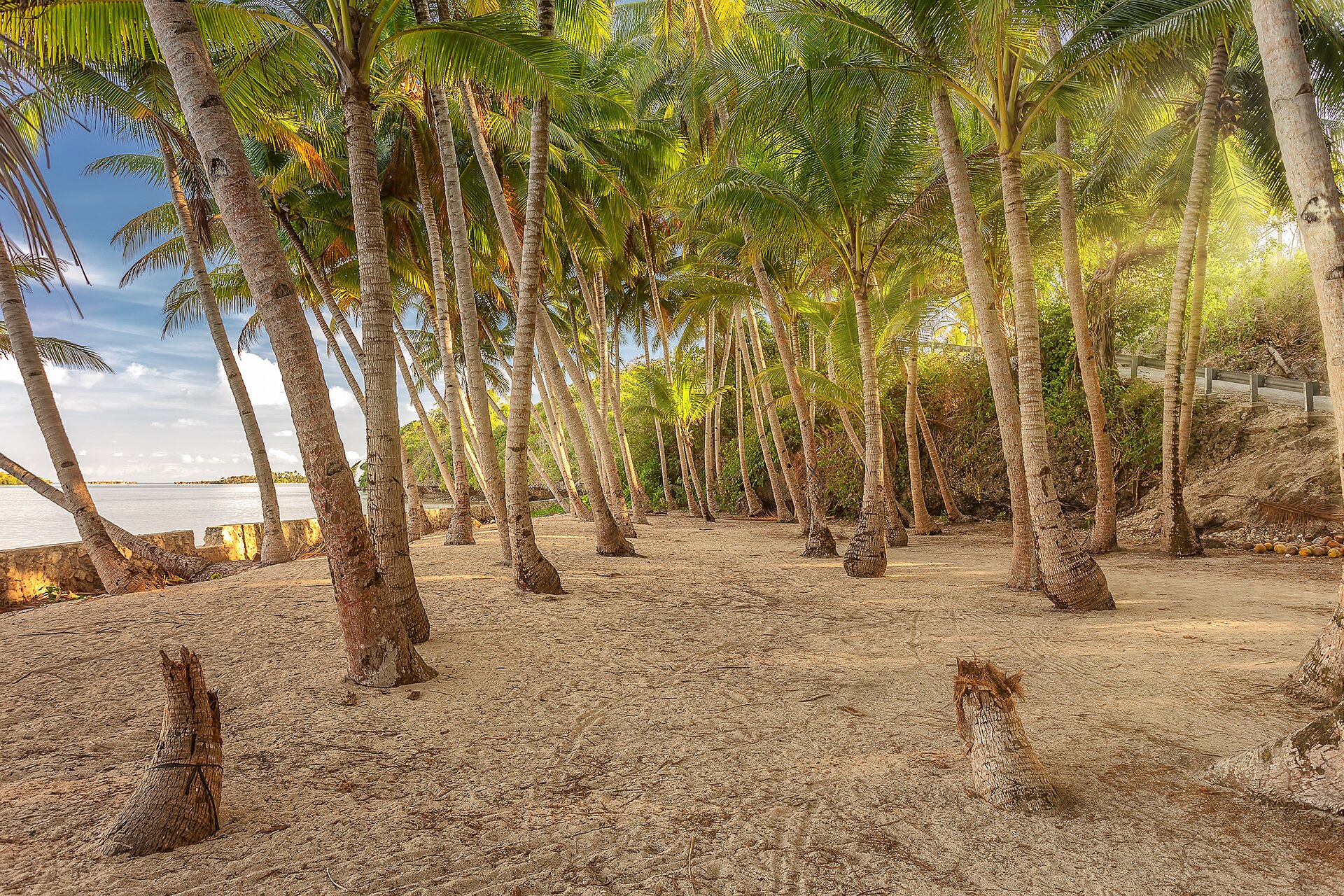
Each island in Wakatobi has its own character and charm. Wangi-wangi, the largest island, serves as the regency's capital and is known for its beautiful beaches and vibrant local markets. Here, you can wander through the bustling stalls of the traditional market, where vendors sell fresh seafood, tropical fruits, and handmade crafts. The island's name, which translates to 'fragrant', hints at the lush vegetation that flourishes here, particularly the clove trees that have historically shaped the local economy.
On Kaledupa, the atmosphere is more laid-back, with stunning views of the turquoise sea and opportunities for eco-tourism. Visitors can trek through the island's hilly terrain to discover hidden waterfalls and traditional villages where the Bajau people, known for their seafaring skills, still practice their time-honored customs. The Bajau's close relationship with the ocean is evident in their daily life, from fishing techniques passed down through generations to their intricate boat-building skills.
Practical Tips for Your Journey

Reaching Wakatobi requires some planning, as the islands are relatively remote. The most common route is to fly into the city of Kendari on Sulawesi's mainland, followed by a domestic flight to Wangi-wangi Island. Alternatively, you can take a ferry from Kendari, but be prepared for a longer journey. The best time to visit is during the dry season, from April to October, when the weather is perfect for diving and exploring.
When interacting with the local communities, it’s important to embrace the spirit of musyawarah, or consensus-building. Engaging with villagers respectfully and showing interest in their customs will open doors to deeper connections and enriching experiences. Don’t miss the chance to try local delicacies such as ikan bakar (grilled fish) and sagu, a traditional starch made from the sago palm.
As the stars twinkle above the calm waters, you may find yourself reflecting on the beauty of Wakatobi—not just in its breathtaking landscapes but in the resilience and unity of its people. This hidden gem of Indonesia is a reminder of the delicate balance between nature and culture, and the importance of preserving both for future generations.