Cambodia
QlinicOS Launches Khmer-Language Health Tech Platform in Cambodia
The new digital system aims to streamline patient care and improve healthcare efficiency across clinics and hospitals.
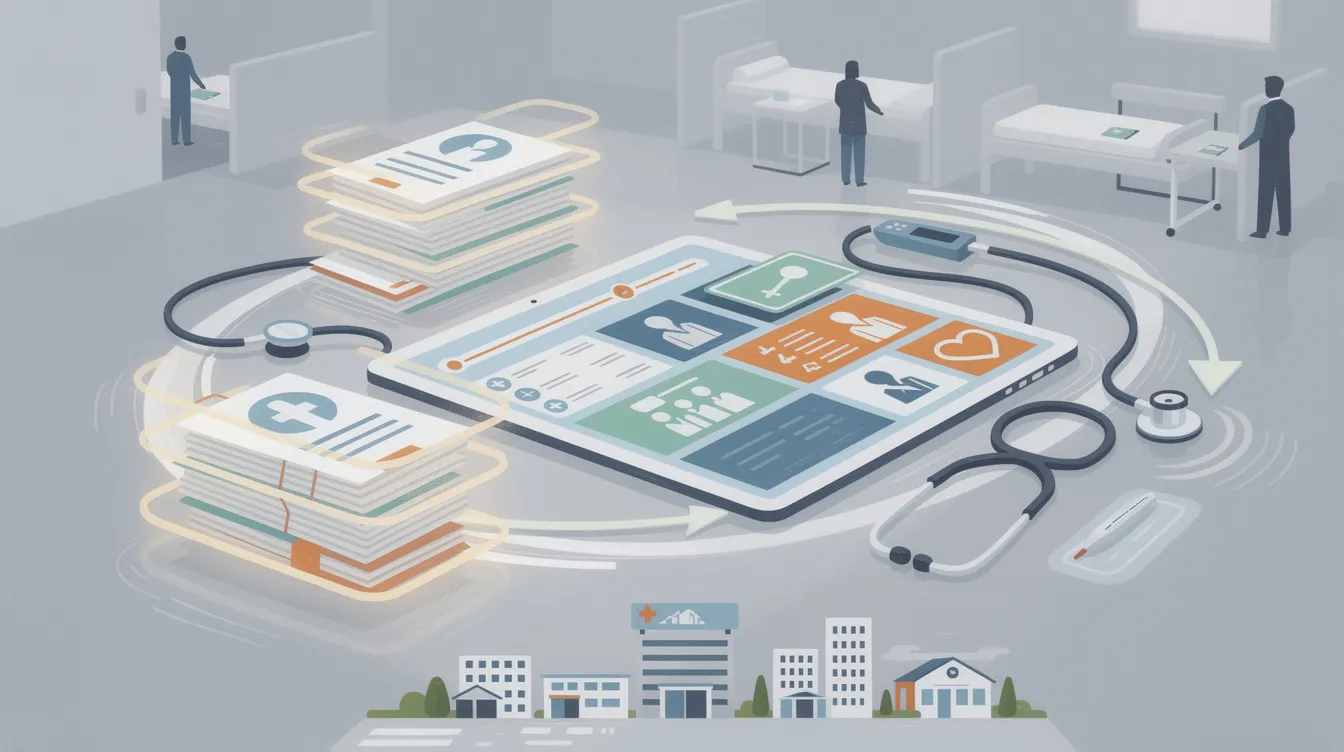
The Cambodian health technology company QlinicOS has introduced a comprehensive digital platform designed to enhance the management of patient records and streamline healthcare processes across clinics and hospitals. The platform integrates various functions such as consultations, laboratory results, pharmacy orders, and billing into a single system, addressing the challenges faced by facilities that still rely on paper-based records or fragmented software solutions.
According to Ansuman Das, founder and CEO of QlinicOS, the platform is tailored specifically for the Cambodian healthcare system, which often struggles with inefficiencies due to outdated practices. He noted that doctors and nurses re-entered the same details at every desk, chased lab results between departments, and filled in NSSF forms by hand at the end of the day. The introduction of Khmer-language support and National Social Security Fund (NSSF) workflows aims to facilitate smoother operations during patient visits.
“He said that as an engineer who knew the sector from the inside, he could see what needed building, so they built QlinicOS here, for how care is delivered here.”Ansuman Das, founder and CEO of QlinicOS
Das, who returned to Cambodia in 2022 after eight years in the UK, leveraged his background in computer science and international business to develop a solution that meets local needs. He observed that many existing healthcare software options were not designed for the Cambodian market, lacked Khmer-language support, and were often priced for larger systems. He said that as an engineer who knew the sector from the inside, he could see what needed building, so they built QlinicOS here, for how care is delivered here.
The platform creates a shared patient record that follows individuals through their entire visit, reducing the need for repetitive data entry and minimizing errors associated with manual record-keeping. For instance, when a doctor orders a laboratory test, the request is sent directly to the lab, and results are automatically updated in the patient's record. This interconnected system not only enhances efficiency but also provides healthcare managers with reliable data for planning and service delivery.
QlinicOS employs artificial intelligence to assist clinicians with drafting clinical notes and generating decision-support alerts. Das emphasized that the AI component is designed to enhance, not replace, the clinician's judgment. He said their principle is ‘judgment-aware automation’: the AI drafts, and the clinician decides. The system ensures that all AI-generated content is labeled and requires clinician approval before entering the patient record.
“He said their principle is ‘judgment-aware automation’: the AI drafts, and the clinician decides.”Ansuman Das, founder and CEO of QlinicOS
Currently, QlinicOS is used by more than seven healthcare facilities and is seeking additional partners for testing and adoption. The company is offering a pilot program to 30 clinics, which includes Khmer-language support and on-site training for staff. Das highlighted that clinics are often more focused on improving patient wait times and expediting claims rather than the number of software features available.
In a broader context, the Cambodian government has been promoting digital health initiatives as part of its strategy to enhance healthcare delivery. The Minister of Health, Chheang Ra, has stated that digital health represents a new era in healthcare management, emphasizing the importance of technology in improving service delivery and health outcomes. He also highlighted the need for safe, trusted, and ethical use of technology by health officials to improve health outcomes and strengthen the health system. The government encourages effective and sustainable use of digital technology within the healthcare system, with coordinated policies and governance to ensure quality standards, data protection, privacy, and public trust in digital health services.