Cambodia
Mexican Cartel's Influence Expands to Cambodia Amid US Drug Bust
A recent joint operation between US authorities and Cambodian police has revealed the Sinaloa Cartel's growing connections in Cambodia, highlighting the country's vulnerability to transnational crime.
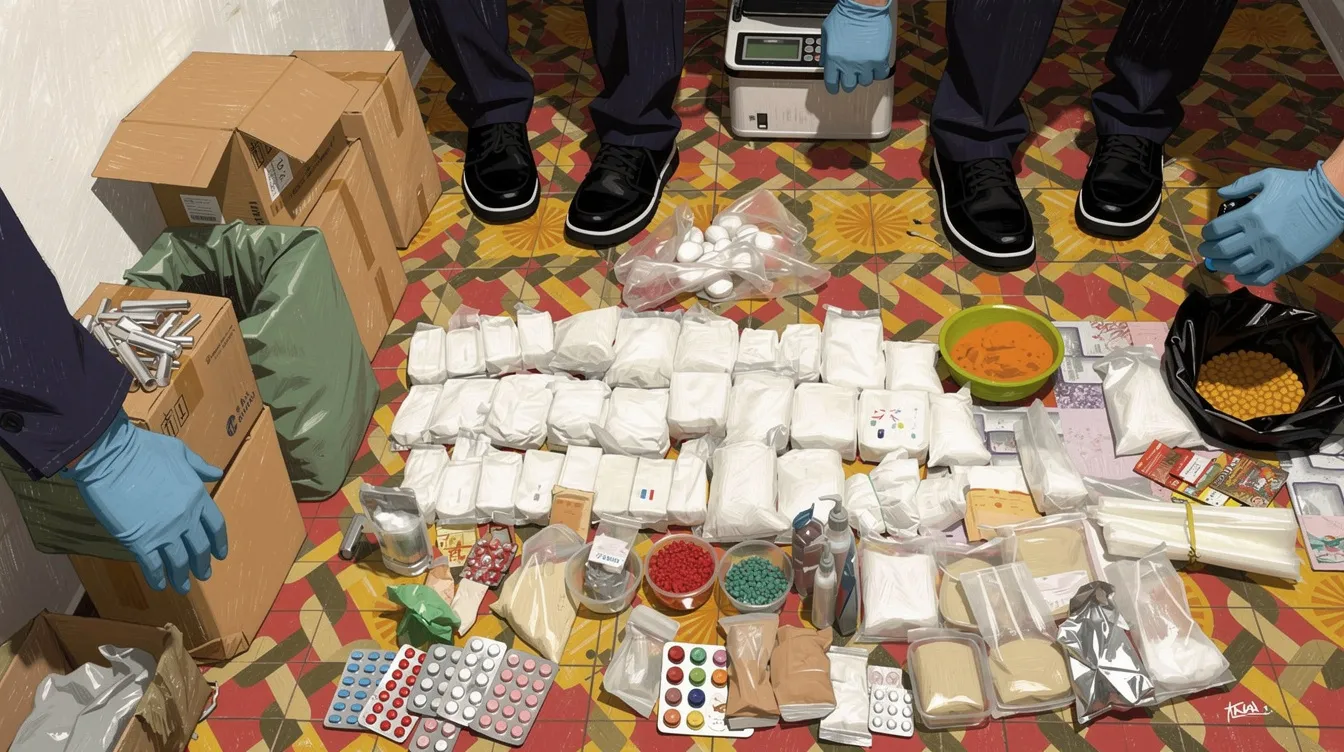
A recent joint operation between US authorities and Cambodian police has unveiled the expanding influence of the Sinaloa Cartel in Cambodia. This operation, which led to the arrest of multiple individuals, underscores the increasing vulnerability of the country to transnational organized crime.
During the operation, Cambodian police detained several suspects in connection with the cartel, which has been identified as one of the most powerful drug trafficking organizations globally. The arrests were part of a broader crackdown on drug trafficking that has been intensifying in Southeast Asia, a region increasingly recognized for its role in global narcotics trade.
“Officials indicated that collaboration with US authorities is essential for strengthening local law enforcement capabilities.”Cambodian National Police official
According to the US Drug Enforcement Administration (DEA), the Sinaloa Cartel has been expanding its operations beyond Mexico and the United States, establishing connections with local traffickers in various countries, including Cambodia. This trend is alarming, especially in light of a recent report from the United Nations Office on Drugs and Crime (UNODC), which highlighted the rise of organized crime in Southeast Asia and urged governments to adapt their responses to these evolving threats.
“The rise of organized crime in Southeast Asia has been highlighted as a significant concern requiring urgent action from governments.”UNODC report
Officials from the Cambodian National Police have acknowledged the growing challenges posed by international drug trafficking networks. They indicated that collaboration with US authorities is essential for strengthening local law enforcement capabilities and combating the influx of drugs into Cambodia. The police have emphasized their commitment to addressing these issues, which have far-reaching implications for public safety and national security.
As Cambodia continues to develop economically, concerns about its role as a transit point for drug trafficking are rising. The country's strategic location in Southeast Asia, coupled with its relatively weak regulatory framework, makes it an attractive target for international drug syndicates. The recent arrests serve as a stark reminder of the need for enhanced cooperation and vigilance in tackling these complex challenges.