ASEAN
Southeast Asia's Energy Future: Singapore International Energy Week to Address Power Security and AI Demand
The 19th Singapore International Energy Week will gather regional leaders to discuss electricity security, grid resilience, and the impact of AI on energy demands.
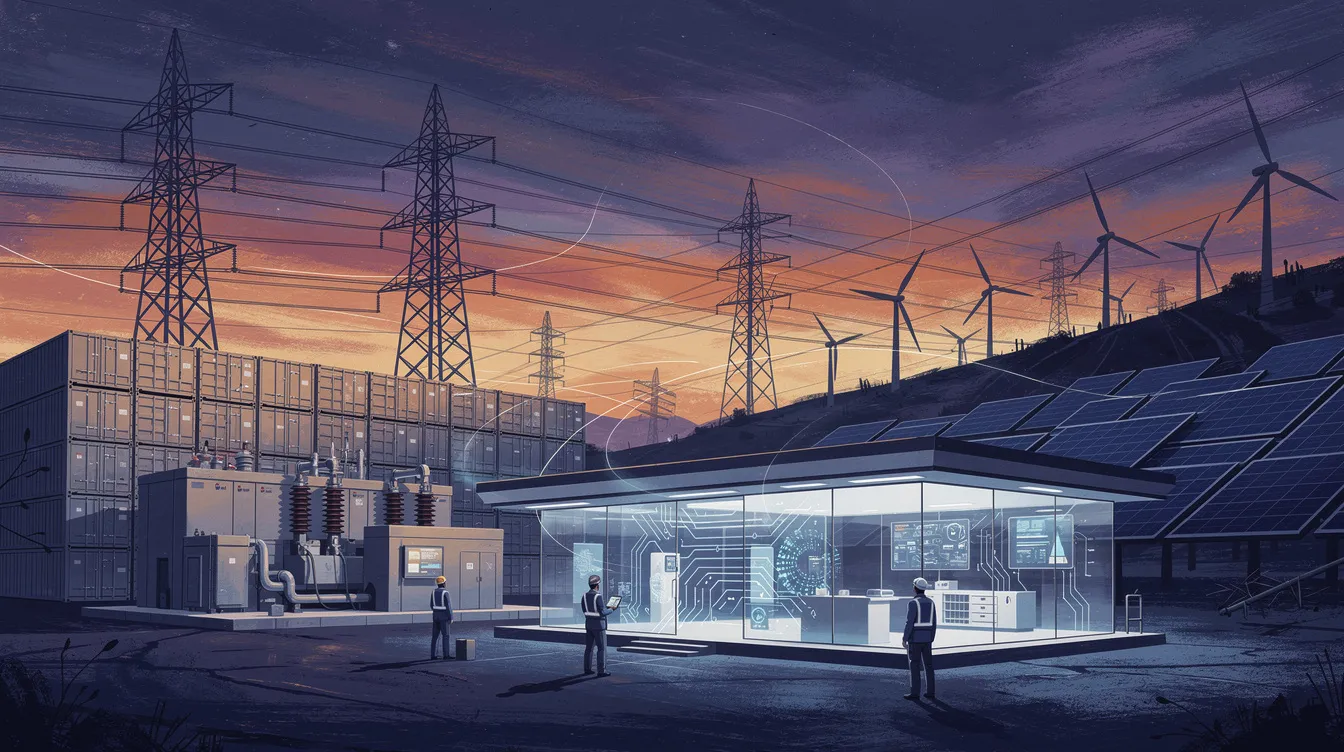
The 19th Singapore International Energy Week (SIEW), set to commence on October 26, will spotlight Southeast Asia's initiatives to secure reliable electricity supplies and address the burgeoning energy demands driven by artificial intelligence (AI). The event, themed "Connect Energy Systems, Power Tomorrow," will convene energy ministers, regulators, utilities, financiers, and technology companies from across the region, including the Philippines.
Philippine Energy Secretary Sharon Garin and Energy Regulatory Commission Chairman Francis Saturnino Juan will represent the country at this five-day event, as the Philippines seeks to diversify its energy sources and bolster its generation capacity amidst rising electricity prices and concerns regarding supply reliability. Their participation underscores the Philippines' commitment to regional collaboration in energy security.
“The Philippines' participation in regional energy discussions is relevant not only to its domestic power requirements but also to the long-term development of an interconnected Southeast Asian electricity market.”Manila Times, report
Central to the discussions will be the ASEAN Power Grid initiative, which aims to interconnect national power systems and facilitate cross-border electricity trading. This initiative is particularly relevant for the Philippines, as its unique archipelagic geography presents challenges for electricity transmission. However, greater regional integration could provide additional avenues for securing energy resources, potentially enhancing the country's energy security.
Singapore has been proactive in pursuing electricity imports and regional partnerships to diversify its energy supply. At last year's SIEW, Singapore's Minister for Trade and Industry, Tan See Leng, emphasized the importance of cooperation with regional partners to improve energy security and access to lower-carbon electricity. The 2025 edition of SIEW attracted over 23,000 participants from more than 80 countries, indicating the event's significance in the global energy dialogue.
This year's SIEW will also focus on the increasing demand for electricity driven by the expansion of AI services and data centers. Utilities are under pressure to enhance their generation and transmission capacities while ensuring grid stability. Digital technologies are seen as essential tools for operators to forecast demand, manage renewable energy, and respond to disruptions, provided that adequate investments are made.
“Cooperation with regional partners is part of Singapore's strategy to improve energy security and access to lower-carbon electricity.”Tan See Leng, Minister for Trade and Industry
Notable industry participants will include executives from major companies such as Baker Hughes, GE Vernova, and Siemens Energy, who will engage in discussions on power infrastructure, regional connectivity, and technologies supporting decarbonization. The program will also address geothermal energy and nuclear power, including the potential role of small modular reactors, which are relevant for countries like the Philippines that have significant geothermal resources and are exploring nuclear options for future energy planning.
The event will feature various sessions, including the SIEW Summit and SIEW Energy Insights, bringing together policymakers, regulators, and industry experts to deliberate on energy security, system resilience, and the infrastructure necessary for the region's energy transition. The discussions at SIEW 2026 will be crucial for shaping the future of Southeast Asia's energy landscape.