ASEAN
Australia and Singapore Enhance Economic Resilience Through New Protocol
The 15th Singapore-Australia Joint Ministerial Committee meeting in Adelaide led to a new protocol aimed at ensuring economic resilience and security of essential supplies.
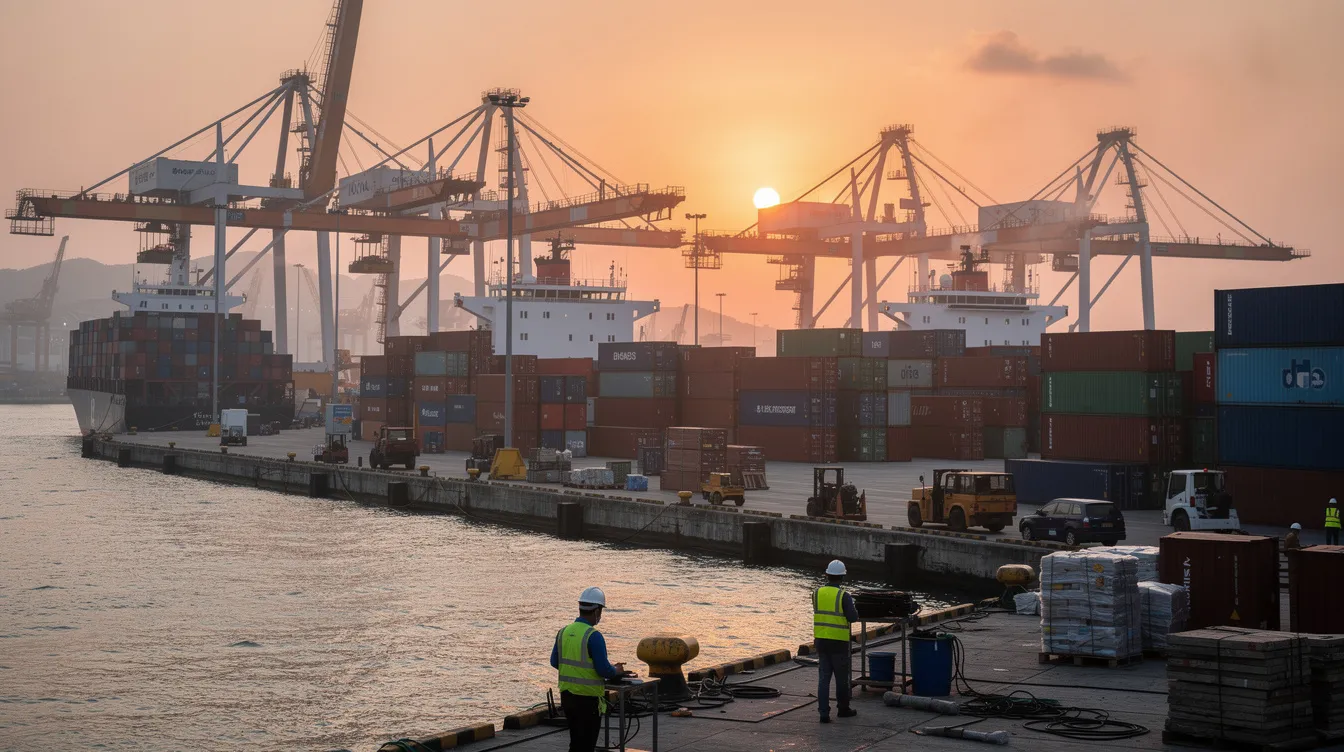
This week, the 15th Singapore-Australia Joint Ministerial Committee (SAJMC) convened in Adelaide, South Australia, marking a significant step in the bilateral relationship between the two nations. The SAJMC, which meets biennially, brought together senior ministers from both governments, including those responsible for foreign affairs, defense, and trade.
The central focus of this meeting was the signing of a new Protocol on Economic Resilience and Essential Supplies. This protocol reflects a shift in how both countries perceive national security, moving beyond traditional defense concerns to include the security of essential goods necessary for maintaining public services and standards of living. Officials noted that the protocol aims to ensure continued cooperation on essential goods during periods of global disruption.
Energy security was highlighted as a key area of cooperation, with over half of Australia’s petroleum imports being refined in Singapore, while approximately one-third of Singapore’s liquefied natural gas (LNG) consumption is sourced from Australia. The protocol also established the Australia-Singapore Economic Resilience Dialogue, which will serve as a dedicated platform for addressing shared challenges and enhancing practical cooperation.
“The protocol aims to ensure that cooperation on essential goods continues to flow between the two countries during periods of global disruption.”Diplomatic sources
The necessity for such measures has become increasingly apparent in the wake of global events such as the COVID-19 pandemic, which revealed vulnerabilities in supply chains when governments restricted the export of critical goods. Additionally, ongoing geopolitical tensions, including the current conflict in the Middle East, underscore the importance of stable energy flows and the potential for increased global instability.
Despite these challenges, both countries reaffirmed their commitment to open, rules-based trade, emphasizing the importance of the World Trade Organization (WTO) as the primary mechanism for resolving trade disputes. The aim of the new protocol is not to disengage from the global trading system but to create a reliable framework for cooperation among trusted partners during times of crisis.
In tandem with the economic resilience protocol, the SAJMC also saw the signing of the Industrial Base Resiliency Arrangement (IBRA). This arrangement seeks to bolster resilience in defense supply chains and enhance defense industrial cooperation between Australia and Singapore. It will facilitate cross-sustainment of defense platforms, streamline equipment transfers, and foster partnerships in the defense industry, thereby mitigating supply chain risks.
“This focus on economic resilience reflects the current era, where major disruptions are now expected rather than seen as isolated events.”Analysts
The close defense relationship between the two nations is further solidified by Singapore's training presence in Australia, which compensates for its limited training space at home. Singapore maintains permanent training facilities at two Royal Australian Air Force bases, allowing for comprehensive military training and cooperation.
Moreover, the joint communiqué from the SAJMC emphasized the importance of unimpeded transit in international waterways, particularly in the South China Sea, a region critical to both countries. The communiqué expressed serious concerns regarding actions that could escalate tensions or threaten stability in this vital area.
As Australia and Singapore navigate a more unpredictable global landscape, the establishment of formal processes through the SAJMC aims to enhance predictability and responsiveness in times of crisis. This proactive approach reflects a broader strategy among middle powers in the Indo-Pacific region to strengthen their capabilities and foster coordinated responses to emerging challenges.