Vietnam
UOB Raises Vietnam's Economic Growth Forecast to 8.5% Amid Strong Performance
Vietnam's economy is projected to grow by 8.5% this year, driven by robust manufacturing and significant foreign investment, according to UOB.
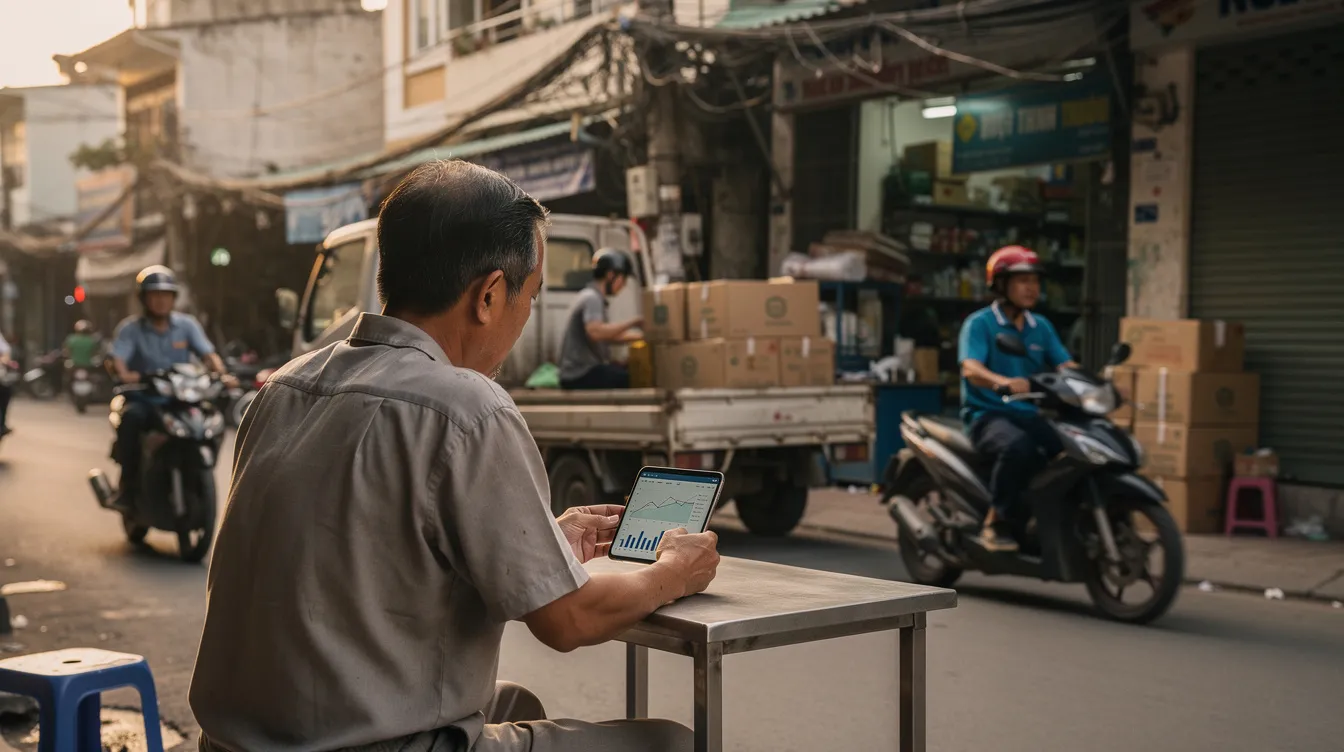
United Overseas Bank (UOB) has raised its economic growth forecast for Vietnam to 8.5% for 2023, following a robust growth of 8.18% in the first half of the year, the highest rate in Southeast Asia. This revision reflects broad-based growth across the industrial, construction, services, and agricultural sectors, with manufacturing remaining a key driver, supported by surging global demand, particularly in artificial intelligence (AI), according to UOB's report.
Foreign direct investment (FDI) into Vietnam reached $34.7 billion in the first six months of 2023, marking a significant increase of 61% compared to the previous year. This surge in investment reinforces expectations that 2023 could be a record year for FDI in Vietnam, as noted by UOB. The bank's optimistic outlook aligns with projections from the Asian Development Bank, which also identified Vietnam as the fastest-growing economy in Southeast Asia, forecasting a growth rate of 7.2% for the year.
“Vietnam's economy has shown remarkable resilience so far despite the shock from Middle East tensions.”UOB report
The Vietnamese government has set an ambitious target of at least 10% economic growth for 2023, with plans for an even more aggressive scenario requiring 11.9% growth in the second half of the year. This determination reflects the government's commitment to maintaining strong economic momentum despite external challenges, including geopolitical tensions in the Middle East.
“The government has outlined a scenario requiring 11.9% growth in the second half of the year.”UOB report
UOB highlighted the resilience of the Vietnamese dong, which has shown exceptional stability amid broader weaknesses in Asian currencies. The bank anticipates that the VND may strengthen against the dollar, projecting rates of 26,500 in the third quarter and 26,400 in the fourth quarter of 2023.
While UOB's report underscores the overall economic growth, Vietnamese media outlets have emphasized the challenges faced by the private sector. According to Thanh Nien, the recent Resolution 68 aims to bolster the role of private enterprises, with projections indicating a 27.4% increase in new businesses by 2025. However, experts express concerns about the sustainability of this growth, particularly for small and medium-sized enterprises (SMEs) that continue to struggle with high compliance costs and limited access to financing.
Economic expert Lê Xuân Nghĩa noted that while large corporations are thriving, the smaller businesses, which are crucial for job creation, are facing significant difficulties. He highlighted that the growth seen in the first half of 2023 is heavily reliant on larger firms, leaving SMEs vulnerable to market fluctuations. This sentiment contrasts with UOB's more optimistic forecast, which does not fully account for the challenges faced by these smaller entities.
Moreover, while UOB projects strong FDI inflows and a resilient economy, Vietnamese analysts warn that the pressure from U.S. tariffs and a potential trade deficit of up to $17 billion could pose risks to Vietnam's growth trajectory. This perspective emphasizes the need for a more balanced approach to economic policy that supports both large and small enterprises.
As Vietnam navigates these economic dynamics, the government must address potential risks, including the impact of U.S. tariffs expected to take effect in late July, which could exert additional pressure on global trade and influence Vietnam's growth trajectory.