Vietnam
Sa Pa: A Tapestry of Terraces and Tradition
Discover the breathtaking rice terraces of Sa Pa, where culture and nature intertwine in Vietnam's mountainous heart.

As the first rays of sunlight spill over the Hoàng Liên Sơn mountain range, the emerald rice terraces of Sa Pa come alive, shimmering like a patchwork quilt stitched by the hands of generations. Nestled at an altitude of 1,650 meters in northern Vietnam, this ethereal town is not just a feast for the eyes but a vivid tableau of cultural diversity, where the Hmong, Dao, and other ethnic minorities weave their stories into the very fabric of the landscape.
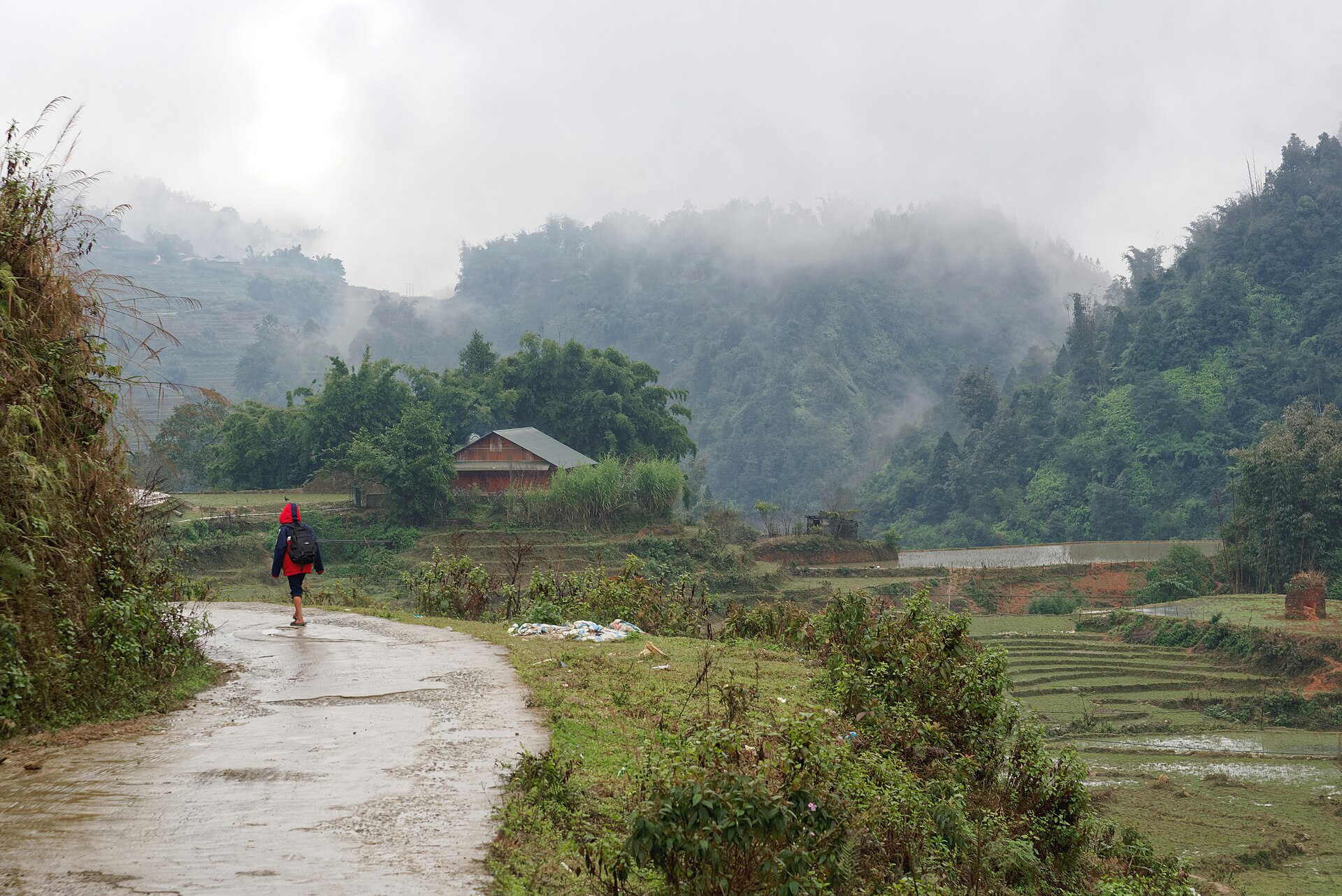
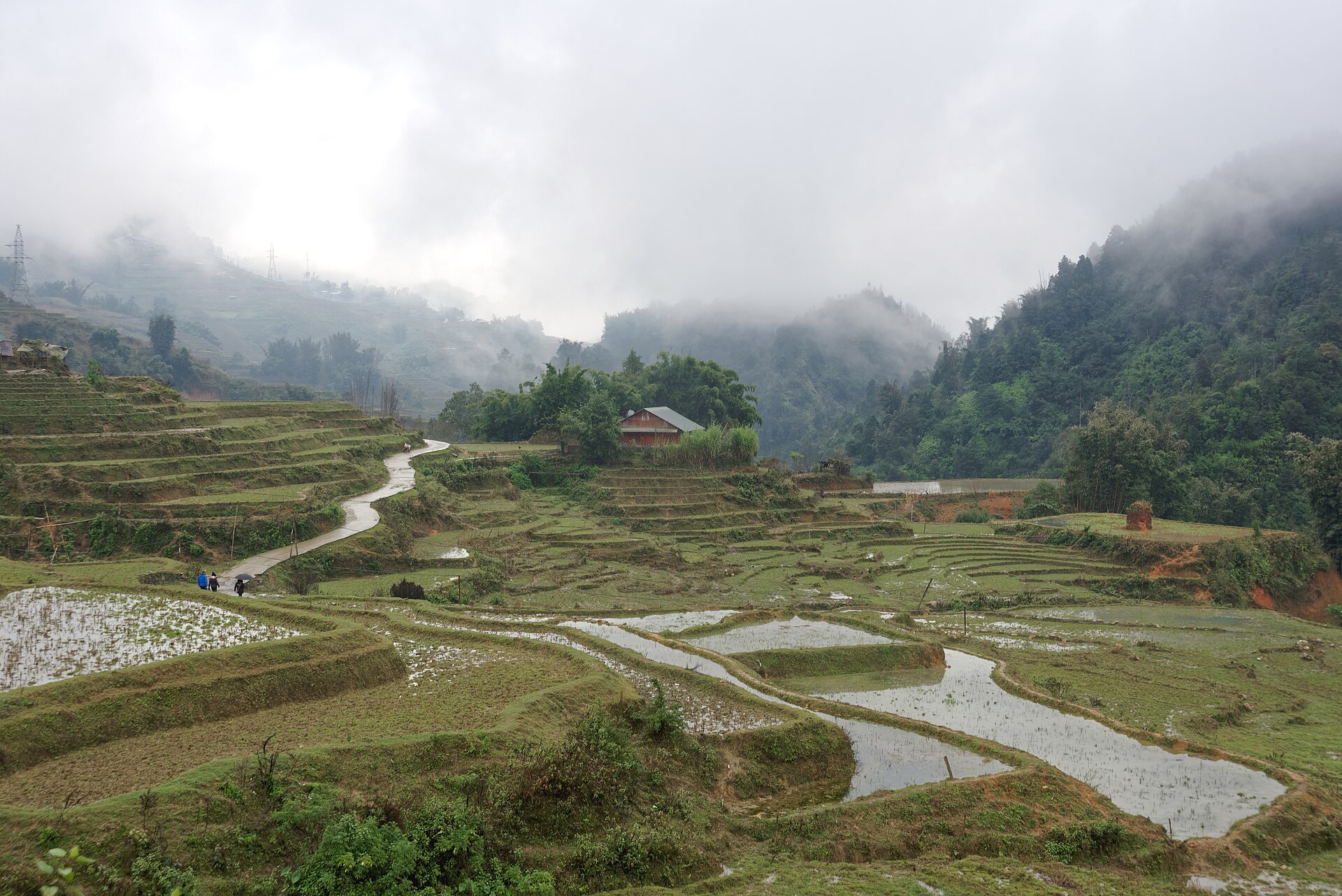
Because of its unique geography, Sa Pa has become a canvas for rice cultivation, with terraces cascading down steep hillsides, creating a breathtaking visual symphony. These terraces are not merely agricultural plots; they are a testament to the ingenuity and resilience of the local communities. Each layer of green represents months of hard work, from the planting of seedlings in spring to the golden harvest in autumn. Visitors are often captivated by the sight of farmers, clad in traditional attire, bending over their fields, diligently tending to their crops.
The Journey to Sa Pa
Reaching Sa Pa requires a commitment to adventure. The most common route involves a scenic nine-hour train ride from Hanoi to Lào Cai, followed by a winding drive through lush valleys. For those seeking a quicker option, sleeper buses offer a comfortable overnight journey. Whichever way you choose, the journey is part of the experience, as the landscape transforms from the bustling streets of Hanoi to the serene, misty mountains of Sa Pa.
Connecting with Culture

Once in Sa Pa, the vibrant local culture beckons. The town is alive with the sounds of vendors hawking handmade crafts and traditional garments, their colorful textiles a reflection of the rich heritage of the Hmong and Dao people. Engaging with the locals can lead to unforgettable experiences; striking up a conversation with an elder woman selling embroidered bags may reveal stories of her ancestors and the significance of their crafts.
However, it’s essential to approach these interactions with respect. Because many of the local women rely on tourism for their livelihoods, it’s better to buy directly from them rather than from mainstream shops that profit from their culture without giving back. Opting for homestays in ethnic villages allows travelers to immerse themselves in the daily lives of these communities, sharing meals and stories around a fire.
Timing Your Visit
When to visit Sa Pa can greatly influence your experience. The summer months of May and June bring lush green terraces, but the weather can be hot and humid. Alternatively, autumn (September to November) showcases the terraces in their golden glory, ripe for harvest, while winter (December to February) can be cold and foggy, often shrouding the landscape in a mystical veil. Those who brave the winter chill may even witness rare snowfall, transforming the region into a winter wonderland.
Challenges and Changes
Despite its allure, Sa Pa faces challenges. Rapid tourism development has led to environmental degradation and cultural appropriation, as large hotels and commercial enterprises encroach upon the traditional lifestyle of the ethnic minorities. Because of this, it is crucial for visitors to be mindful of their impact and to support local initiatives that prioritize sustainability and cultural preservation.
In the heart of Sa Pa, the rice terraces stand as a symbol of resilience, beauty, and the enduring spirit of its people. As you wander through this breathtaking landscape, take a moment to appreciate not just the views, but the stories that unfold in every step, every conversation, and every grain of rice harvested from these storied fields.