Vietnam
Phú Quốc: Vietnam's Tropical Jewel on the Rise
Explore the enchanting landscapes and rich history of Phú Quốc, a rapidly evolving island paradise in Vietnam's Gulf of Thailand.
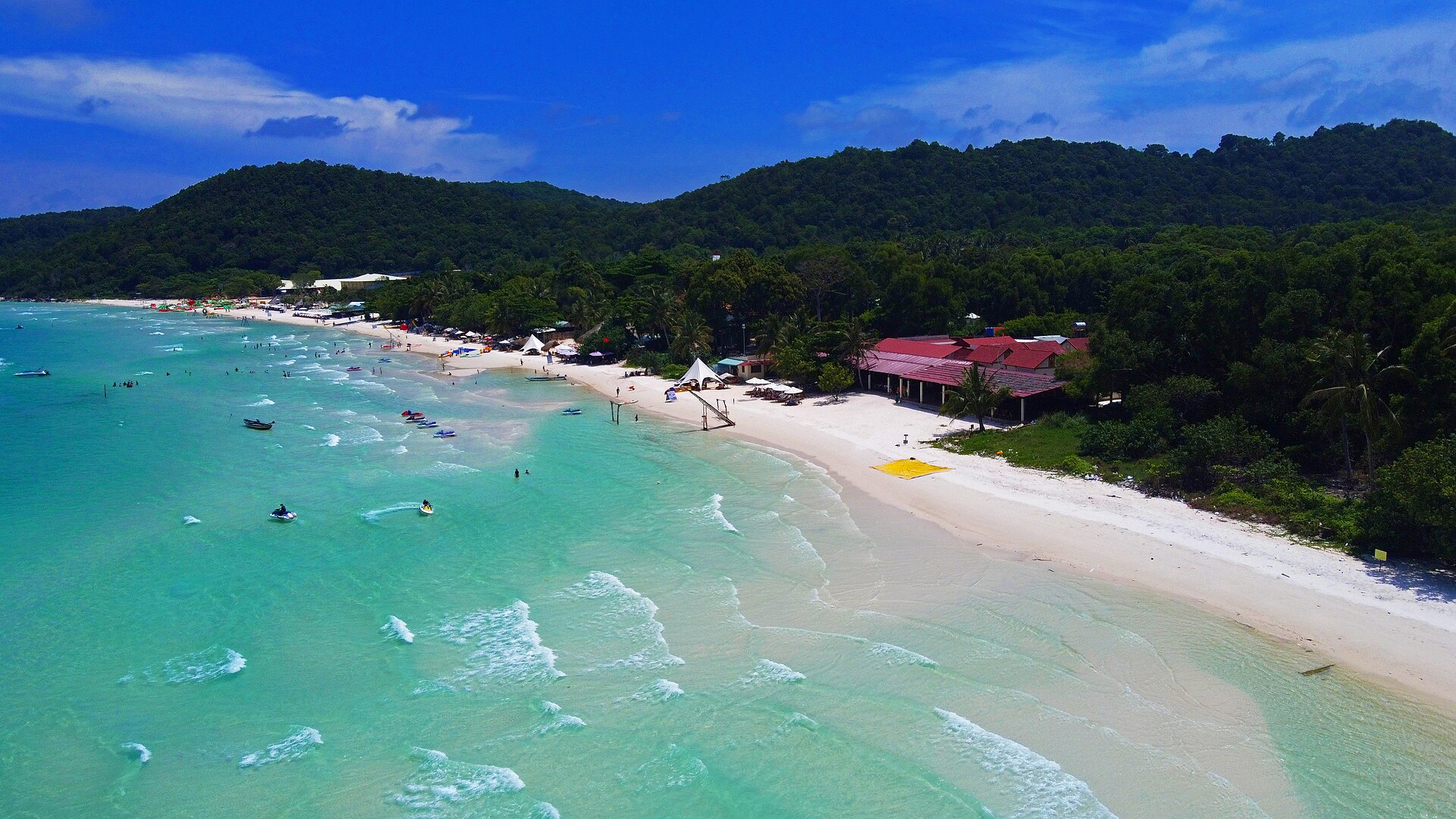
As the sun dips below the horizon, casting a golden hue over the turquoise waters of Phú Quốc, the island’s charm becomes undeniable. This tropical paradise, nestled in the Gulf of Thailand, is not just about stunning beaches and fresh seafood; it is a tapestry woven from rich history, cultural resilience, and a rapidly evolving landscape.
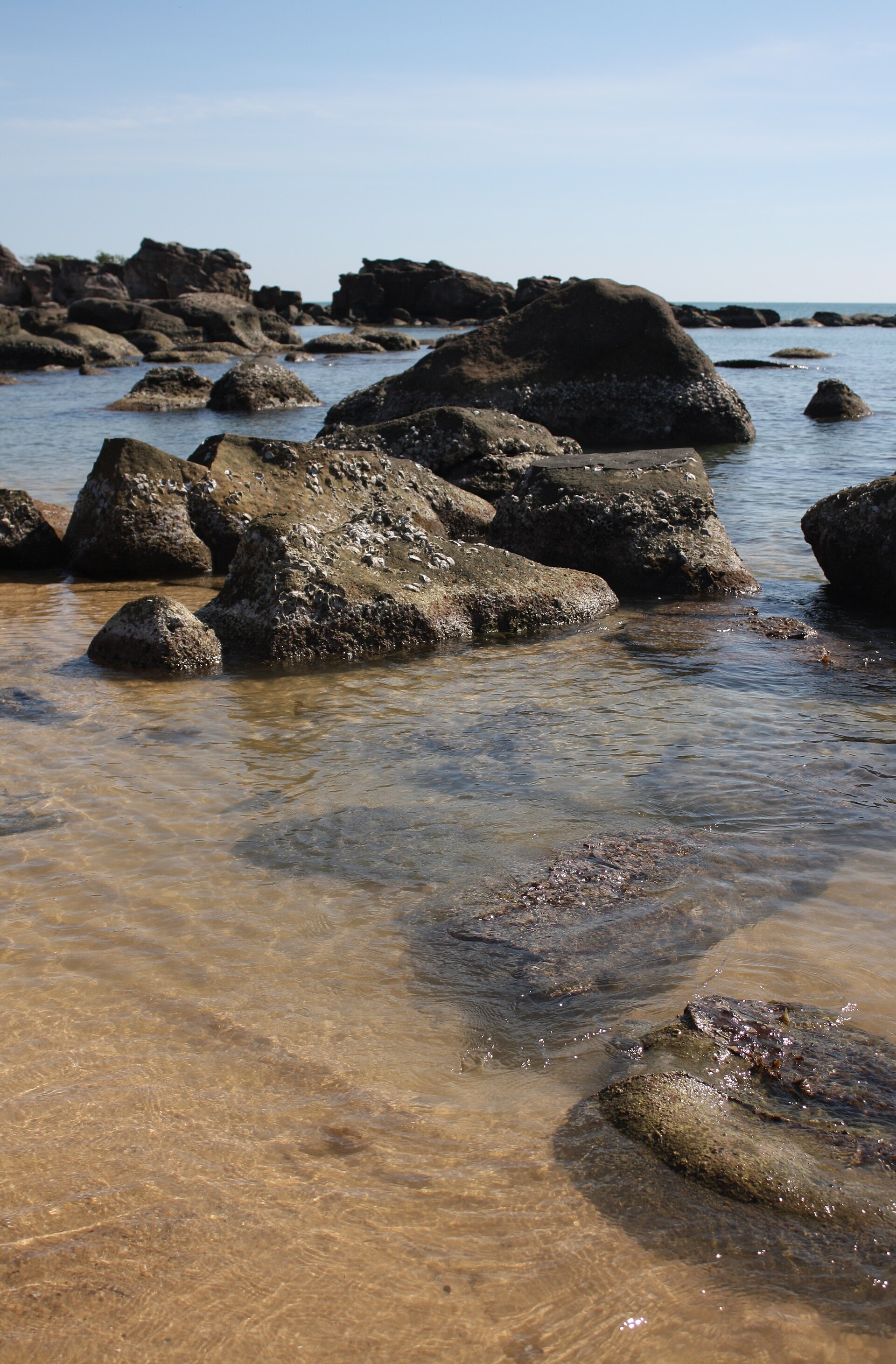
Phú Quốc, pronounced fú-kwóg, is Vietnam's largest island, stretching 48 kilometers from north to south. Once a refuge for Vietnamese royalty and a prison during the Vietnam War, the island now serves as a canvas for ambitious development projects. The contrast between its natural beauty and the encroachment of high-rise resorts is palpable; some locals refer to it as “the world’s first rubbish dump on which tourism is run,” a stark reminder of the environmental challenges that accompany rapid growth.
Beaches and Bounty
The island is renowned for its pristine beaches, particularly Long Beach, where soft white sands meet gentle waves. Here, visitors can bask in the sun or indulge in water sports, from snorkeling to jet skiing. The seafood is exceptional, with local specialties such as gỏi cá trích (herring salad) and the island’s famous fish sauce, nước mắm, which is considered the best in the world. Because of its unique production methods, Phú Quốc's fish sauce has garnered a reputation that attracts culinary enthusiasts from around the globe.
For a taste of local life, the bustling Dương Đông market offers a sensory overload. The vibrant stalls brim with fresh produce, spices, and handmade crafts, while the air is filled with the tantalizing aroma of street food. Here, one can witness the island’s cultural melting pot, where Vietnamese, Khmer, and Chinese influences converge.
A Journey Through History
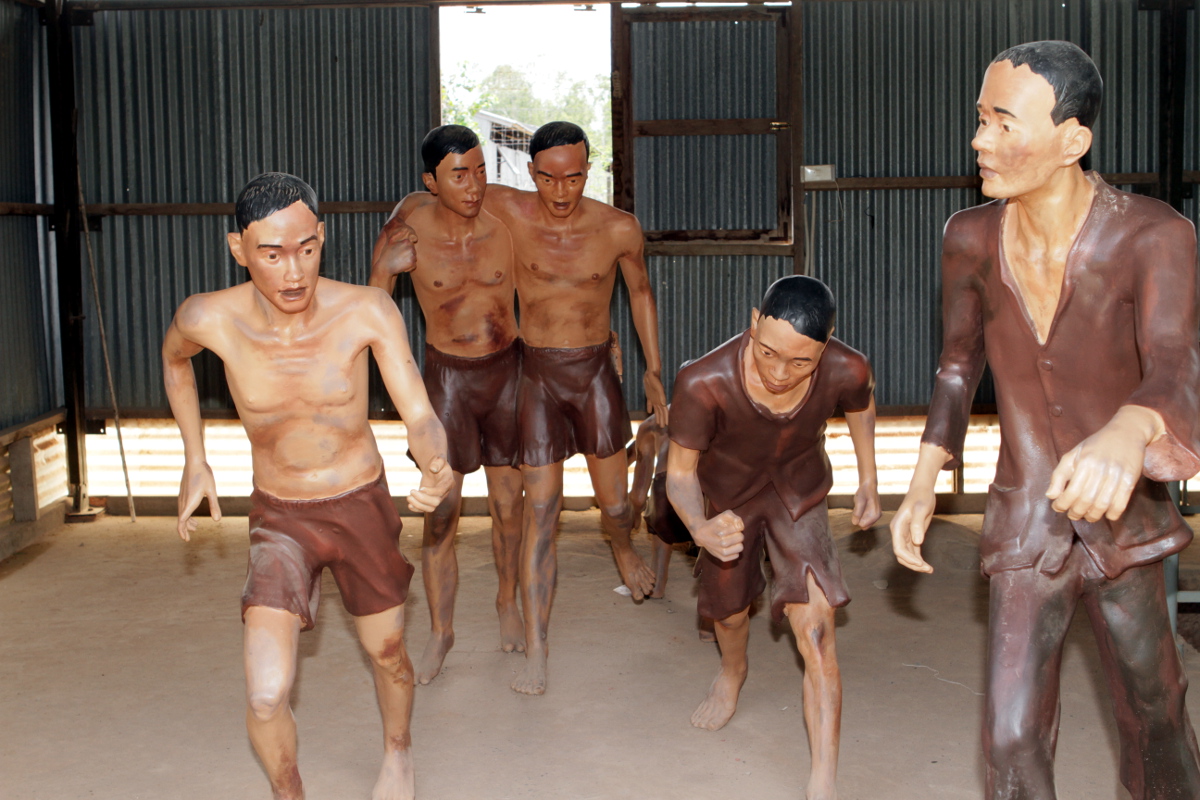
Phú Quốc is steeped in history, with remnants of its past scattered across the island. The Phú Quốc Prison, a grim reminder of the Vietnam War, stands as a testament to the island's tumultuous history. Visitors can explore the site, gaining insight into the struggles faced by those who were imprisoned there. The narrative of resilience resonates deeply with the islanders, who have adapted and thrived despite the challenges posed by both nature and history.
Because of its strategic location, Phú Quốc has long been a point of contention between Vietnam and Cambodia. The island’s history reflects the broader geopolitical shifts in Southeast Asia, and today, it stands as a symbol of national pride for Vietnam.
Getting There and Around
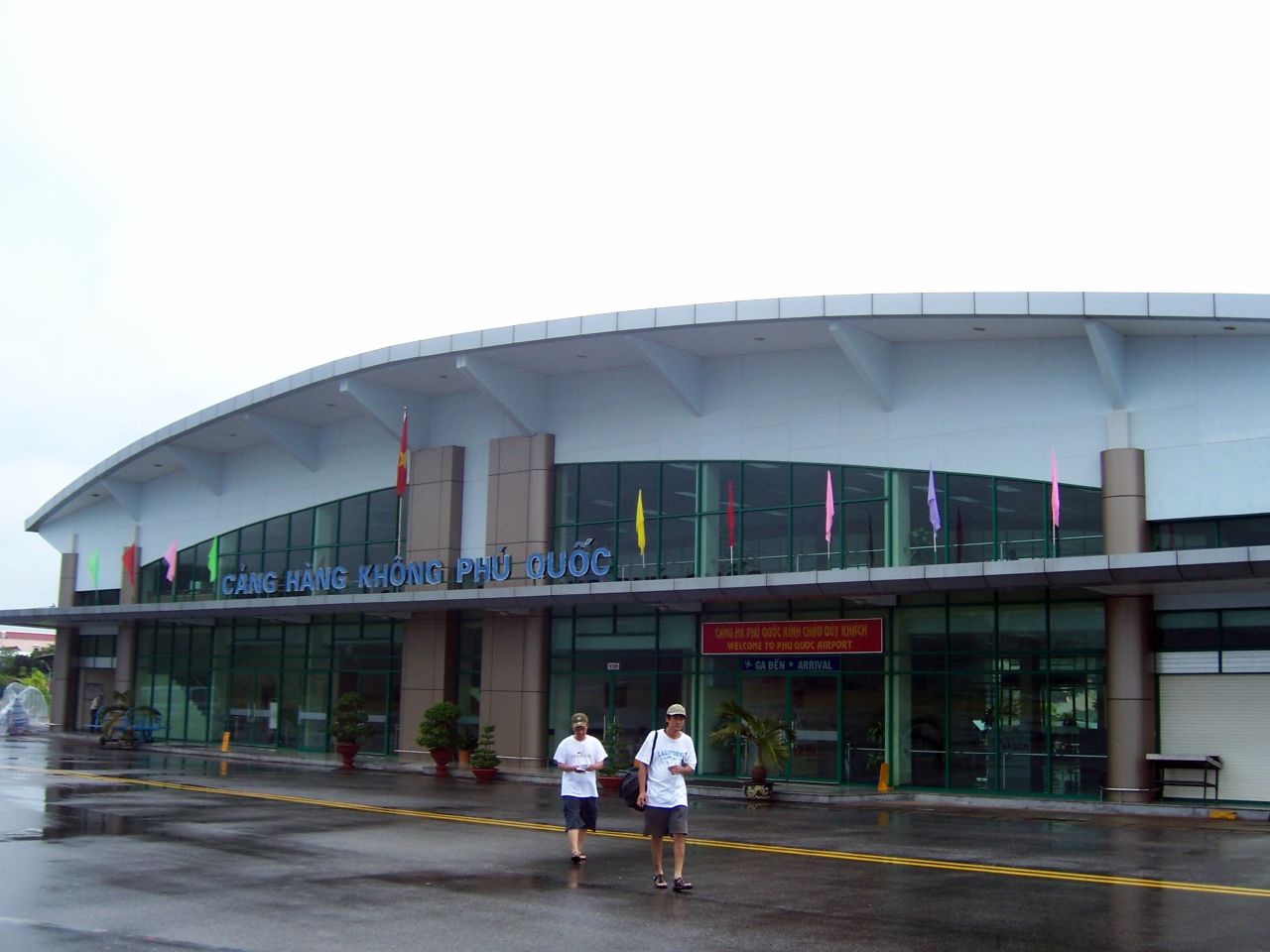
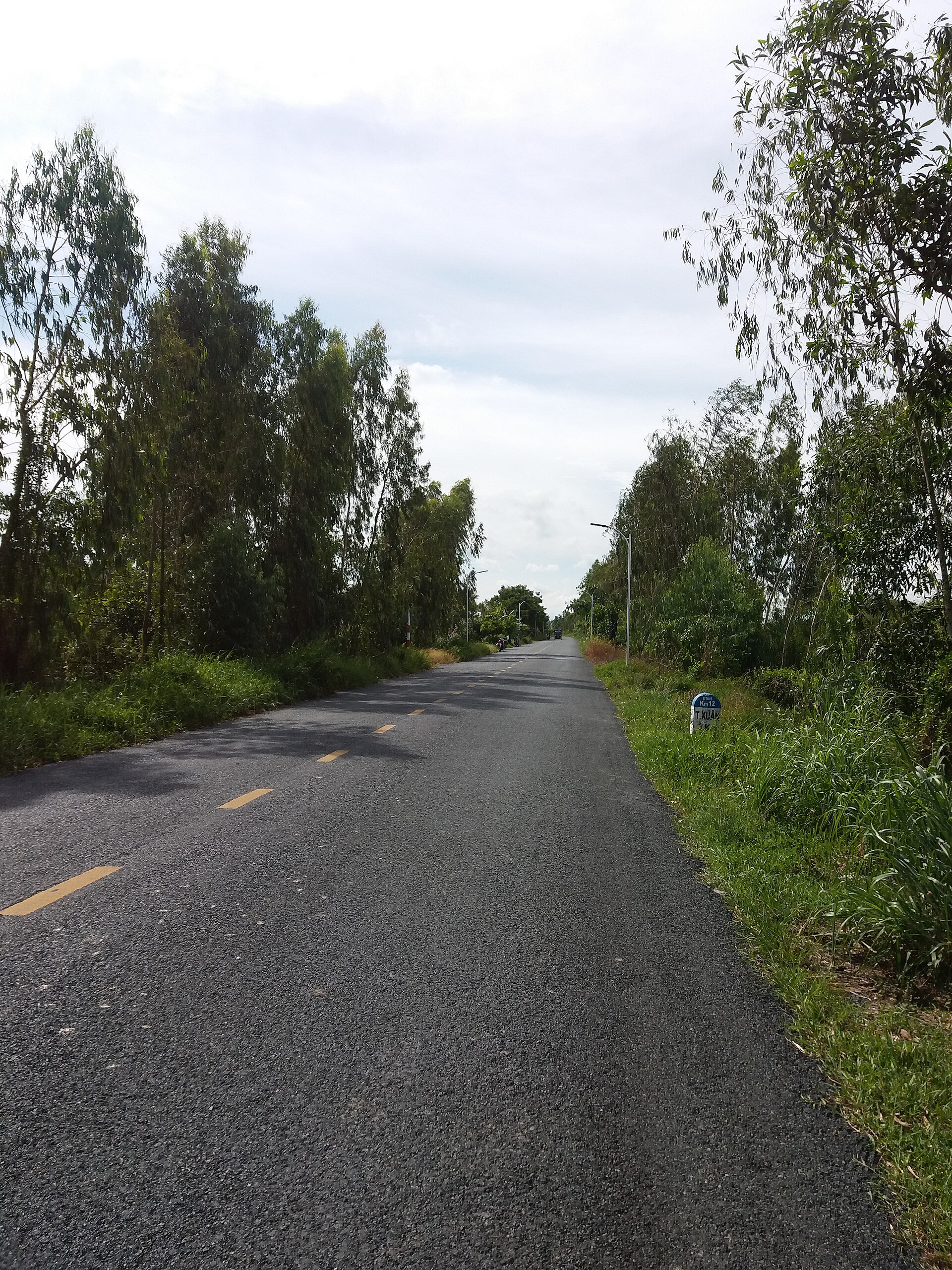
Reaching Phú Quốc is relatively straightforward. The island is served by Phú Quốc International Airport, with flights from major cities in Vietnam. For those preferring a nautical adventure, ferries from the mainland offer a scenic route to the island. Once on the island, transportation options include motorbike rentals and free electric buses that connect key areas, making it easy to explore.
However, travelers should be mindful of the ongoing development. While the infrastructure is improving, the influx of tourists has led to overcrowding in some areas, particularly during peak season from November to March. Therefore, planning ahead is essential to ensure a smooth experience.
As Phú Quốc continues to evolve, it remains a place of breathtaking beauty and cultural significance. The island's journey from a serene getaway to a bustling tourist hub is a reflection of Vietnam's own transformation. Visitors to Phú Quốc will find not only a destination but a story of resilience, adaptation, and the enduring spirit of its people.