Vietnam
Phở: A Culinary Journey Through Vietnam's Iconic Noodle Soup
Explore the rich history and cultural significance of phở, Vietnam's beloved noodle soup, and discover how it has become a global sensation.
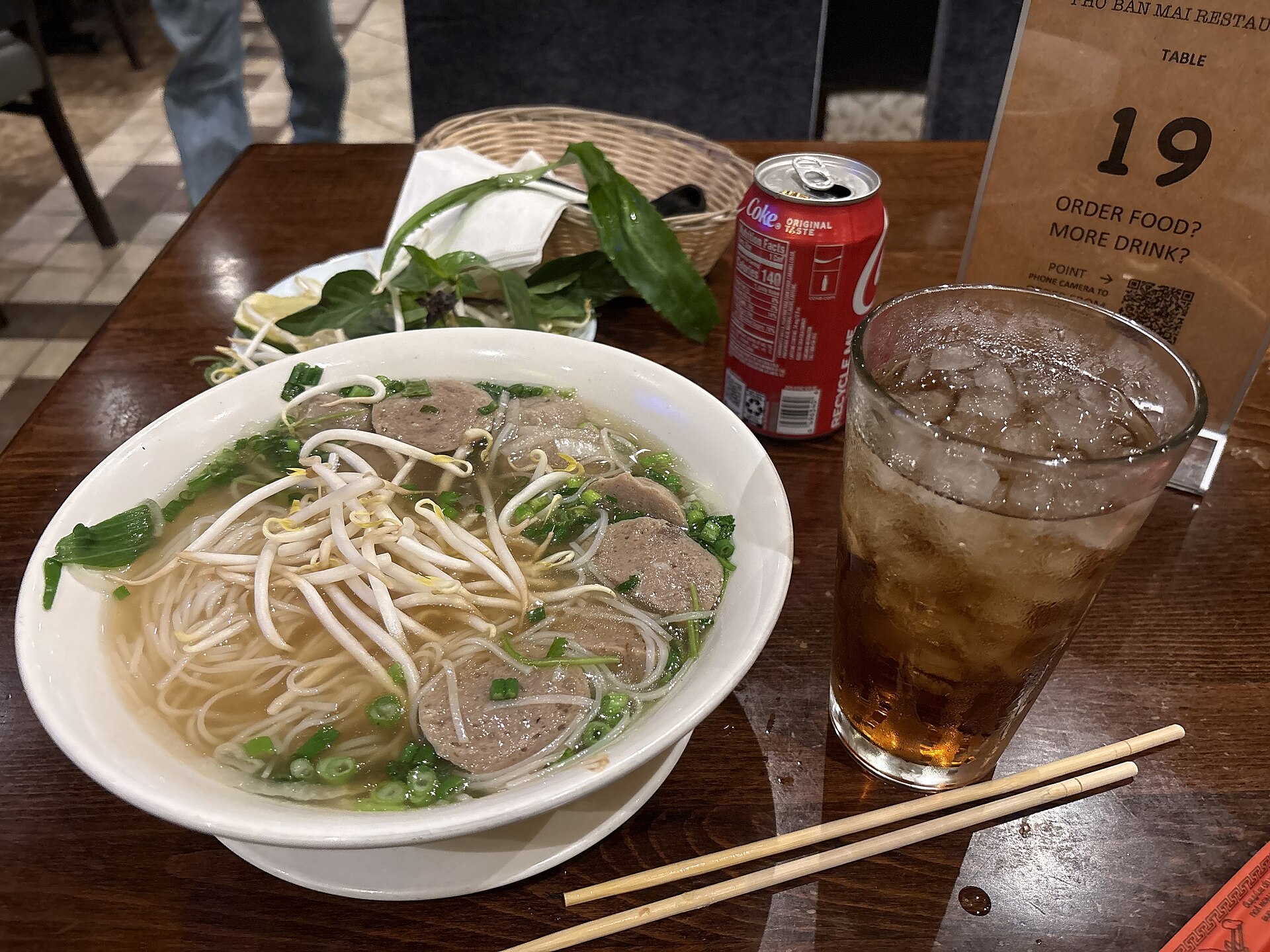
In the bustling streets of Hanoi, the aroma of simmering broth wafts through the air, drawing locals and tourists alike to small street-side stalls. Here, the art of making phở is not just about cooking; it’s a ritual that connects generations. Because phở is more than a meal; it’s a symbol of Vietnam’s culinary identity, steeped in history and resilience.
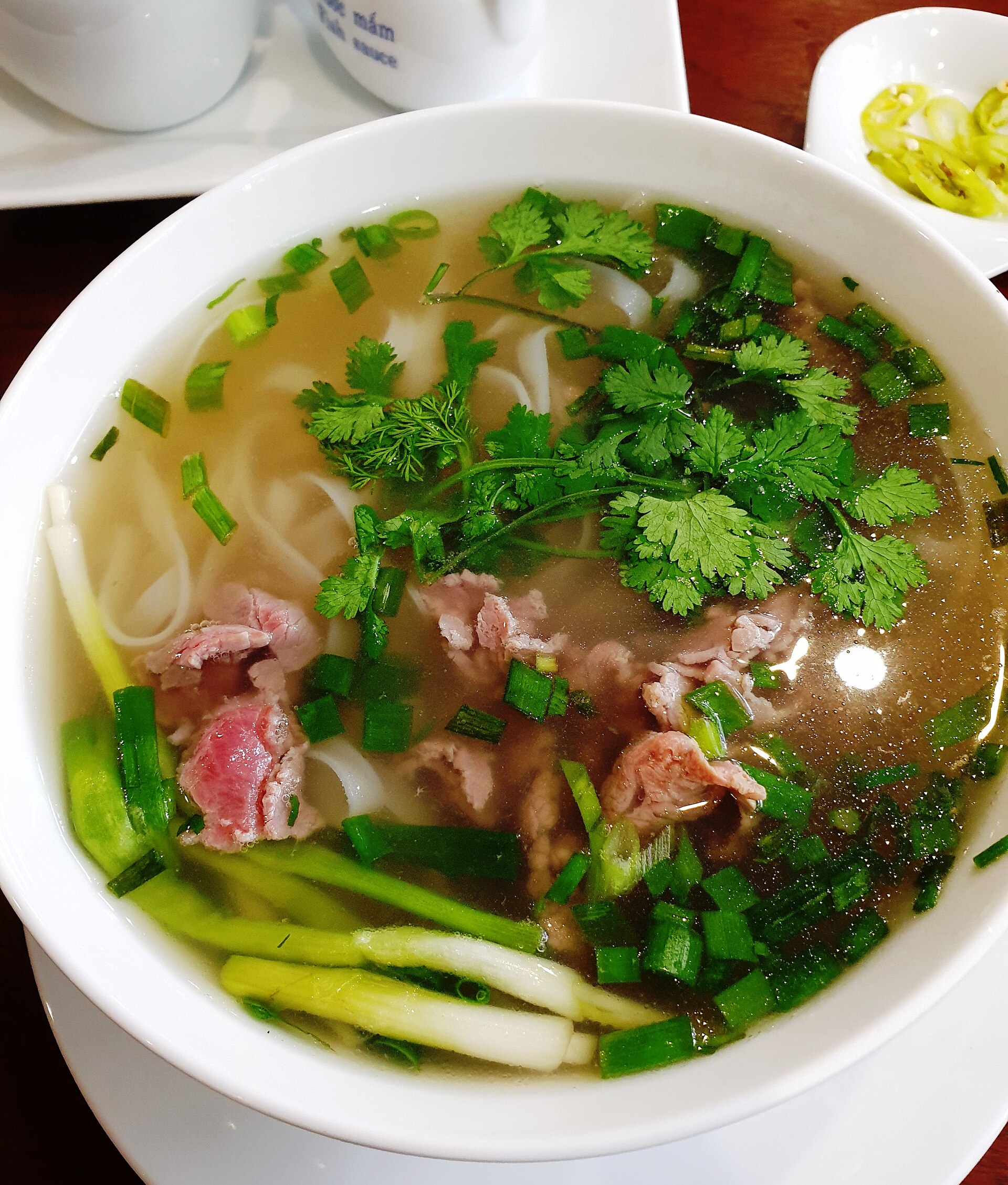
Originating in the early 20th century in Northern Vietnam, phở emerged from a blend of French and Chinese culinary influences, evolving into the dish we know today. The first written records of phở appeared during a time when beef was becoming more accessible, thanks to the French colonial demand. Because of this, the traditional use of water buffalo meat shifted, allowing for the creation of a flavorful broth that would become the heart of phở.
The Duality of Phở
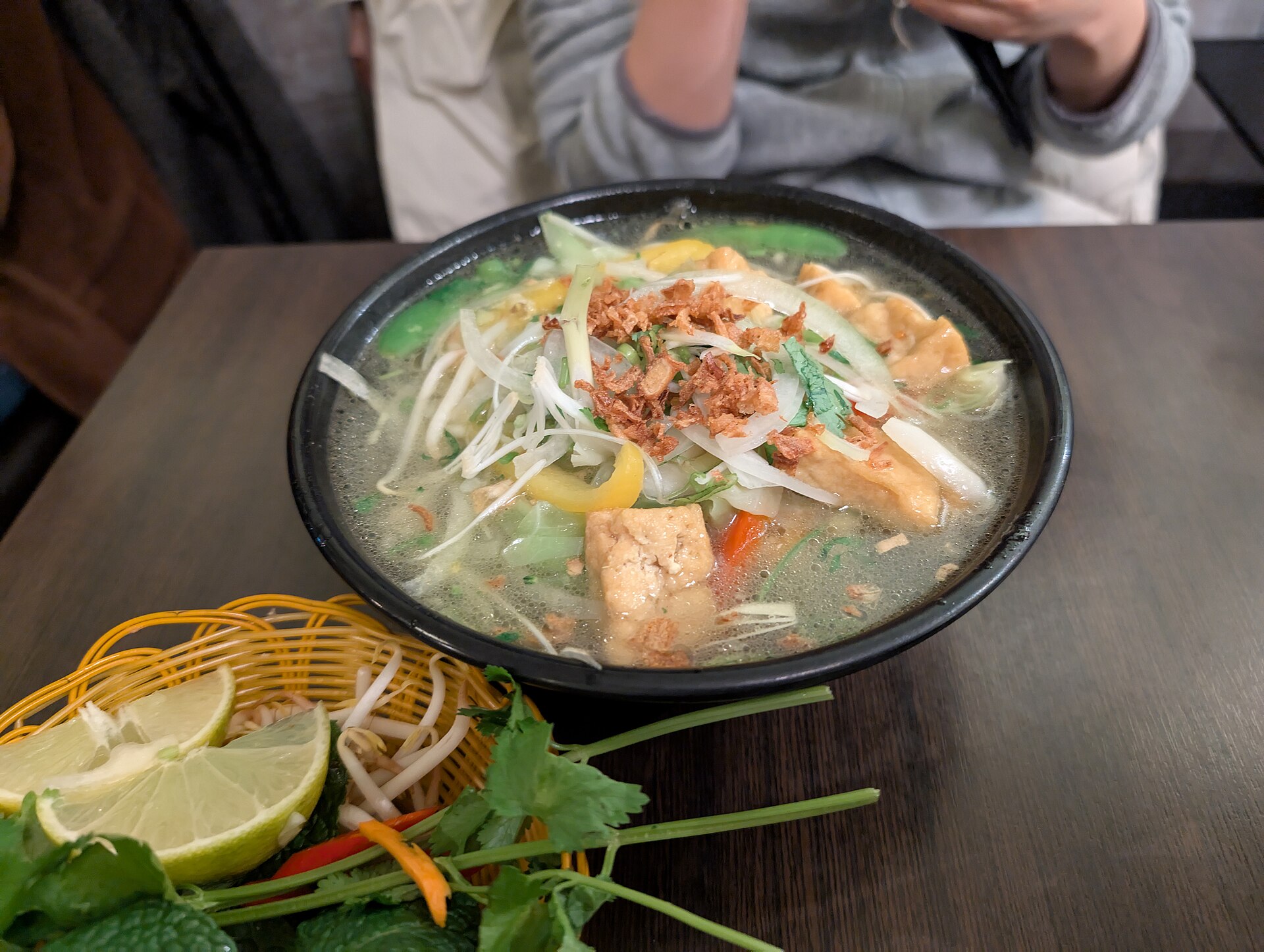
As you travel from the north to the south of Vietnam, you’ll discover two distinct styles of phở: the Hanoi version, characterized by its clear, aromatic broth and narrow rice noodles, and the Saigon style, which features a sweeter broth and wider noodles. The toppings vary too, with the southern version often garnished with fresh herbs, lime, and bean sprouts, while the north embraces simplicity. Because of these regional differences, each bowl of phở tells a story of its origin.
A Street Food Tradition
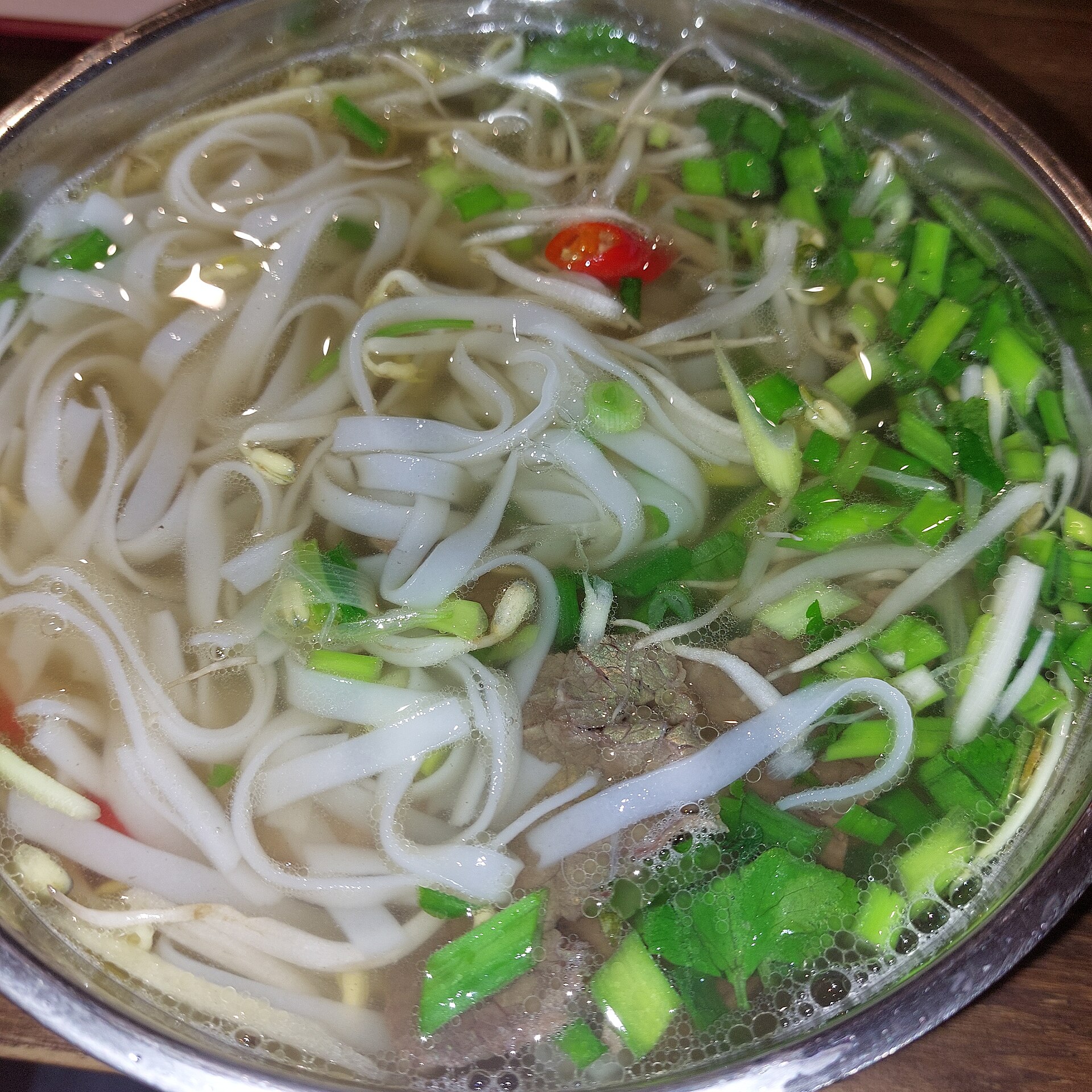
Phở was originally sold by street vendors who carried their mobile kitchens on bamboo poles, known as gánh phở. These vendors would set up shop at dawn and dusk, serving bowls of steaming soup to early risers and night owls alike. Today, while stationary restaurants have taken over, the spirit of these vendors lives on. As you sit on a small plastic stool, slurping noodles and sipping broth, you become part of a vibrant tradition that has persisted through time.
Globalization and Evolution
After the Vietnam War, phở traveled across oceans with Vietnamese refugees, finding its way into the hearts and stomachs of people worldwide. From Little Saigon in California to bustling streets in Paris, phở has become a culinary ambassador, introducing the world to the flavors of Vietnam. Because of its adaptability, phở has also evolved, with modern variations like phở cuốn, where the ingredients are wrapped in rice paper, gaining popularity.
As you savor a bowl of phở, whether in a bustling Hanoi street or a cozy restaurant in a foreign city, you’re not just tasting a dish; you’re experiencing a piece of Vietnam’s history. The resilience of its people is reflected in every slurp, every herb, and every drop of broth. Phở is a reminder that food is not merely sustenance; it’s a narrative, a connection to culture, and a testament to the enduring spirit of a nation.