Vietnam
Hue: The Resilient Heart of Vietnam's Imperial Legacy
Discover the historical depth and vibrant culture of Hue, the former imperial capital of Vietnam, where every corner tells a story of resilience.
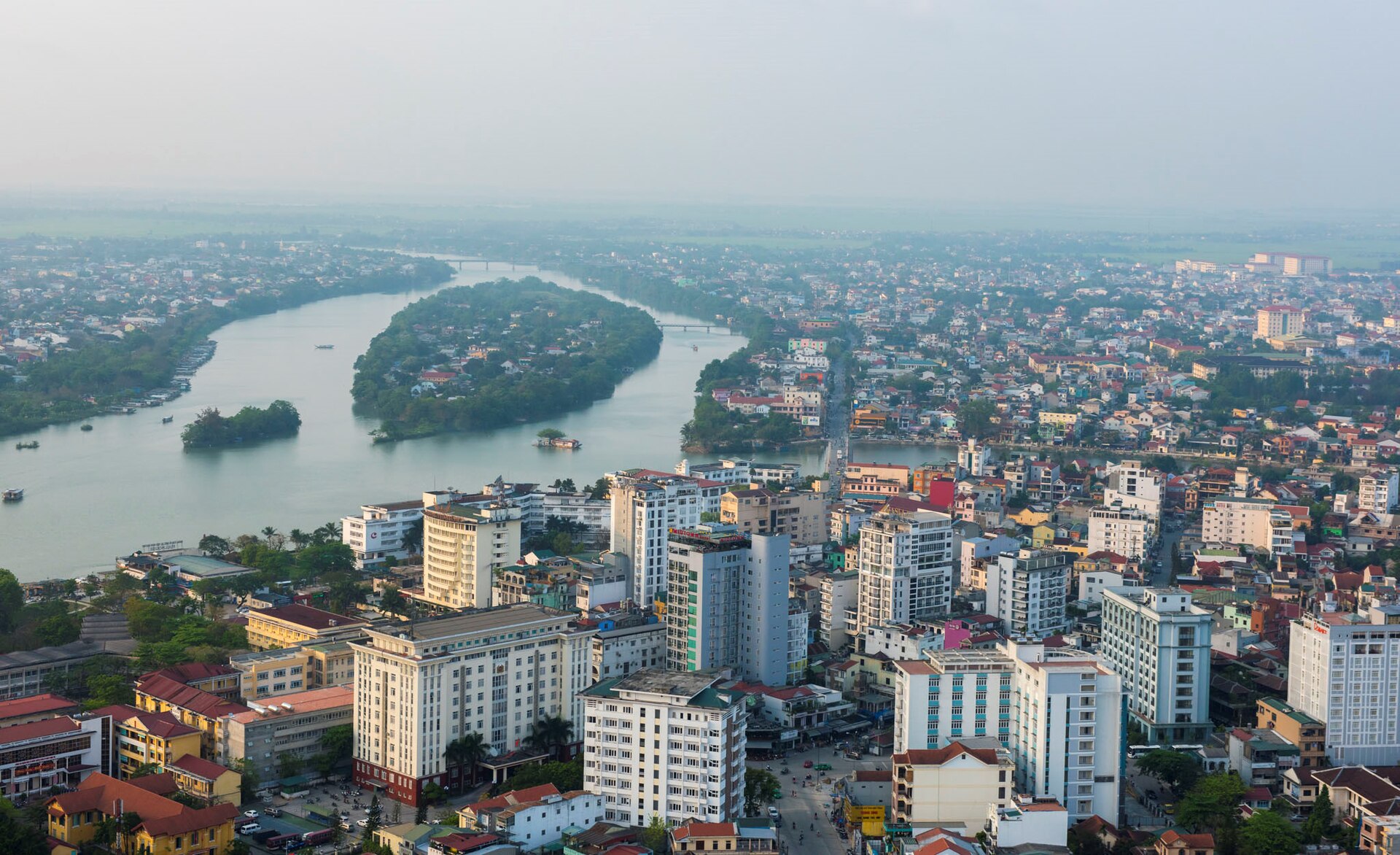
As the mist rises from the Perfume River, the ancient citadel of Hue emerges like a ghost from the past, its stone walls whispering tales of emperors and revolutions. This city, once the heart of the Nguyễn Dynasty, is a living tapestry of Vietnam's rich history and cultural resilience. Because of its strategic location in central Vietnam, Hue has long been a crossroads of trade, culture, and conflict, making it a must-visit destination for anyone seeking to understand the soul of this remarkable country.
The Imperial Citadel: A Journey Back in Time
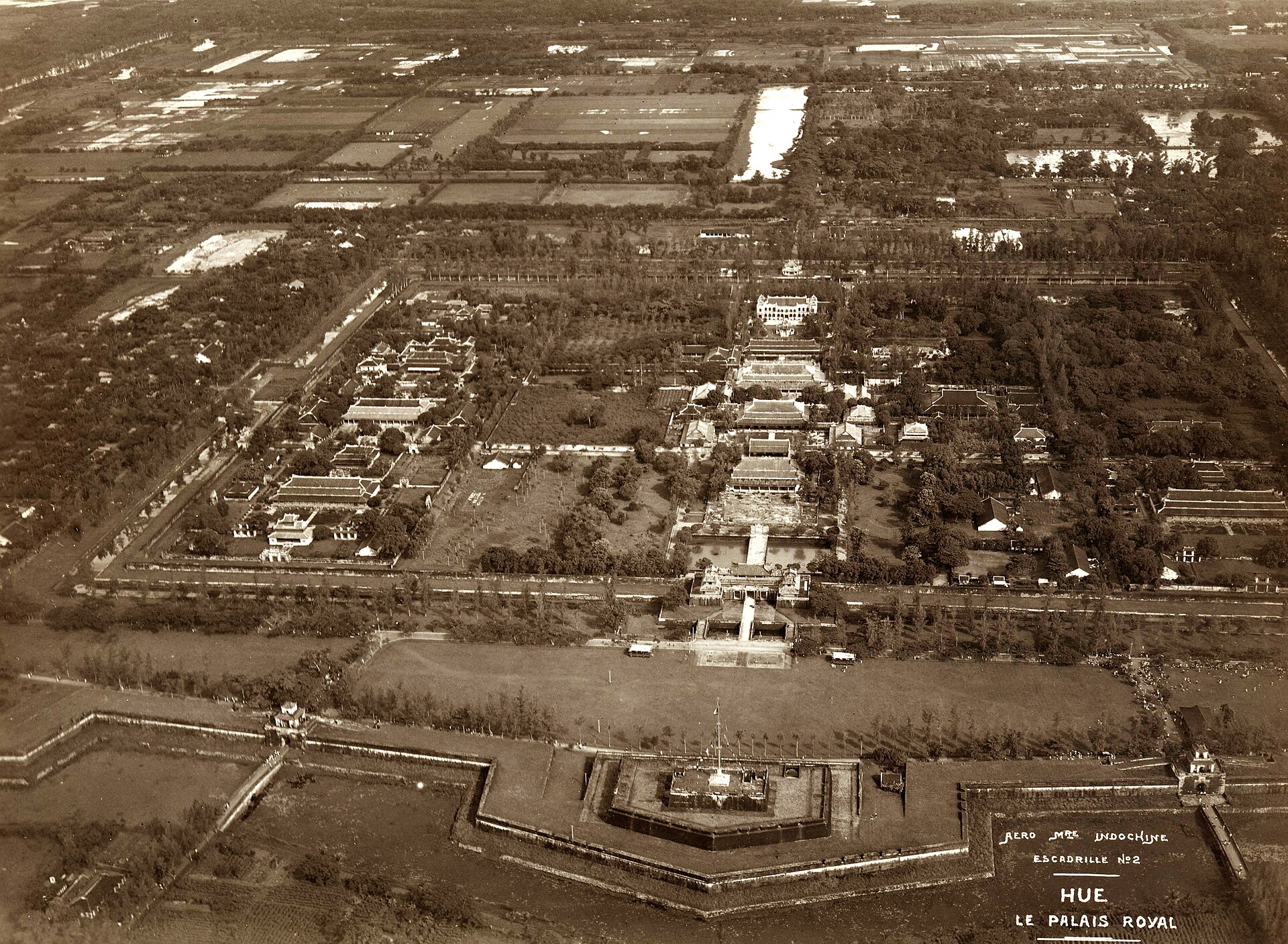
Entering the Imperial City of Hue is akin to stepping into a time machine. The massive stone gates, adorned with intricate carvings, lead visitors into a world where emperors once roamed. The citadel, a UNESCO World Heritage site, is surrounded by a deep moat and showcases the grandeur of Vietnamese architecture. Inside, the Forbidden Purple City beckons, its remnants echoing the opulence of the Nguyễn court. Here, you can almost hear the laughter of royal banquets and the distant sounds of traditional music that once filled the air.
Royal Tombs and Tranquil Temples
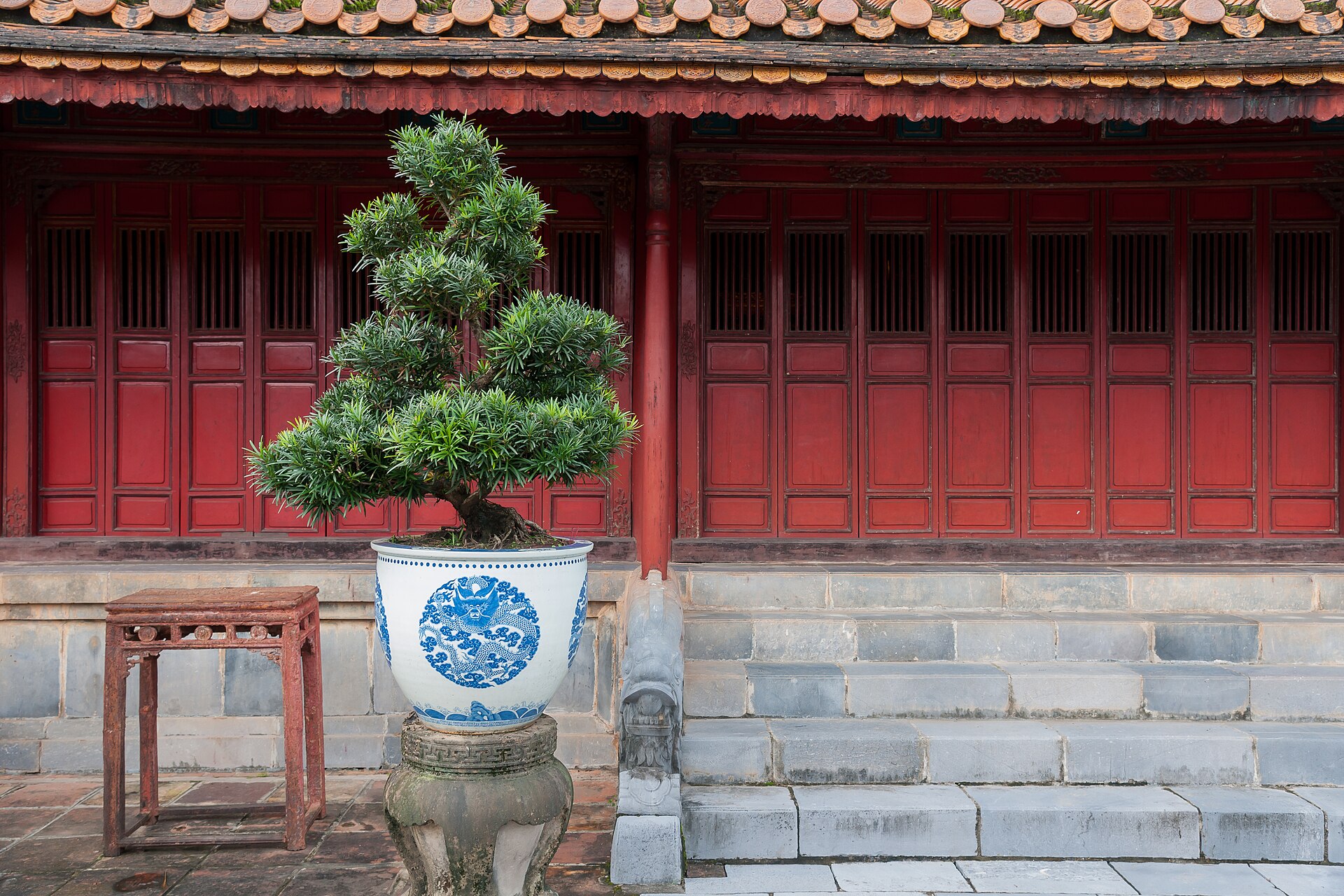
Beyond the citadel, the tombs of the Nguyễn emperors dot the landscape, each a unique tribute to its occupant. The tomb of Emperor Minh Mang, with its serene lakes and lush gardens, offers a peaceful escape from the bustling city. Because these sites are often less crowded than the citadel, you can wander freely, reflecting on the lives of those who shaped Vietnam's history.
The Thien Mu Pagoda, perched on a hill overlooking the river, is another essential stop. Its seven-story tower, the tallest in Vietnam, is a symbol of Hue and offers stunning views. Many visitors come to pay their respects to the monk Thích Quảng Đức, whose self-immolation in 1963 became a powerful symbol of resistance during the American War.
Cultural Vibrancy and Culinary Delights
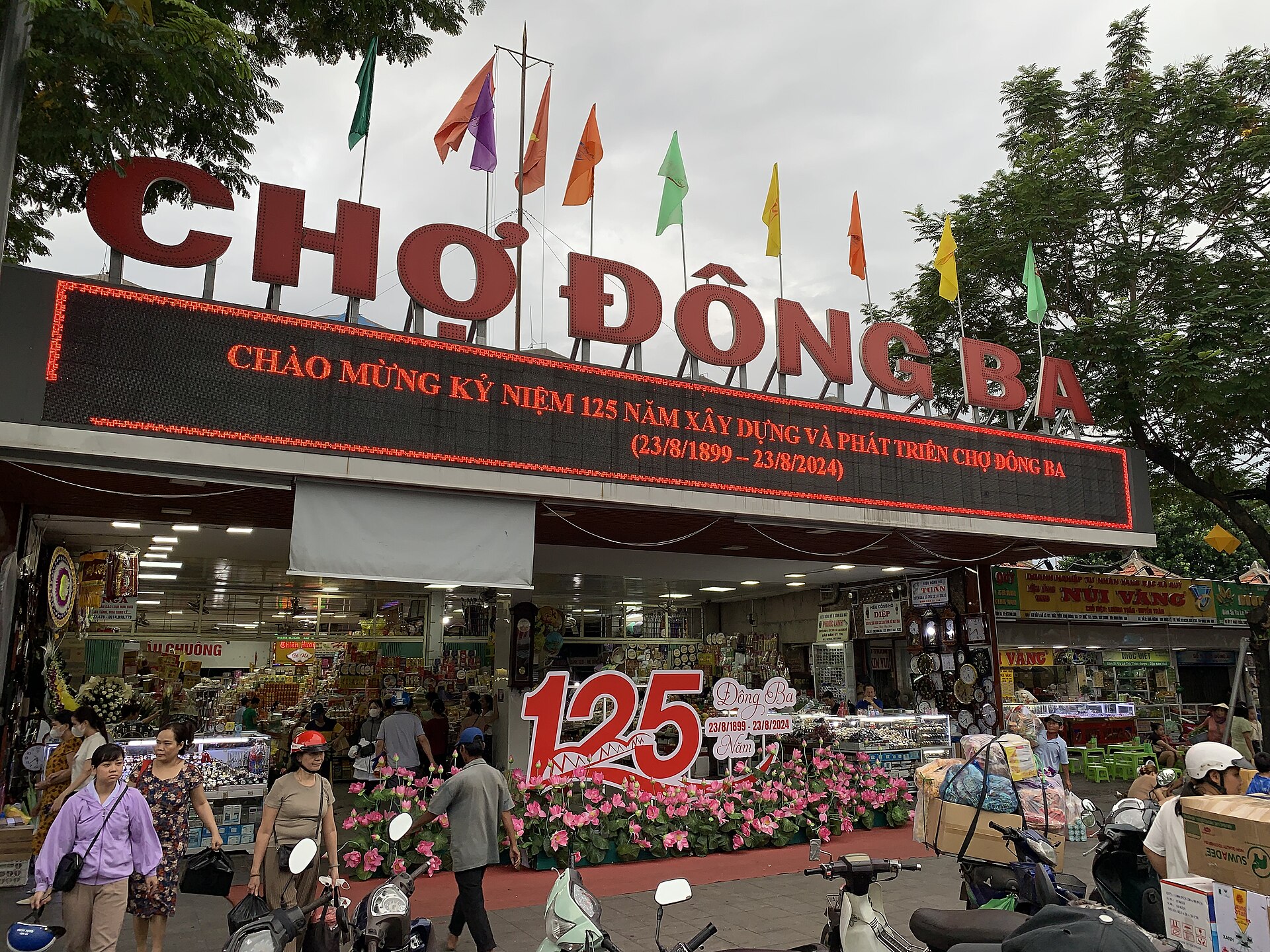
Hue is not just about its historical sites; it is also a city alive with culture. The bustling Dong Ba Market is a sensory overload, where the aroma of fresh herbs mingles with the sounds of haggling vendors. Here, you can sample local specialties like bánh bèo (steamed rice cakes) and bánh khoái (Hue pancakes), each bite a testament to the city's culinary heritage.
Because of its rich traditions, Hue is also home to vibrant festivals, such as the Hue Festival, which celebrates the city’s cultural heritage through music, dance, and art. If you visit in April, you may witness this colorful spectacle that draws performers and visitors from around the world.
Practical Tips for Your Journey
Getting to Hue is straightforward, with Phu Bai International Airport just a short drive from the city center. Alternatively, the scenic train ride from Da Nang offers breathtaking views of the coastline and mountains. Once in Hue, the compact layout makes it easy to explore on foot or by bicycle, allowing you to soak in the atmosphere at your own pace.
However, be prepared for the city's notorious weather. The climate can be quite changeable, with sudden downpours common, especially from February to March. Therefore, carrying an umbrella is advisable, and layers are recommended for the cooler evenings.
Visiting Hue is not just an exploration of Vietnam's past; it is an invitation to witness the enduring spirit of its people. Because of their historical resilience, the citizens of Hue have transformed their city into a vibrant hub of culture and history, making it a destination that resonates long after you leave its ancient walls.