Thailand
Thailand's AI Workforce Initiative: Preparing for a Digital Future
The Thai government partners with Microsoft to enhance workforce skills in AI, addressing the growing demand for digital competencies.
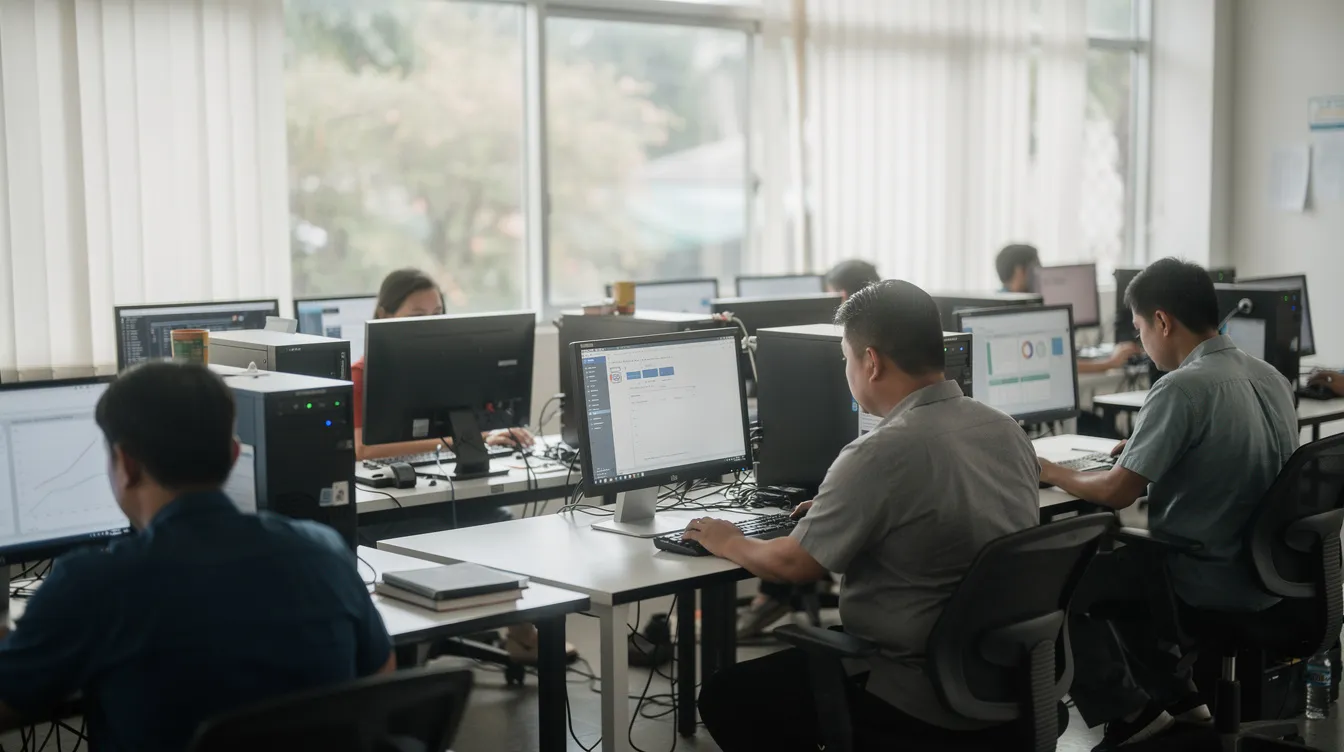
The Thai government is taking significant steps to prepare its workforce for the demands of an increasingly digital economy. In a recent collaboration with Microsoft Thailand, the Ministry of Labor launched the 'AI for Workforce' initiative, which aims to train 150,000 workers in essential skills related to artificial intelligence (AI) and other digital technologies.
During the announcement, Phichet Thongphan, the Director-General of the Department of Employment, emphasized the necessity of enhancing the skills of Thai workers to maintain competitiveness in a rapidly evolving job market. He said upskilling and reskilling are crucial for Thai workers to adapt to technological changes and improve their quality of life. The initiative is part of a broader strategy to integrate modern technologies, including AI, cloud computing, and cybersecurity, into the workforce.
According to a report from the Thailand Development Research Institute (TDRI), the job market for AI-related positions in Thailand has seen rapid growth, increasing from 7,220 job postings in Q2 2567 (Buddhist Era) to 9,470 in Q2 2568, a 31% rise within a year. This growth reflects a shift towards generative AI technologies, particularly large language models, which are creating new opportunities in the field.
However, the demand for skilled workers is not uniform. While high-skill roles such as AI/ML engineers have grown by 278% annually, they still represent only 3% of total AI jobs. Conversely, positions requiring lower skills, such as data annotation, have surged by 586%, although these roles often come with lower pay and limited advancement opportunities. Notably, 76% of job postings in this category are from foreign companies, indicating a significant reliance on international firms for AI-related work.
“Phichet Thongphan said upskilling and reskilling are crucial for Thai workers to adapt to technological changes and improve their quality of life.”Phichet Thongphan, Director-General of the Department of Employment
Employers are increasingly looking for candidates with strong communication skills and English proficiency, with over three in four job listings highlighting these attributes as essential. This trend underscores the importance of not just technical skills but also the ability to effectively communicate in a globalized job market.
To facilitate this skills development, the 'AI for Workforce' program will offer free training sessions across Thailand, targeting individuals aged 18 and above. The curriculum will cover practical applications of AI, including using Microsoft tools for content creation and video production. Participants will receive certification from both the Department of Skill Development and Microsoft Thailand, enhancing their employability in a competitive landscape.
This initiative aligns with the government's goal of preparing over 10 million Thai workers for the digital economy by 2570 (2027 CE), as outlined by the National Science, Technology, and Innovation Policy Office.