Thailand
Songkran: The Water Festival That Cleanses and Celebrates
Experience the vibrant chaos of Thailand's Songkran Festival, where water fights and cultural rituals blend into a unique celebration of the New Year.
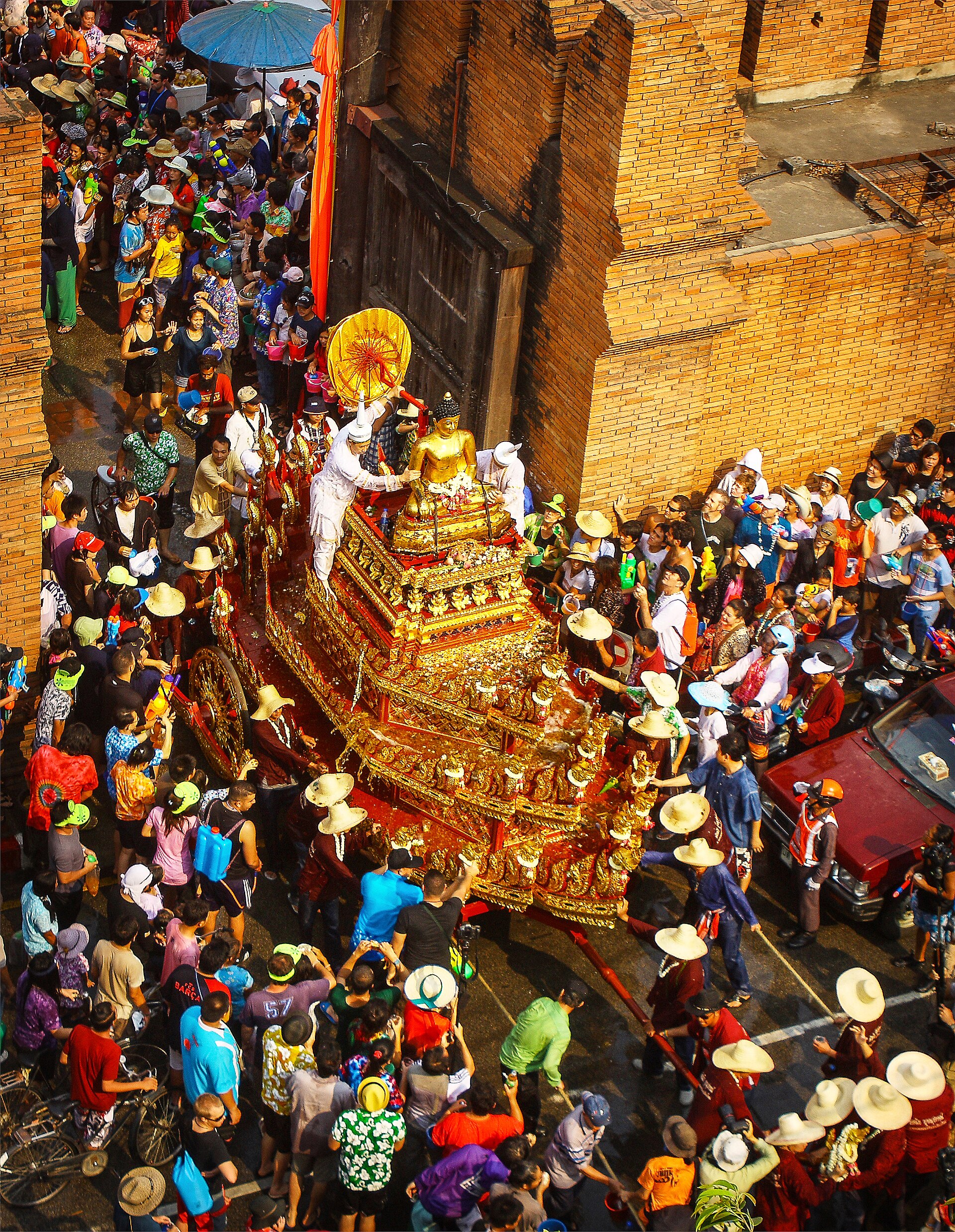
As the sun rises on April 13th, the streets of Thailand come alive with the sounds of laughter, splashing water, and the rhythmic beats of traditional music. This is Songkran, the Thai New Year, a festival that has evolved into one of the most exuberant celebrations in Southeast Asia. For three days, the country transforms into a vibrant battleground of water fights, where locals and tourists alike partake in joyous splashes, symbolizing the cleansing of the past year and the welcoming of new beginnings.
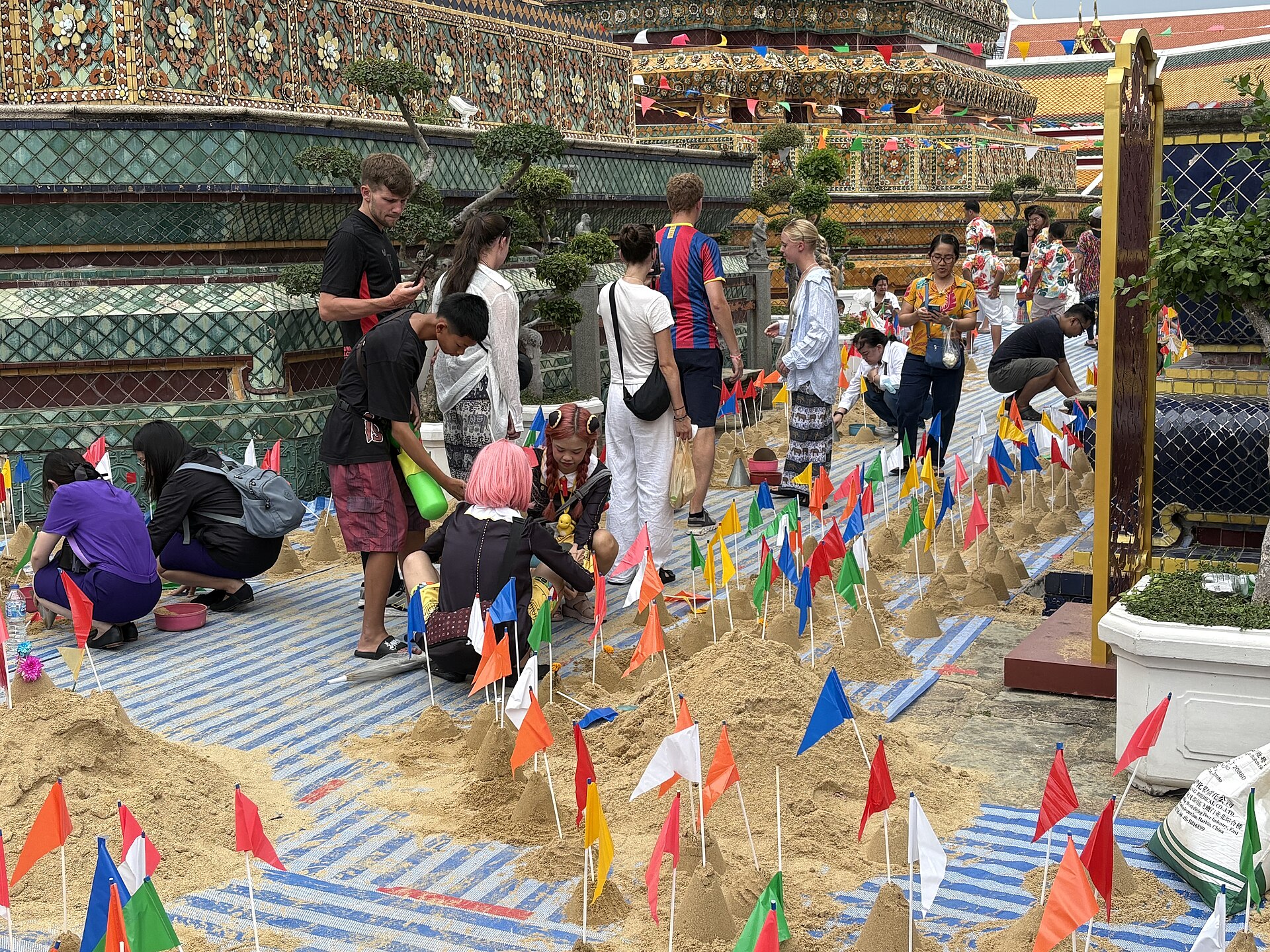
Songkran is not just a festival; it is a cultural tapestry woven with history and tradition. The name itself, derived from the Sanskrit word Saṅkrānti, means “to move” or “astrological passage.” This reflects the festival’s timing, which coincides with the sun's transition from Pisces to Aries, marking the start of a new solar year. Historically, Songkran was celebrated as the official New Year until the 20th century, when the calendar was adjusted to align with January 1st. Yet, the spirit of Songkran remains alive, celebrated with fervor across the nation.
The Rituals Behind the Splashing
While the water fights are the most visible aspect of Songkran, the festival is steeped in rituals that honor family and spirituality. Many Thais return to their hometowns during this time to pay respects to their ancestors and participate in traditional ceremonies. Families often visit temples to make merit, offering food to monks and pouring water over Buddha statues as a form of purification.
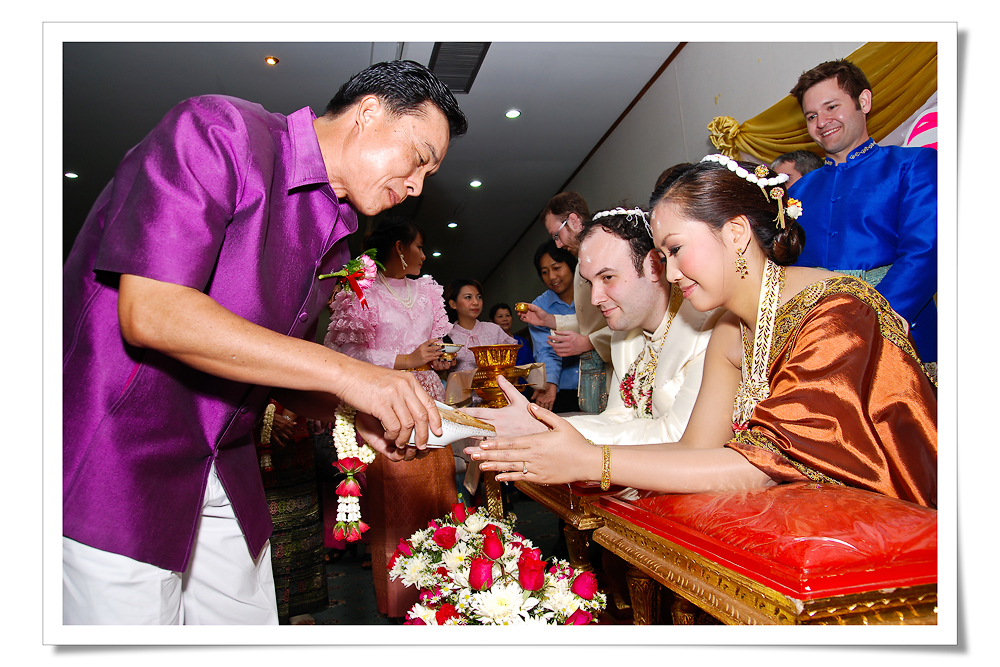
One of the most poignant moments of Songkran is the pouring of scented water over the hands of elders, a gesture of respect and gratitude. This act, called Rod Nam Dam Hua, is a cherished tradition that highlights the importance of family ties and the passing of wisdom from one generation to the next.
Where to Experience the Best of Songkran
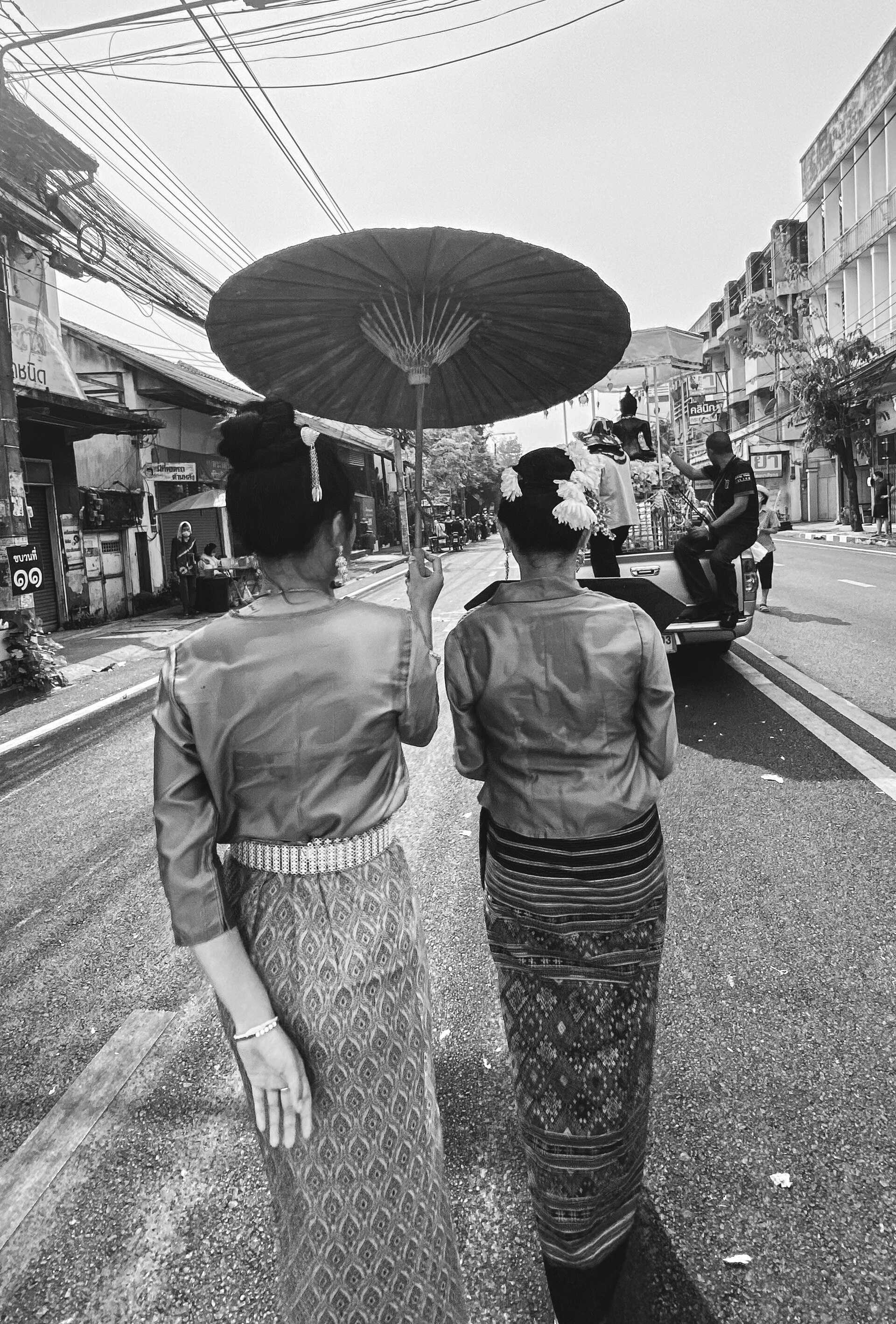
Bangkok, Chiang Mai, and Phuket are among the most popular destinations for experiencing Songkran. In Bangkok, the famous Khao San Road transforms into a lively party zone, with street vendors, music, and water-splashing revelers. Chiang Mai, however, is often considered the heart of Songkran, where the celebrations are more traditional, featuring parades, cultural performances, and the iconic water fights in the old city.
For those seeking a more local experience, smaller towns and villages often host their own celebrations, where the atmosphere is more intimate and the customs more traditional. Regardless of where you choose to celebrate, be prepared for a soaking—water guns, buckets, and hoses are the tools of the trade.
Practical Tips for Enjoying Songkran
Visiting Thailand during Songkran can be a thrilling experience, but it comes with its own set of challenges. The festival attracts large crowds, so it’s advisable to plan your accommodations and travel in advance. Expect some roads to be closed, and public transport to be busier than usual.
As a foreign visitor, it’s essential to respect local customs. While the water fights are fun, it’s important to remain mindful of those who may not wish to participate. Dress appropriately, as many locals wear traditional Thai clothing during the festival. And don’t forget to protect your valuables; waterproof bags are a must for keeping your belongings safe from splashes!
In fact, Songkran is not just a festival; it’s a celebration of life, community, and the renewal that comes with the change of seasons. Whether you’re dodging water balloons in the streets or participating in solemn rituals at a temple, the essence of Songkran is about connection—both with the past and with each other.