Thailand
Kanchanaburi: A Journey Through History and Nature
Discover the poignant history and stunning landscapes of Kanchanaburi, where the River Kwai flows and tales of resilience echo.
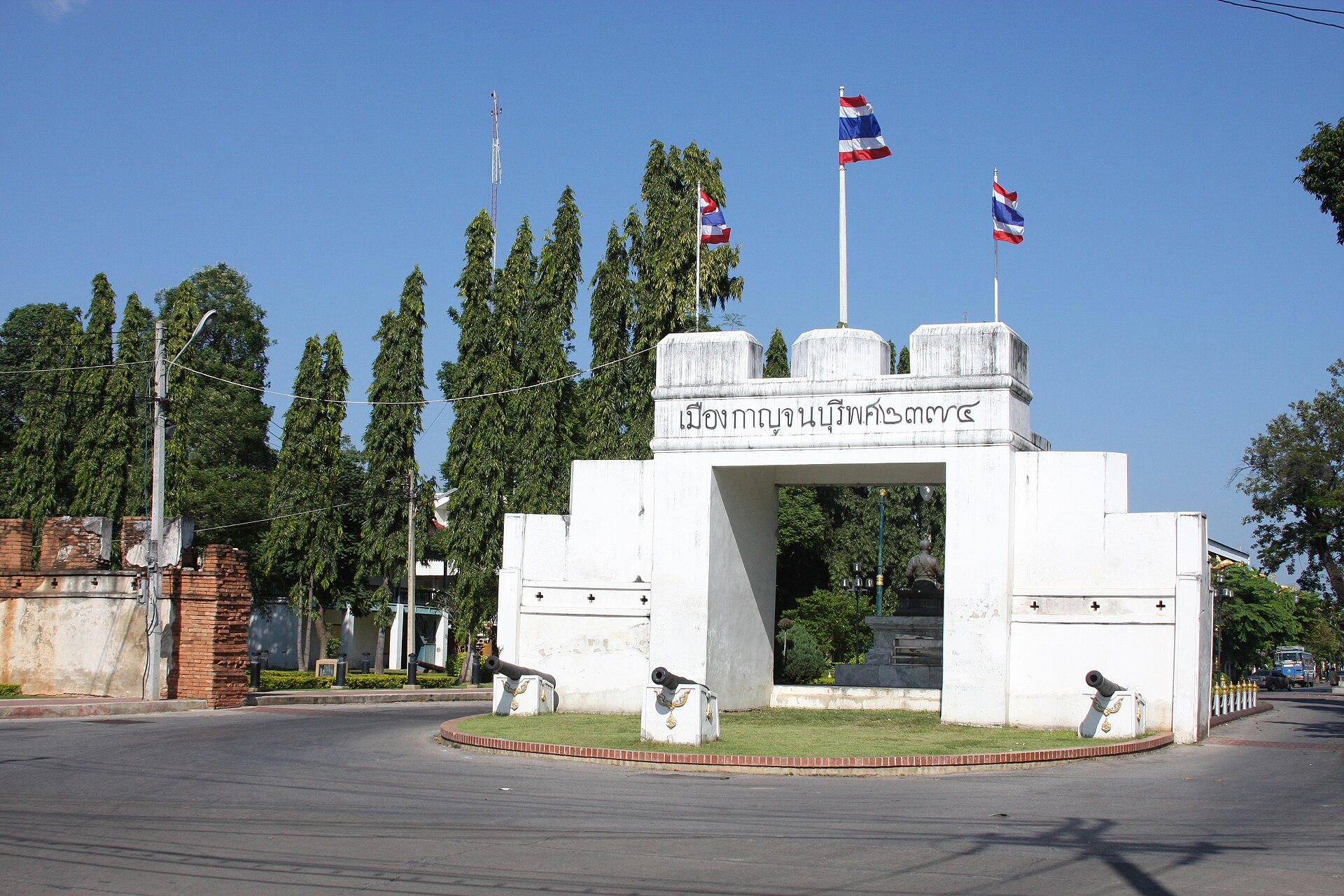
As the morning sun rises over the confluence of the Khwae Noi and Khwae Yai rivers, Kanchanaburi awakens to a gentle mist that dances above the water. Here, the famed Bridge over the River Kwai stands as a testament to both the beauty and the tragedy of history. This iron bridge, immortalized in film and literature, is not just a structure; it is a poignant reminder of the lives lost during the harrowing days of World War II.
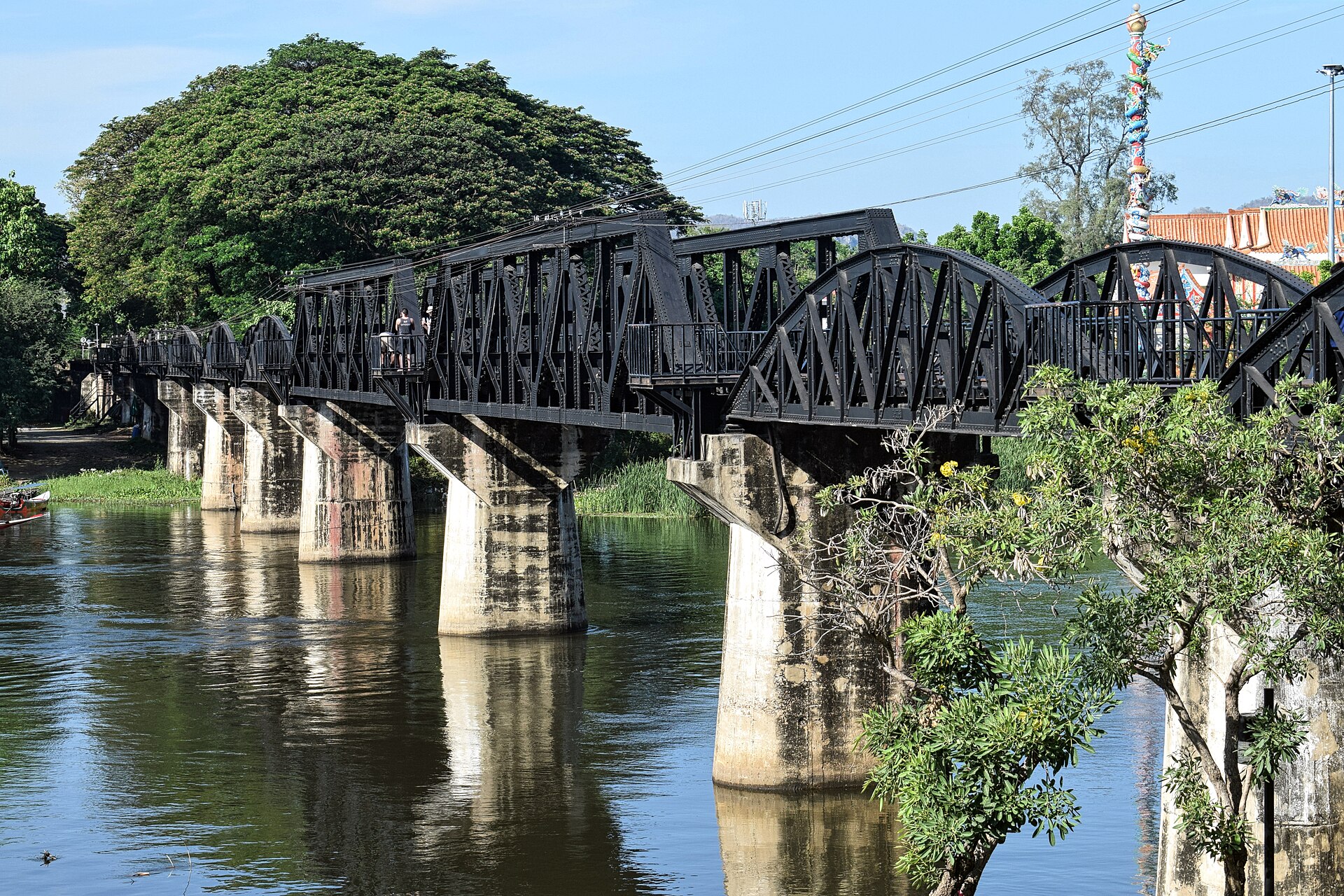
Visitors often find themselves drawn to this site, where the echoes of the past mingle with the serene sounds of nature. The bridge, constructed under brutal conditions, was part of the infamous Death Railway, a project that claimed the lives of thousands of POWs and forced laborers. As you walk across the bridge, the weight of its history lingers in the air, yet the vibrant life of Kanchanaburi also unfolds around you.
The Allure of Nature
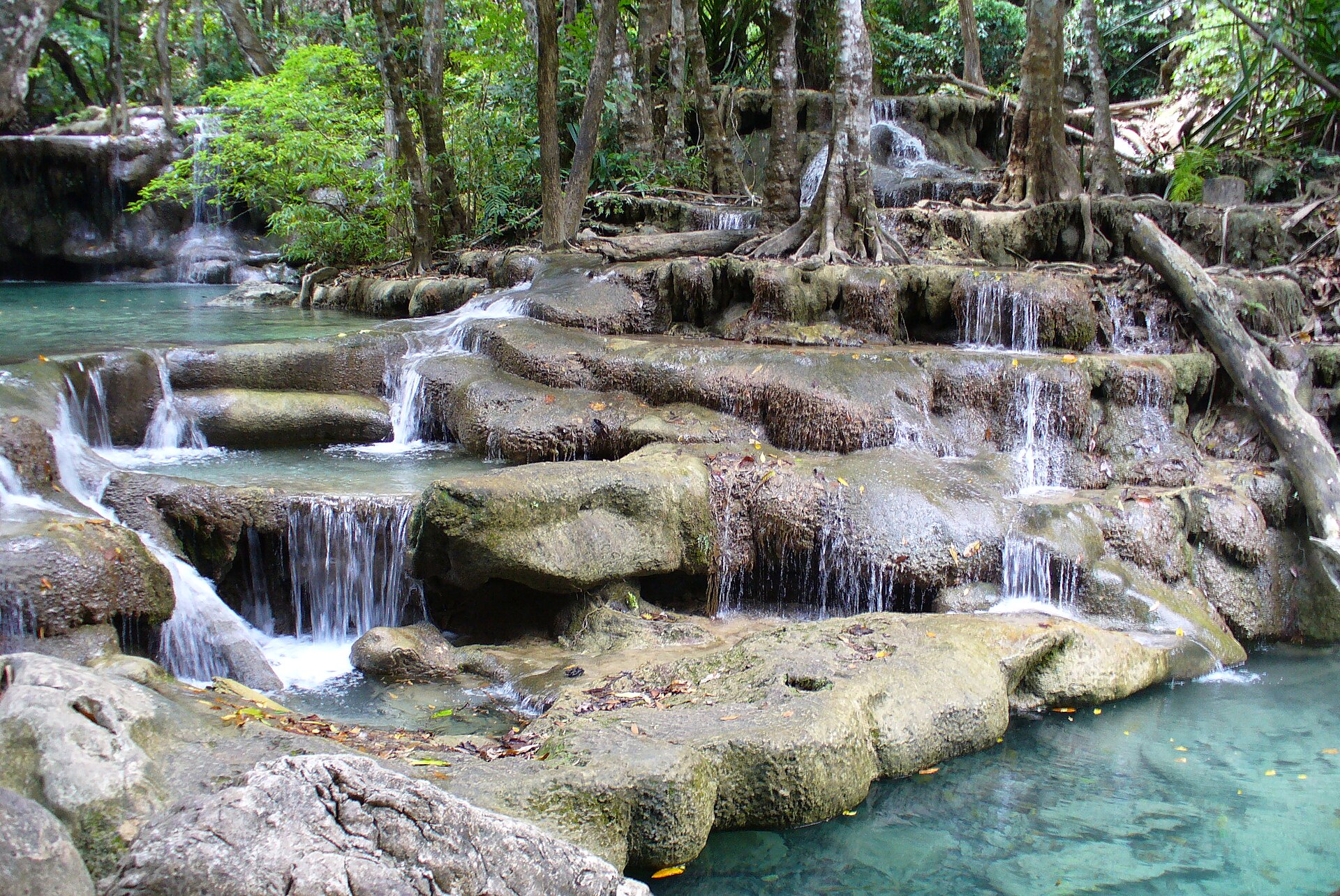
Just beyond the bridge, Kanchanaburi reveals its natural wonders. The Erawan National Park, a short drive away, boasts emerald green waterfalls cascading down limestone cliffs. Each tier of the Erawan Falls invites visitors to take a refreshing dip in its clear waters, a welcome escape from the tropical heat. The park is a haven for hikers and nature lovers, with trails leading through lush jungles and offering glimpses of diverse wildlife.
For those seeking a more laid-back experience, the riverside vibe of Kanchanaburi is perfect for unwinding. Cafés and bars line the Mae Nam Kwae Road, where you can sip on a cold drink while watching the river flow by, perhaps even catching a glimpse of a long-tail boat gliding across the water.
Exploring the Past
Kanchanaburi is not just about the bridge; it is a city steeped in history. The Thailand-Burma Railway Centre offers a comprehensive look at the construction of the railway and the suffering endured by those who built it. The museum's exhibits provide context to the stories behind the bridge and the railway, making it a must-visit for anyone wanting to understand the full narrative.
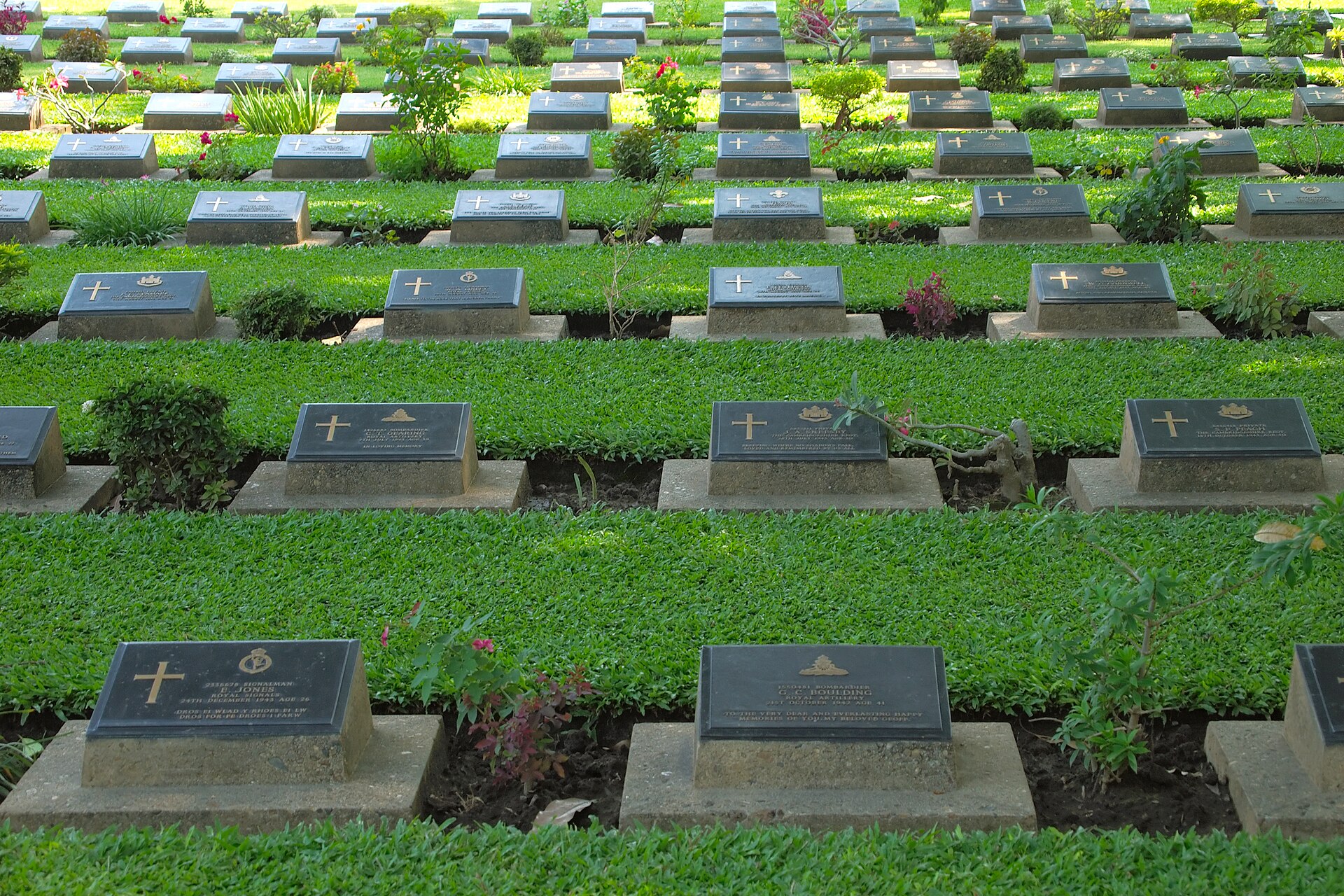
Nearby, the Kanchanaburi War Cemetery stands as a solemn tribute to the 6,982 Allied prisoners who perished during the railway's construction. The neatly maintained graves, set against a backdrop of well-kept lawns, offer a moment of reflection and respect for those who lost their lives.
Getting There and Around
Reaching Kanchanaburi is relatively straightforward. Buses and trains from Bangkok make the journey in about two to three hours, with options for both comfort and budget travel. Once in Kanchanaburi, small orange and yellow songthaews provide an easy way to navigate the town, connecting key sites like the bridge and the war cemetery.
While the town is compact, the attractions are spread out enough to warrant a bicycle rental or a motorbike taxi for those looking to explore more freely. The local hospitality is warm, and you might find yourself sharing a smile with a vendor selling fresh fruit or a local dish as you wander the streets.
As the day winds down, the skywalk along the riverfront offers a stunning view of the sunset, casting a golden hue over the water. Kanchanaburi, with its blend of historical significance and natural beauty, is a destination that resonates deeply with visitors, leaving them with stories to tell long after they’ve left.