Thailand
China Monitors Pollution in Mekong Tributaries Amid Regional Concerns
China is closely observing pollution levels in Mekong tributaries as regional environmental issues escalate, drawing mixed reactions from neighboring countries.
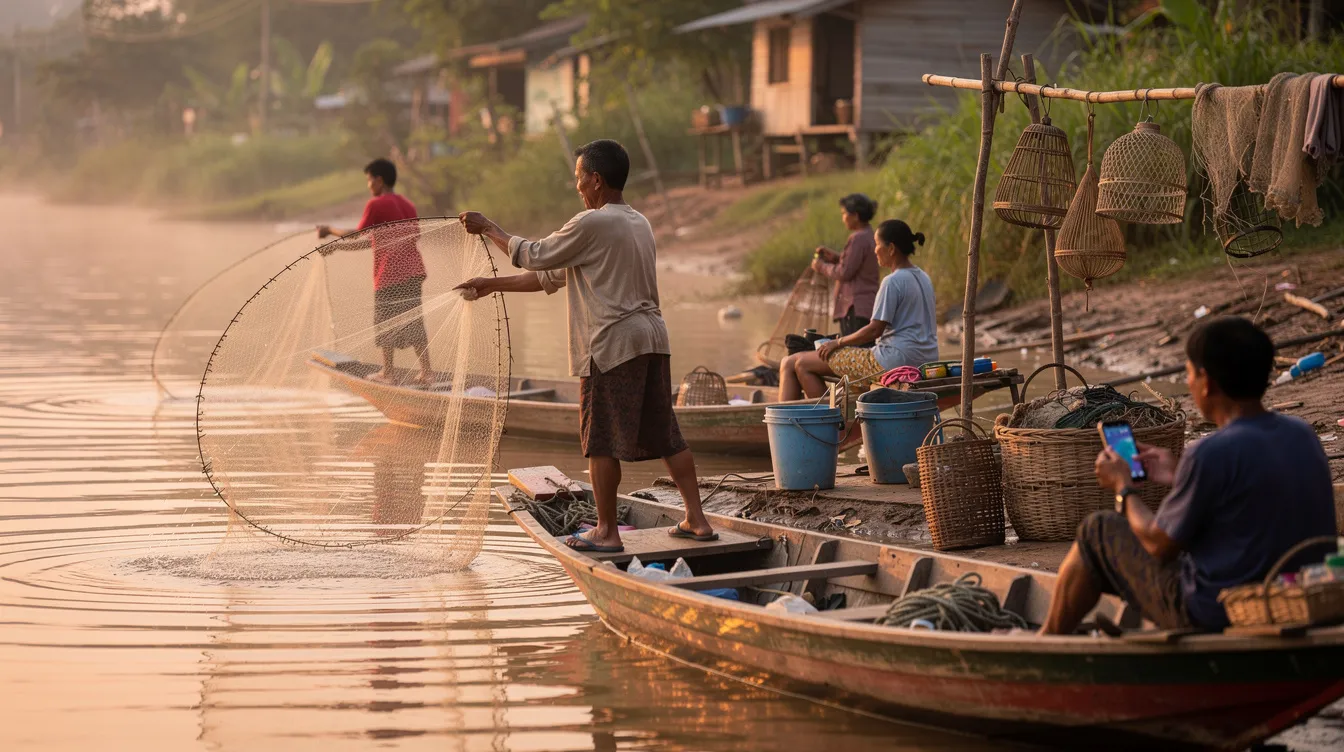
China has stated that it is closely monitoring pollution levels in the Mekong River's tributaries, a significant water source for several Southeast Asian countries. This announcement comes in response to increasing concerns about environmental degradation affecting the river system, which is vital for agriculture, fishing, and daily life in the region.
According to a statement from the Ministry of Ecology and Environment, China is taking proactive measures to assess and manage pollution risks in the Mekong tributaries. The ministry emphasized the importance of international cooperation in addressing pollution and ensuring the health of the river, which flows through China, Myanmar, Laos, Thailand, Cambodia, and Vietnam.
The Mekong River has faced various environmental challenges, including industrial pollution, agricultural runoff, and climate change impacts. Recent reports indicate that pollution levels in some tributaries have reached alarming levels, prompting calls for urgent action from both governmental and non-governmental organizations.
“Monitoring is essential, but it needs to translate into effective policies and practices that protect the river's ecosystem.”Dr. Sinan Narin, Analyst, Mekong River Commission
Officials in Cambodia and Vietnam have expressed concerns about the potential impacts of upstream activities in China on water quality downstream. The Cambodian government has been particularly vocal about the need for China to take responsibility for its environmental impact on the Mekong, as many communities rely heavily on the river for their livelihoods.
Environmental analysts have pointed out that while China's monitoring efforts are a positive step, they must be accompanied by concrete actions to mitigate pollution sources. Monitoring is essential, but it needs to translate into effective policies and practices that protect the river's ecosystem, said Dr. Sinan Narin, an analyst from the Mekong River Commission.
In contrast, coverage from Myanmar highlights the severe impact of unregulated mining activities on the Mekong's tributaries. Reports indicate that contamination from rare earth and gold mining in Myanmar's Shan State is contributing to the pollution crisis affecting the Mekong River. The Diplomat noted that toxic levels of arsenic, lead, and mercury have been found in the river, raising alarm among environmentalists and local communities.
One environmental scientist, Dr. Suebsakun Kidnukorn, emphasized the dire consequences of this contamination, stating that it has entered the food chain and poses long-term health risks. This perspective contrasts with the more diplomatic tone of Chinese reporting, which focuses on monitoring and cooperation.
As regional discussions continue, the collaboration between China and its Southeast Asian neighbors will be crucial in addressing the pressing challenges facing the Mekong River. The health of this vital waterway not only affects local communities but also has broader implications for regional stability and economic development.
While Myanmar's coverage stresses the urgent need for action against upstream pollution sources, Indonesian reports have focused on the broader implications of China's monitoring efforts, suggesting that it could lead to increased regional cooperation. However, the stark reality of pollution from Myanmar's mining activities complicates this narrative, as many experts call for immediate regional action to address the contamination crisis.