Singapore
Singapore's Ambitious Pursuit of Nuclear Fusion Energy
The city-state aims to establish itself as a key player in the emerging nuclear fusion sector, leveraging its technological capabilities and research expertise.
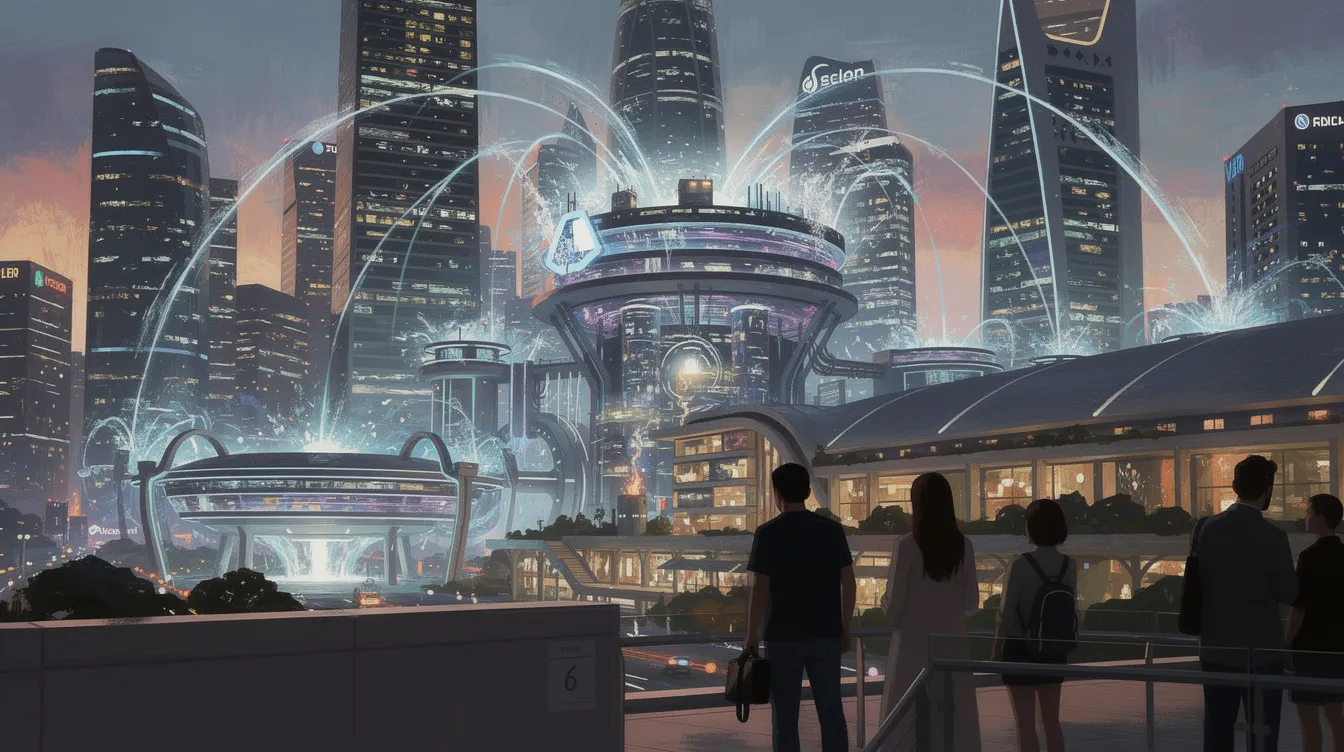
SINGAPORE — As part of its ongoing energy transition, Singapore is keenly exploring the potential of nuclear fusion as a future energy source. Minister for Energy, Trade and Industry Tan See Leng highlighted the country's ambitions during the recent FusionX:APAC conference held at Biopolis, stating that while commercial nuclear fusion plants may still be years away, significant economic opportunities are emerging in this sector.
According to Tan, the global fusion ecosystem is projected to reach approximately US$419.84 billion (S$538 billion) by the end of the decade. He emphasized that even without its own fusion reactor, Singapore can leverage its talent, research and development (R&D), and industrial capabilities to support the broader fusion economy. Tan noted that advancements in fusion technology have been met with growing commercial interest, with sizeable investment flows going into fusion energy companies.
“Even for countries like Singapore without our own fusion reactor, we can leverage our talent, R&D and industrial capabilities to support the broader fusion economy.”Tan See Leng, Minister for Energy, Trade and Industry
Nuclear fusion, which involves fusing hydrogen particles at extremely high temperatures, is considered a safer alternative to nuclear fission, the process currently used in commercial nuclear power plants. Fusion reactions produce minimal radioactive waste and have a lower risk of catastrophic failures. The National Ignition Facility in California recently achieved a significant milestone by generating more energy from fusion than was used to initiate the reaction, a breakthrough that has garnered global attention.
Singapore's strategic focus on nuclear fusion aligns with its broader energy goals, which include achieving carbon neutrality by 2050. The city-state has been actively investing in related technologies and partnerships. For instance, a five-year collaboration with Commonwealth Fusion Systems (CFS), a leading private company in the nuclear fusion sector, aims to develop technologies for commercial fusion power plants. This partnership is expected to enhance Singapore's position in the global fusion energy supply chain.
In addition to CFS, Singapore's Agency for Science, Technology and Research (A*STAR) has been collaborating with various international entities to advance its capabilities in fusion technology. The National Supercomputing Centre (NSCC) Singapore is also playing a crucial role by providing high-performance computing resources to model plasma behavior, a key element in fusion research.
“Singapore has major capabilities in advanced manufacturing and materials engineering, deploying these capabilities in the shipbuilding, aerospace and semiconductor sectors.”Bob Mumgaard, CEO of Commonwealth Fusion Systems
Tan also pointed to the establishment of the Singapore-France Fusion Energy Alliance (SAFE) between Nanyang Technological University (NTU) and France's Alternative Energies and Atomic Energy Commission. This partnership aims to bolster research capabilities and foster collaboration with international fusion facilities.
As Singapore continues to explore nuclear fusion, there is a growing recognition of its potential to provide a clean, reliable energy source that could complement the city-state's existing energy mix. The government is committed to long-term planning to ensure a stable energy supply, which is vital for the nation’s survival and economic growth.