Singapore
Rising Medical Costs Challenge Singapore's Group Health Insurance Market
Employers face increasing premiums as medical claims surge, prompting a reevaluation of health benefits.
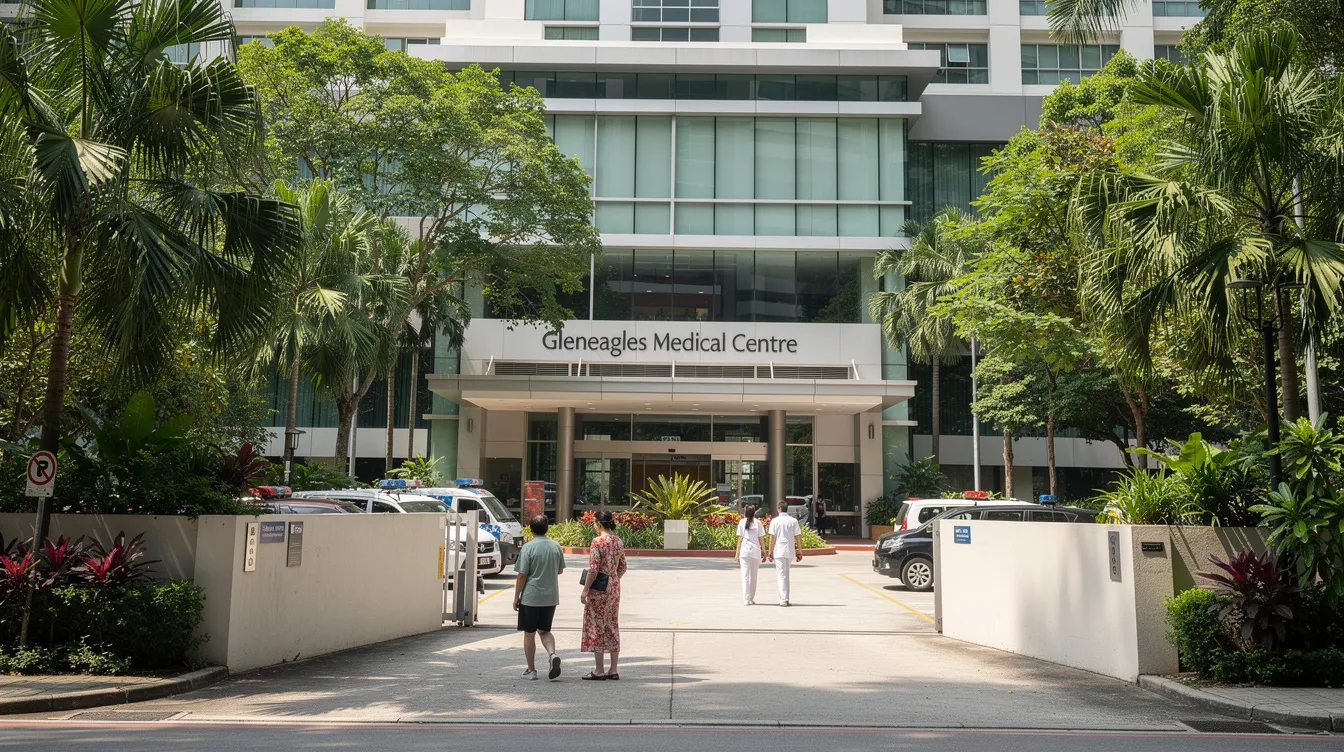
In Singapore, the group medical benefits market is experiencing significant strain due to escalating healthcare costs and rising claims. Employers, who typically provide group medical coverage for their employees, are facing annual premium increases of 15 to 20 percent, according to the Business Times.
The Ministry of Health (MOH) has reported that private healthcare insurance claims have surged, contributing to a significant increase in medical costs. This figure reflects the growth in claims rather than overall healthcare inflation, which remains around 3% as per the Healthcare Consumer Price Index for 2025. The MOH has attributed the rise in claims to overly generous insurance coverage, leading to a phenomenon termed the 'buffet syndrome', where individuals maximize their benefits without regard for costs.
“The biggest advantage of modern healthcare solutions is the ability to detect health conditions earlier.”Kai Tze Yeoh, Head of Product Strategy and Healthcare Propositions at Cigna Healthcare
As a response to these pressures, the MOH announced changes effective April 2026, which will tighten the design of Integrated Shield Plan riders. These changes include lifting co-payment exposure and adjusting coverage for deductibles, which are expected to reduce premiums by approximately 30% for private hospital policyholders. Lydia Loh, Group Director of Healthcare Finance at the MOH, said that Singaporeans need to reassess their insurance needs with financial advisers to navigate these changes effectively.
Additionally, the General Insurance Association of Singapore reported that the overall gross written premium for the local insurance market grew by 6.3% in 2024, with health insurance premiums showing notable growth. Despite this growth, the industry is grappling with rising net claims across multiple sectors, including health, property, and travel insurance. Ronak Shah, President of the General Insurance Association, said that the insurance sector must adapt to a rapidly changing environment marked by rising medical costs and climate-related risks.
“Employers are now faced with the challenge of balancing rising costs with the need to provide comprehensive health benefits.”Howden Group Report
Employers are now faced with the challenge of balancing rising costs with the need to provide comprehensive health benefits. A report from Howden Group highlighted that while general inflation in Singapore has remained stable, medical costs are outpacing salary adjustments, creating a critical gap in employee benefits. The report indicated that health insurance premiums rose by 7.4% in 2025, with five out of seven insurers implementing further hikes in April 2026.
“The insurance sector must adapt to a rapidly changing environment marked by rising medical costs and climate-related risks.”Ronak Shah, President of the General Insurance Association of Singapore
To address these challenges, companies are exploring innovative solutions such as teleconsultations, which not only help reduce transportation costs but also encourage preventive care. This shift in focus is essential as employees increasingly prioritize health benefits alongside their salaries. According to a Cigna report, 70% of employees in Asia are more likely to remain with an employer that offers robust health benefits.
As the landscape of health insurance continues to evolve, stakeholders in Singapore's group medical benefits market face rising costs and changing conditions.