Singapore
A Taste of Community: The Heartbeat of Singapore's Hawker Culture
Dive into the vibrant world of Singapore's hawker centres, where culinary diversity and communal spirit converge in an unforgettable dining experience.
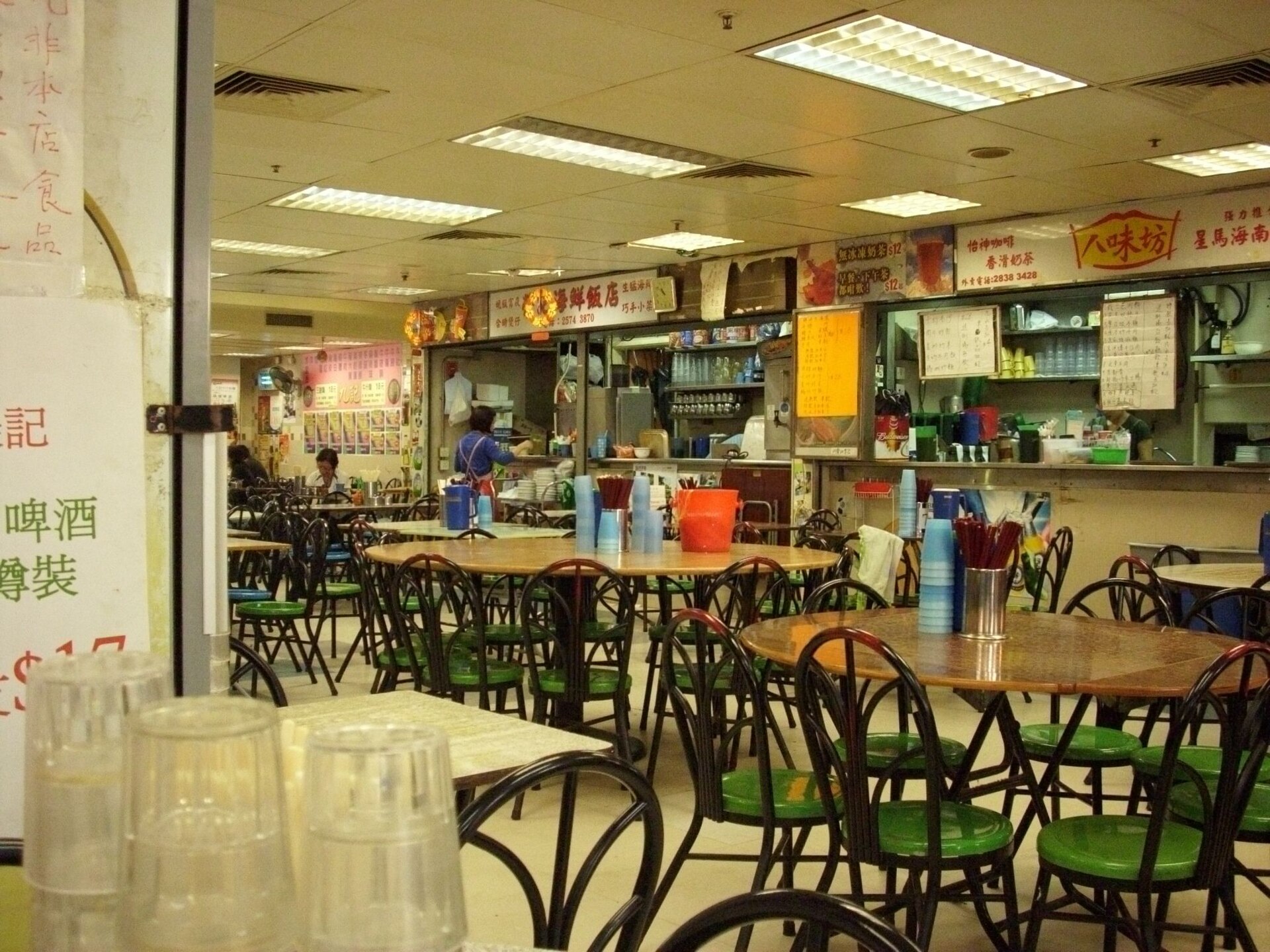
In the heart of Singapore, the air is rich with the aroma of sizzling satay, fragrant laksa, and sweet char kway teow. This is not just a meal; it is a ritual, a daily gathering at one of the city-state's many hawker centres. Here, under the shade of corrugated roofs, a tapestry of cultures unfolds, each stall a window into the culinary heritage of Singapore’s diverse population.
Hawker centres emerged in the 1950s and 1960s as a solution to the unhygienic conditions of street hawking. The government sought to provide a clean and safe environment for food vendors and diners alike. Today, these centres are a testament to Singapore’s commitment to food safety and community spirit. They serve as 'community dining rooms,' where locals and tourists mingle, sharing tables and stories over affordable meals.
Flavors of the Nation
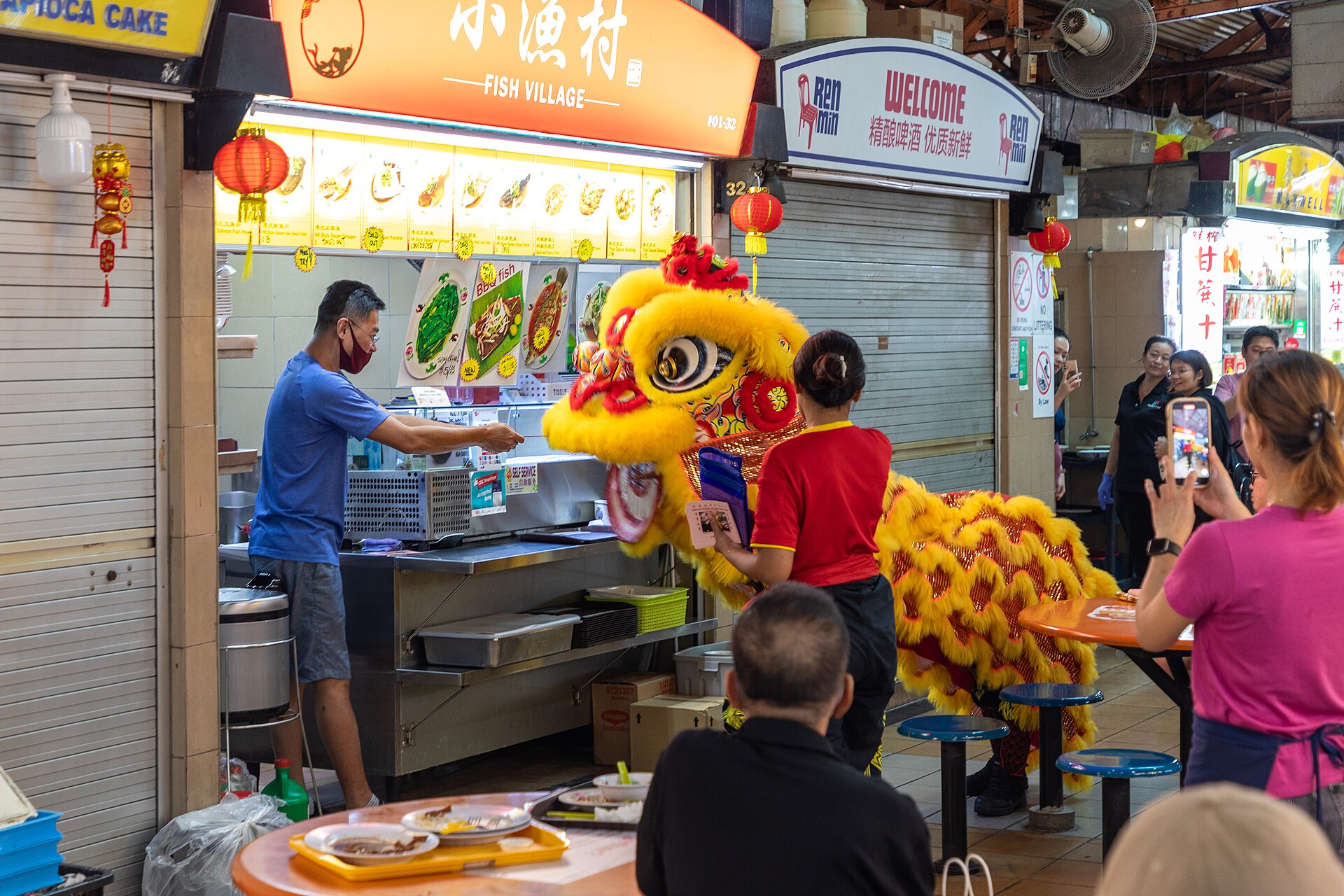
Each hawker centre boasts a unique lineup of stalls, often run by families who have honed their recipes over generations. The offerings are as diverse as Singapore itself, with Chinese, Malay, Indian, and even Peranakan cuisines represented. A visit to the Maxwell Food Centre, for example, is incomplete without a bowl of Tian Tian Hainanese Chicken Rice, renowned for its succulent chicken and fragrant rice.
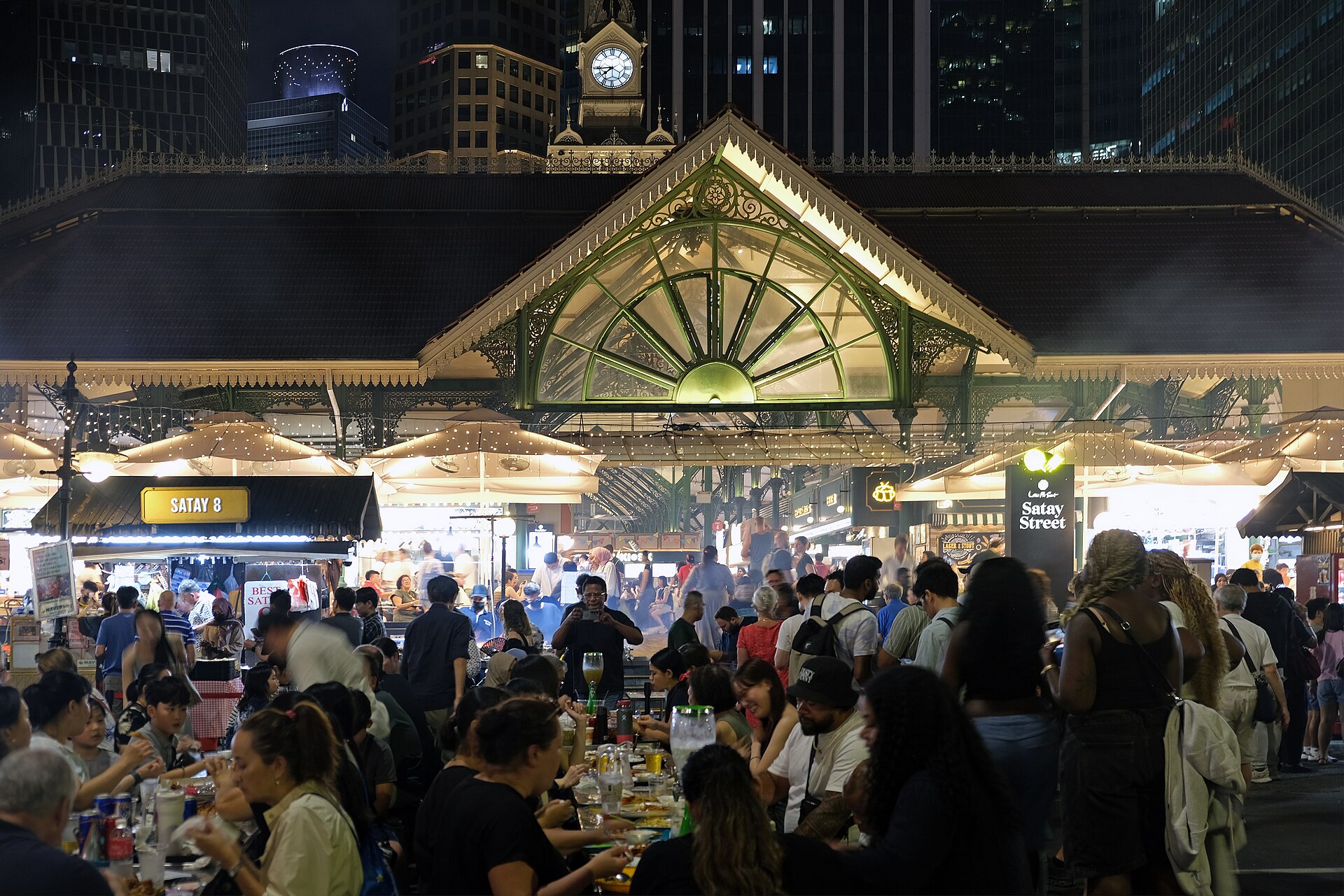
Then there is the iconic Lau Pa Sat, a historical market that transforms into a bustling food court by night. The satay stalls come alive, with skewers sizzling over open flames, drawing in crowds with their smoky aroma. Such experiences are not just about the food; they are about the stories behind each dish and the hawkers who serve them.
More Than Just Meals
Dining at a hawker centre is an experience steeped in local etiquette. It is customary to share tables, and diners often engage in friendly conversations with strangers. The communal spirit is palpable; it is a place where social barriers dissolve over shared plates. However, it is essential to be mindful of cleanliness; patrons are expected to return their trays and dispose of waste properly.
Despite their charm, hawker centres face challenges. Rising costs and changing demographics mean that many traditional hawkers are struggling to keep their stalls afloat. The government has responded with initiatives to support these vendors, including rent subsidies and training programs to attract younger generations into the trade. In 2020, Singapore's hawker culture was inscribed on the UNESCO Representative List of the Intangible Cultural Heritage of Humanity, recognizing its significance in fostering community and preserving culinary traditions.
Visiting the Hawker Centres
To truly experience Singapore’s hawker culture, one must visit during lunch or dinner hours, when the centres are at their most vibrant. Getting there is easy; most centres are accessible via the extensive MRT network. Look for the nearest station, and you will likely find a hawker centre just a short walk away.
While the vast array of choices can be overwhelming, the best approach is to follow the locals. Observe which stalls have the longest queues; this is often a good indicator of quality. Also, be prepared for cash transactions, as many stalls do not accept cards.
As you savor the last bite of your meal, take a moment to appreciate the vibrant tapestry of life that unfolds around you. In Singapore's hawker centres, food is not just sustenance; it is a celebration of culture, community, and shared experiences.