Philippines
Vigan: A Journey Through Time in the Philippines' Spanish Quarter
Step into Vigan, where cobblestone streets whisper tales of colonial grandeur and vibrant culture.
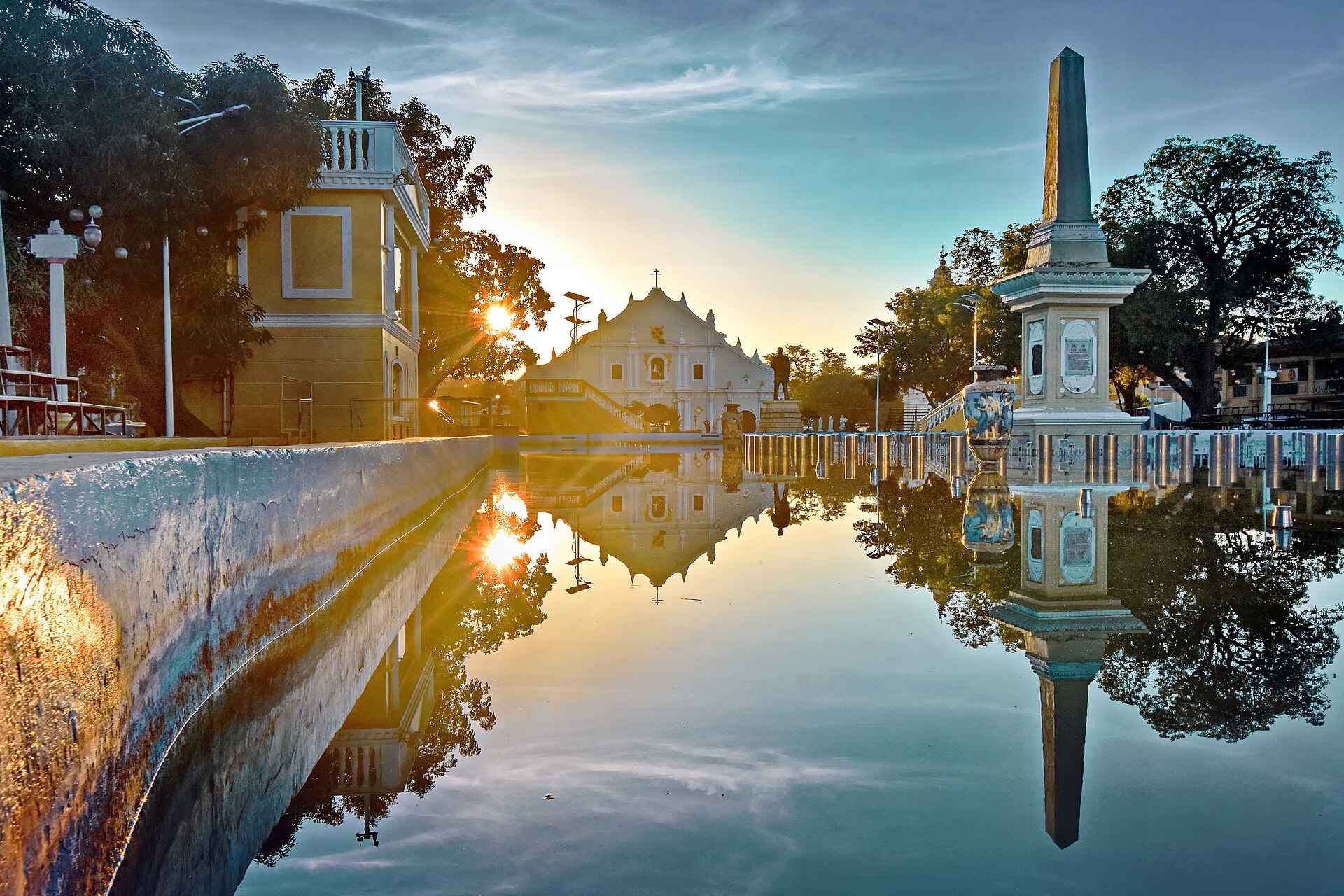
As the sun dips below the horizon, casting a warm golden hue over the cobblestone streets of Vigan, one cannot help but feel transported to another era. The rhythmic clip-clop of horse-drawn calesas echoes through the air, a nostalgic reminder of the city’s colonial past. Here, in the heart of Ilocos Sur, Vigan stands as a testament to the harmonious blend of cultures that have shaped its identity over centuries.
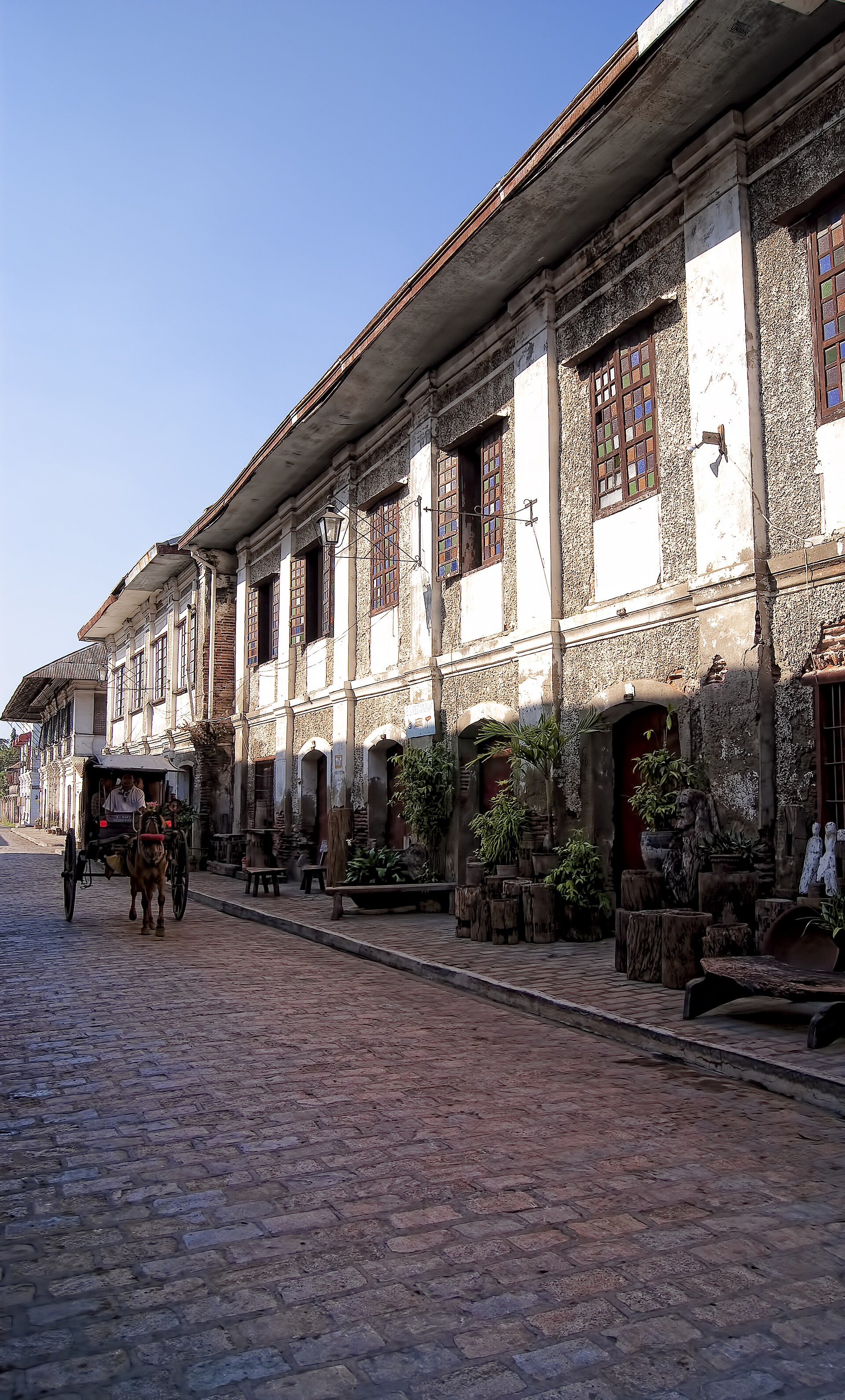
Founded in 1572 by the Spanish conquistador Juan de Salcedo, Vigan was once a bustling trading hub, frequented by merchants from across Asia. The city’s name, derived from the Ilocano word for giant taro, “bigaa,” reflects its agricultural roots, while the Spanish influence is evident in its architecture. The ancestral houses lining Calle Crisologo, with their intricate wooden balustrades and ornate tile roofs, tell stories of a bygone era, where Chinese traders and Spanish settlers coexisted and intermarried.
The Mestizo District: A Living Museum
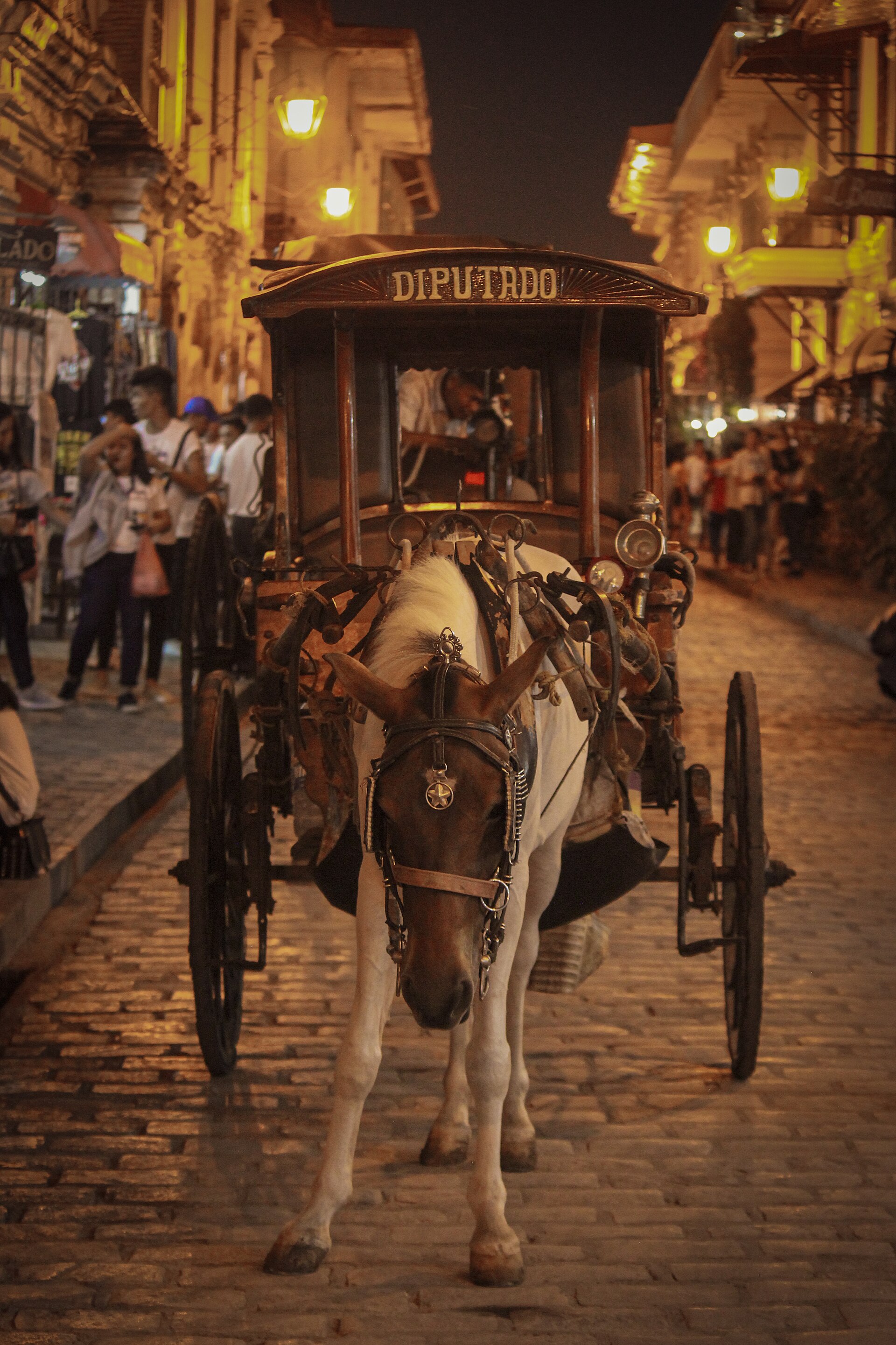
Walking through the Mestizo District feels like stepping into a living museum. Each house, each stone, has a story to tell. The Crisologo Museum, once the residence of a prominent political family, showcases memorabilia that offer a glimpse into the lives of Vigan’s elite during the Spanish era. Nearby, the Syquia Mansion, home to former President Elpidio Quirino, is adorned with artifacts that reflect the city’s rich political history.
At the heart of Vigan lies Plaza Salcedo, a vibrant gathering place where locals and visitors alike come to enjoy the evening air. The plaza is home to the iconic dancing fountain, a spectacle of light and water that draws crowds, particularly after sunset. As families gather around, sharing stories and laughter, one can sense the deep sense of community that characterizes Vigan.
Culinary Delights and Local Crafts
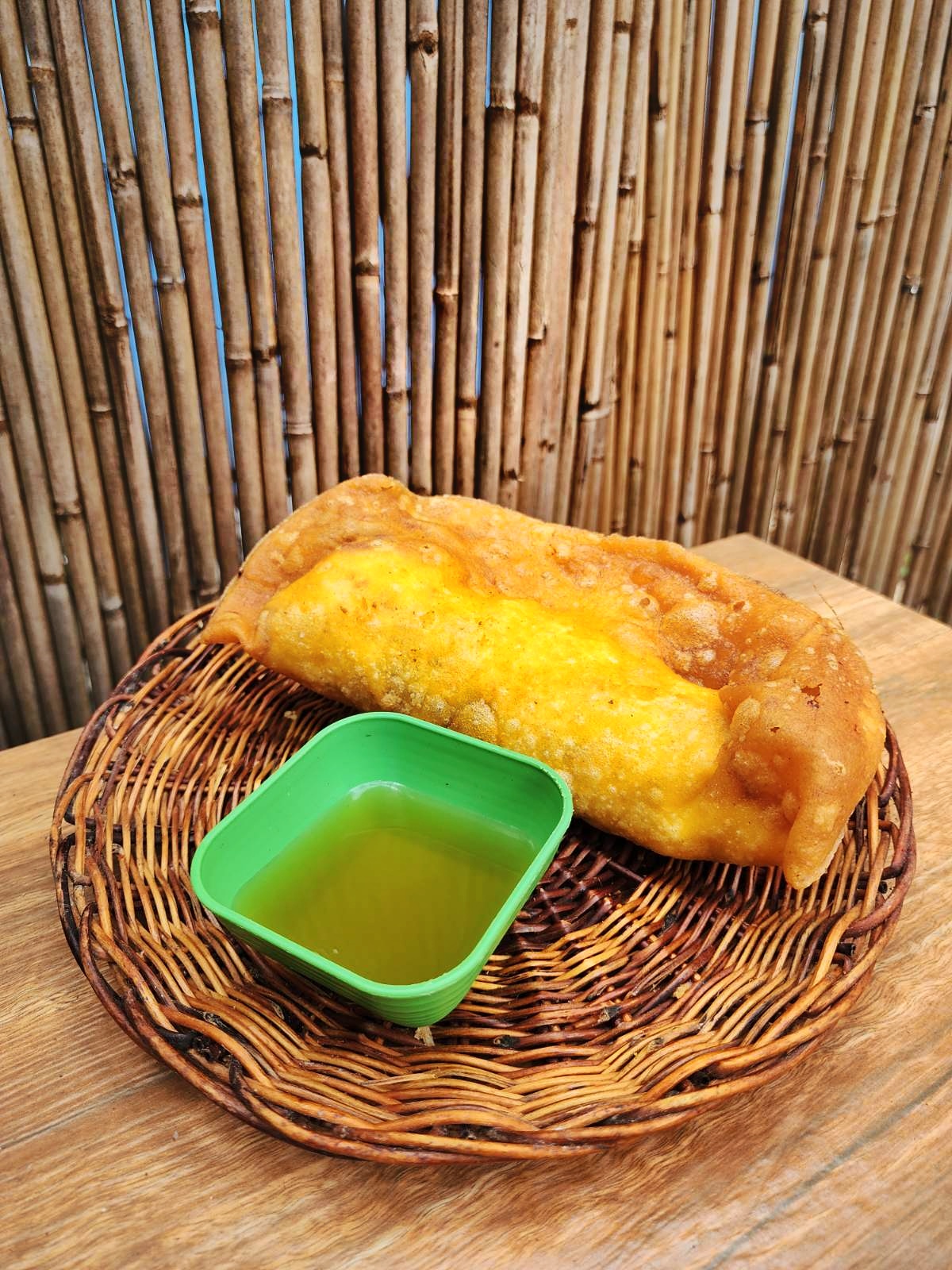
No visit to Vigan would be complete without indulging in its culinary offerings. The city is famous for its empanadas, crispy pastries filled with savory ingredients, best enjoyed fresh from the street vendors near Plaza Burgos. As you savor each bite, the flavors of Ilocano cuisine come alive, a delightful manifestation of the region's agricultural bounty.
In addition to its culinary delights, Vigan is also known for its handicrafts. The city’s artisans create exquisite woven products, from intricate textiles to beautifully crafted pottery. A visit to the local markets reveals a treasure trove of handmade goods, perfect for those seeking unique souvenirs that embody the spirit of Vigan.
Getting There and Around
Reaching Vigan is an adventure in itself. A scenic 7-10 hour drive from Manila along the MacArthur Highway leads you through picturesque landscapes. Alternatively, one can opt for a bus ride, with several companies offering regular trips to this historic city. Once in Vigan, the charming calesas provide a delightful way to explore the city’s attractions at a leisurely pace.
As you traverse the narrow streets, be mindful of the local customs. Vigan is a city steeped in tradition, and a respectful demeanor is appreciated. Engage with the locals, who are often eager to share their stories and insights about their beloved city.
In Vigan, time seems to stand still, allowing visitors to immerse themselves in a unique blend of history, culture, and community. Whether wandering through its historic streets or savoring its culinary delights, Vigan offers an unforgettable journey through the heart of the Philippines’ colonial past.