Philippines
Türkiye Advocates for Lifting Anti-Dumping Duty on Wheat Flour in the Philippines
The Turkish Embassy in Manila argues for the expiration of the anti-dumping measure on flour, citing changed market conditions and increased competition.
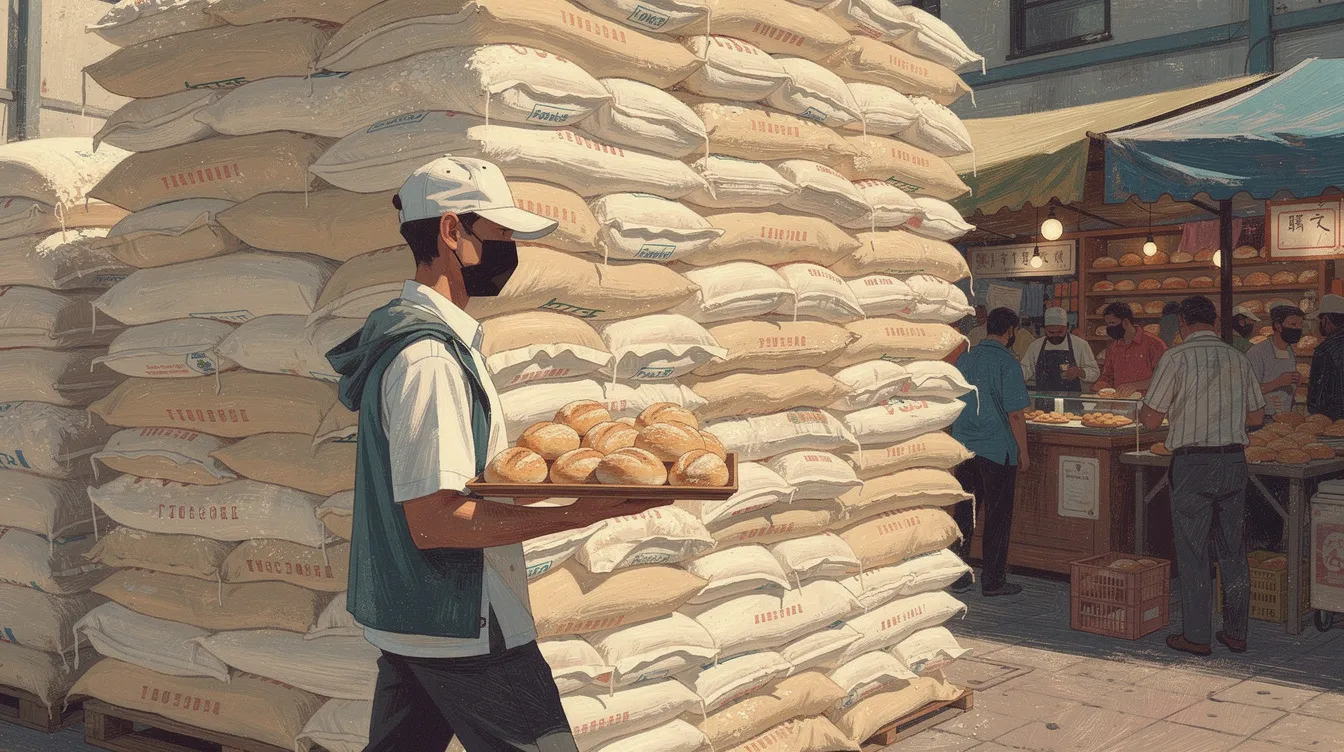
The Turkish Embassy in Manila has formally requested the Philippine government to reconsider the anti-dumping duty imposed on Turkish wheat flour, which has been in effect for over ten years. Türkiye's Ambassador to the Philippines, Niyazi Evren Akyol, indicated that the conditions justifying this measure have changed significantly since its introduction in 2015. He expressed that the current market dynamics warrant a reevaluation, suggesting that the duty should expire on January 14, 2027.
According to the Philippine Department of Agriculture (DA), the anti-dumping duties on Turkish flour range from 2.87% to 16.19%, depending on the exporter. The measure was initially set for review in 2020 and was extended again in December 2023, with the latest extension taking effect on January 15, 2024. Agriculture Secretary Francisco P. Tiu Laurel, Jr. confirmed that the DA is currently reviewing a request for another extension of the duty.
“Demand trends are different, and everyone’s trade-networking priorities are different.”Niyazi Evren Akyol, Türkiye Ambassador to the Philippines
Ambassador Akyol noted that the rising demand for flour in the Philippines, coupled with insufficient domestic production, strengthens the case for allowing the anti-dumping measure to lapse. He stated that the impact of Turkish flour coming in will not be the same as before, when it was considered disruptive, as demand trends and trade-networking priorities have changed.
Ernesto N. Chua, president of Malabon Longlife Trading Corp. and chair of the Philippine-Turkish Business Council, echoed this sentiment, urging the government to allow the measure to expire. He argued that increased competition could lead to lower prices for consumers without necessarily harming domestic producers. He expressed hope that the government would not extend the duty, as more competition could benefit consumers by lowering prices.
“If you have more competition, consumers benefit as prices come down, without necessarily affecting the local industry.”Ernesto N. Chua, President of Malabon Longlife Trading Corp.
Chua also highlighted that his company has shifted its sourcing to Vietnam, where they benefit from duty-free importation, due to the current anti-dumping duties on Turkish flour. He mentioned that Turkish flour would still incur a regular tariff of 3% even if the anti-dumping duty is lifted, and emphasized that the competitiveness of Turkish flour would depend on pricing adjustments from suppliers.
“There should be a balance, as long as our local manufacturers remain profitable.”Ruben L. See, President of Food Processors and Exporters Organization, Inc.
On the other hand, Ruben L. See, president of the Food Processors and Exporters Organization, Inc., expressed the need for a balanced approach. He acknowledged the challenges faced by local producers, who contend with rising costs due to imported raw materials while domestic production remains inadequate. See cautioned that if imports are restricted during a supply shortage, local manufacturers might raise prices, thereby necessitating a careful evaluation of the anti-dumping measure.
The discussions surrounding the anti-dumping duty on Turkish flour reflect broader trends in the Philippine agricultural sector, where the government must navigate the complexities of protecting local industries while ensuring adequate supply and reasonable prices for consumers. The outcome of this review process will likely have significant implications for both Turkish exporters and Philippine consumers.