Philippines
The Timeless Beauty of Banaue Rice Terraces
A journey through the heart of Ifugao reveals the stunning Banaue Rice Terraces, a testament to ancestral ingenuity and cultural heritage.
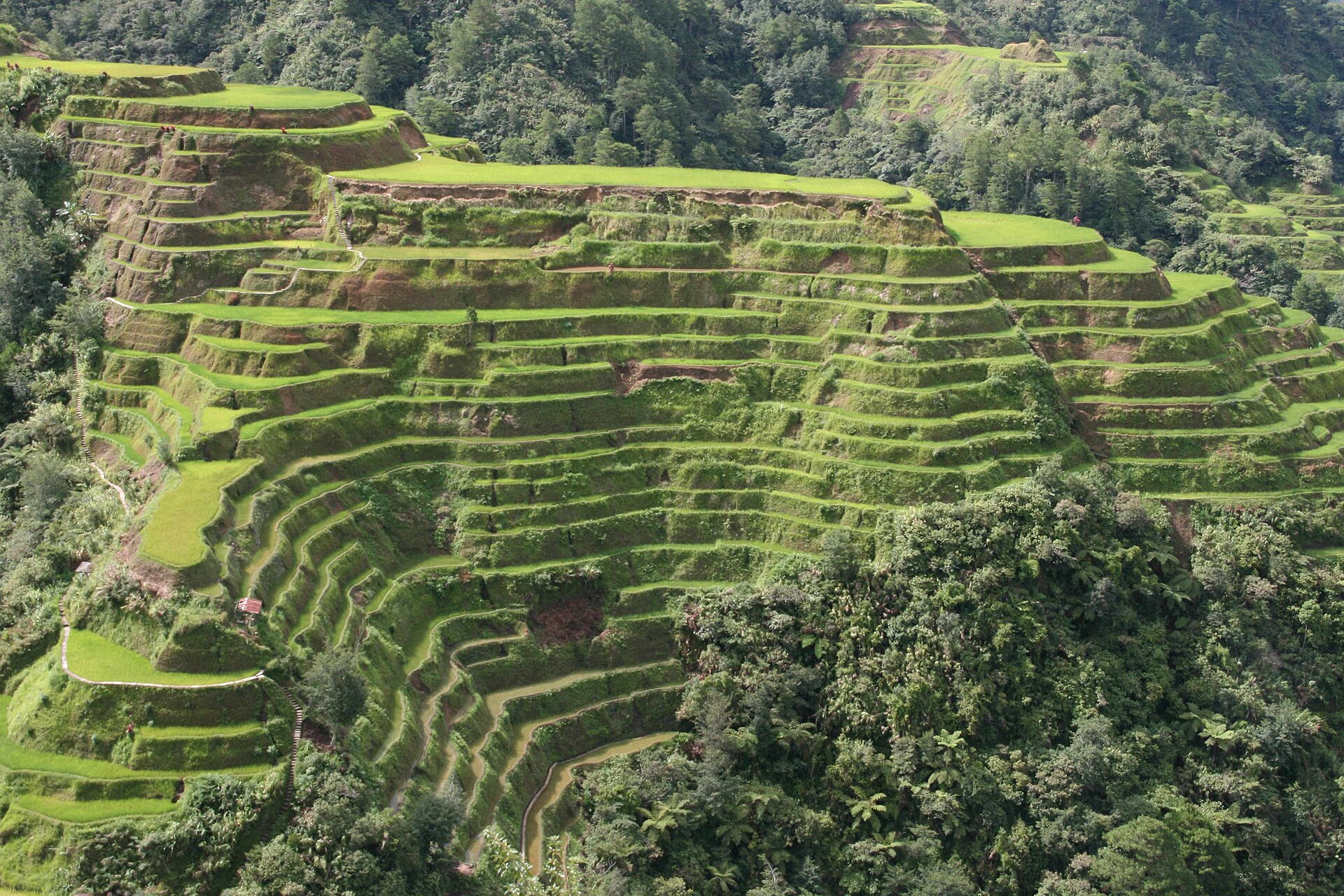
As the morning mist slowly lifts, the Banaue Rice Terraces emerge from the embrace of the mountains like a dreamscape sculpted by time. These terraces, often referred to as the "Eighth Wonder of the World," are not merely a stunning visual feast; they are a living testament to the ingenuity of the Ifugao people, who have nurtured this agricultural marvel for over two millennia.
Carved into the rugged mountains of Ifugao, the terraces rise approximately 1,500 meters (4,900 feet) above sea level, cascading down the slopes in a series of intricate steps. Each terrace is a masterpiece of engineering, built with minimal tools and a profound understanding of the land. The ancient irrigation system, which channels water from the lush rainforests above, sustains the rice and vegetables that continue to flourish here, even as the younger generations increasingly turn to the hospitality industry.
The Heartbeat of Ifugao Culture
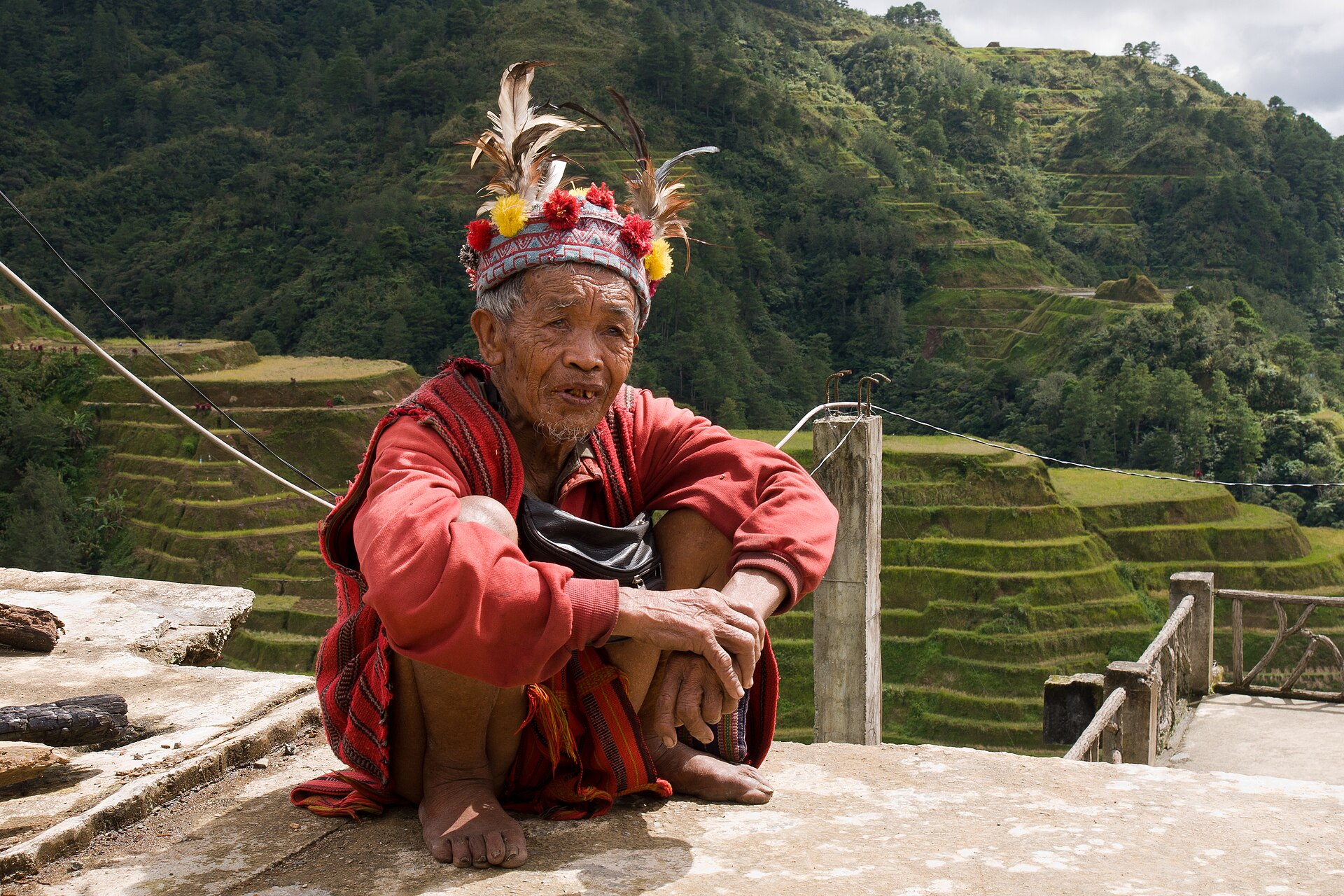
For the Ifugao people, rice is not just a staple; it is the very essence of their culture. The terraces are imbued with rituals and celebrations that mark the agricultural calendar, from the planting season to the joyous harvest feasts. During these festivities, the community gathers to partake in traditional delicacies such as bayah (rice wine) and rice cakes, celebrating not just the bounty of the land, but also their shared heritage and communal bonds.
However, the terraces face numerous challenges. The younger generation's disinterest in farming threatens the intricate maintenance required to preserve these steps. Additionally, environmental factors such as drought and invasive species pose significant risks to this delicate ecosystem. The Ifugao's age-old practices, once passed down through generations, now struggle against the tide of modernization.
Visiting the Terraces
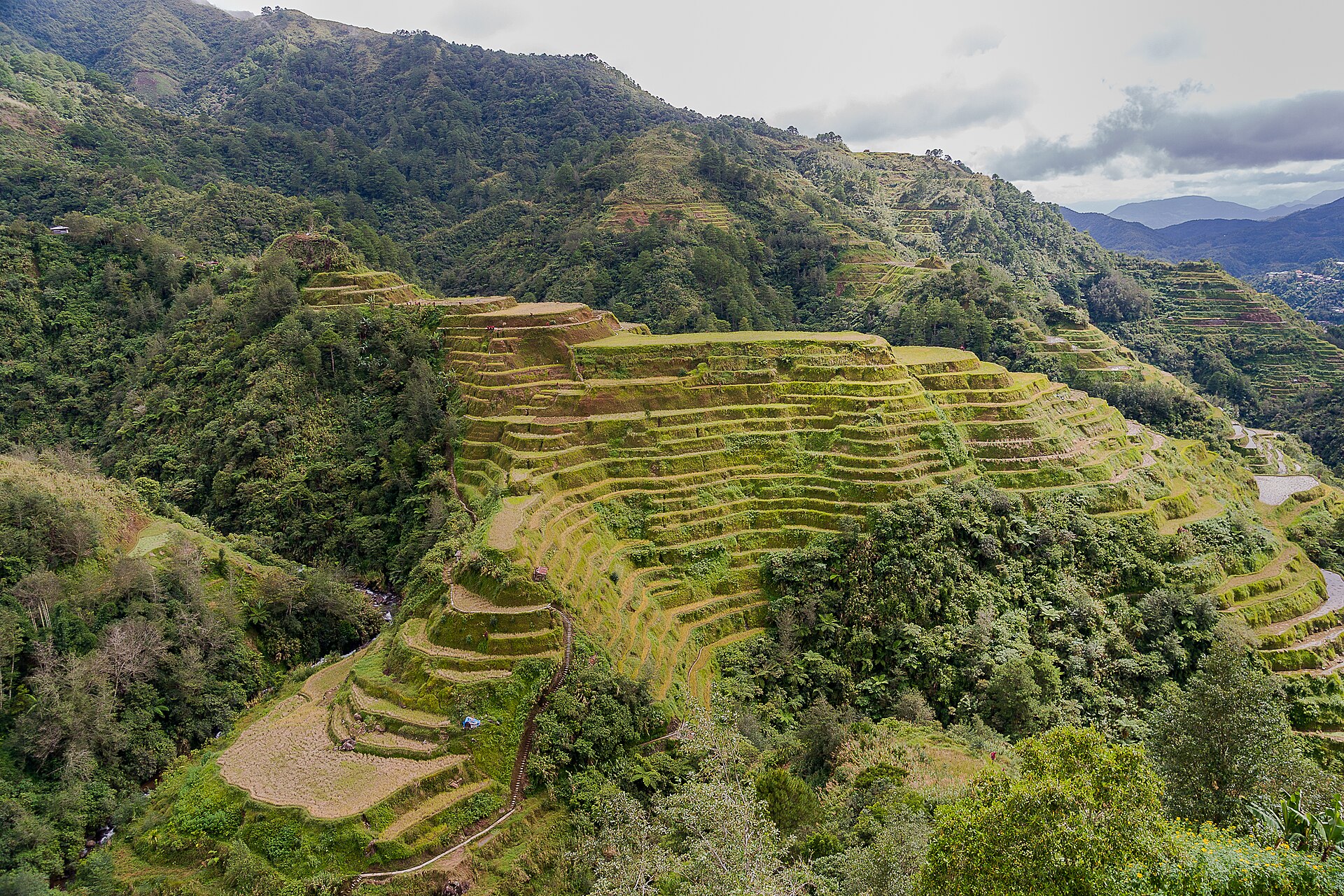
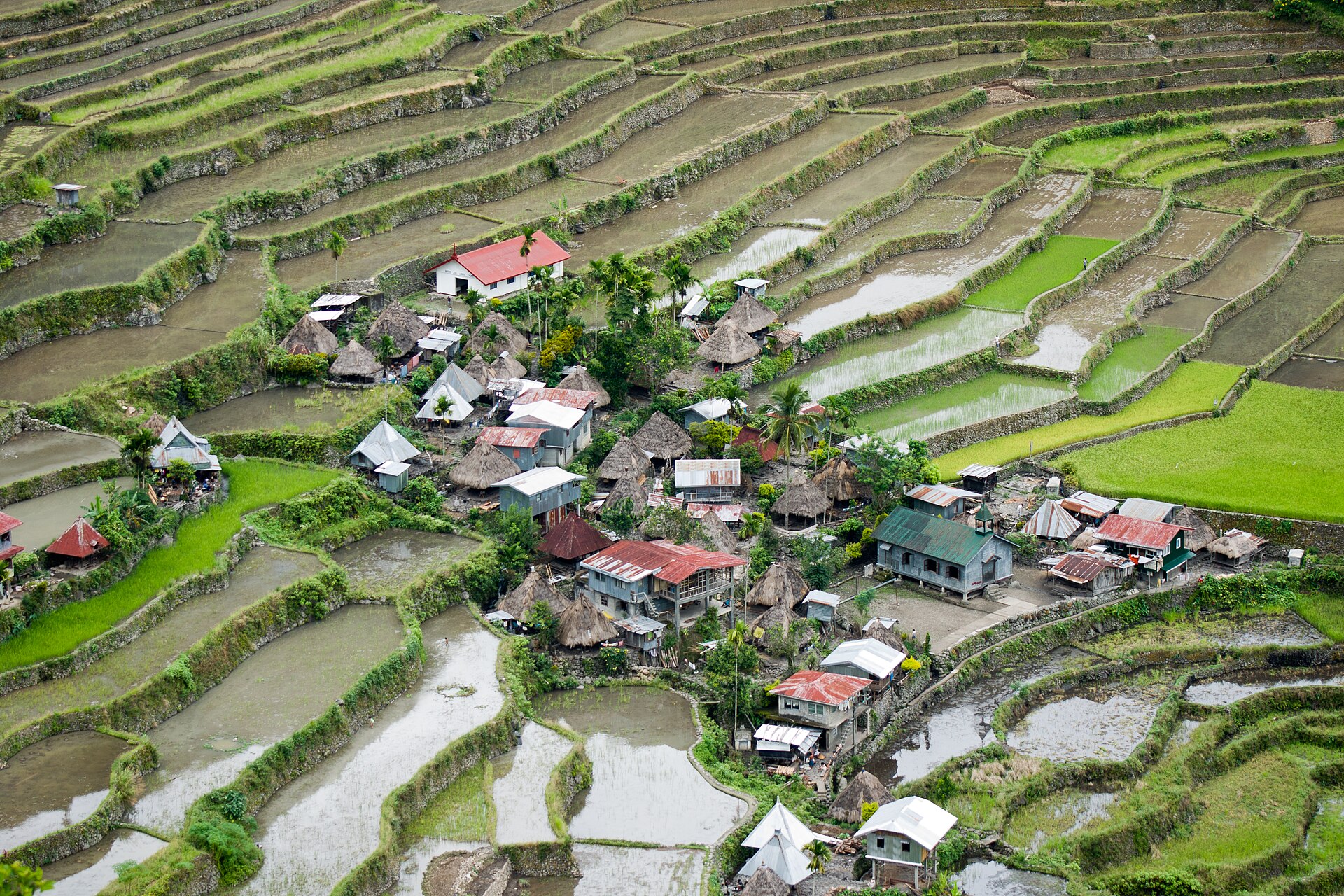
Reaching Banaue is an adventure in itself. Visitors typically arrive via a scenic bus ride from Manila, which can take upwards of ten hours. The best time to visit is during the rice planting and harvesting seasons, from May to October, when the terraces are lush and vibrant. While the Banaue Rice Terraces are the most famous, nearby clusters like Batad and Bangaan offer equally stunning views and a more intimate experience with local culture.
As tourists meander through the terraces, they are often greeted by the warm smiles of the Ifugao people, who are eager to share their stories and traditions. Engaging with a Mumbaki, a traditional Ifugao healer, can provide insight into the spiritual dimensions of their culture, making for a truly immersive experience.
A Call to Action
The Banaue Rice Terraces are more than just a breathtaking landscape; they are a poignant reminder of the delicate balance between tradition and modernity. As visitors marvel at this UNESCO-proposed site, they are also called to reflect on the importance of preserving such cultural treasures. Supporting local initiatives and sustainable tourism practices can help ensure that the terraces continue to thrive for generations to come.
In a world that often prioritizes the new over the ancient, the Banaue Rice Terraces stand resilient, a symbol of the enduring spirit of the Ifugao people and their profound connection to the land they have nurtured for centuries.