Philippines
Lechon: The Heart of Filipino Celebrations
In the Philippines, lechon is more than just a dish; it is a cultural icon that embodies the spirit of communal feasting and celebration.
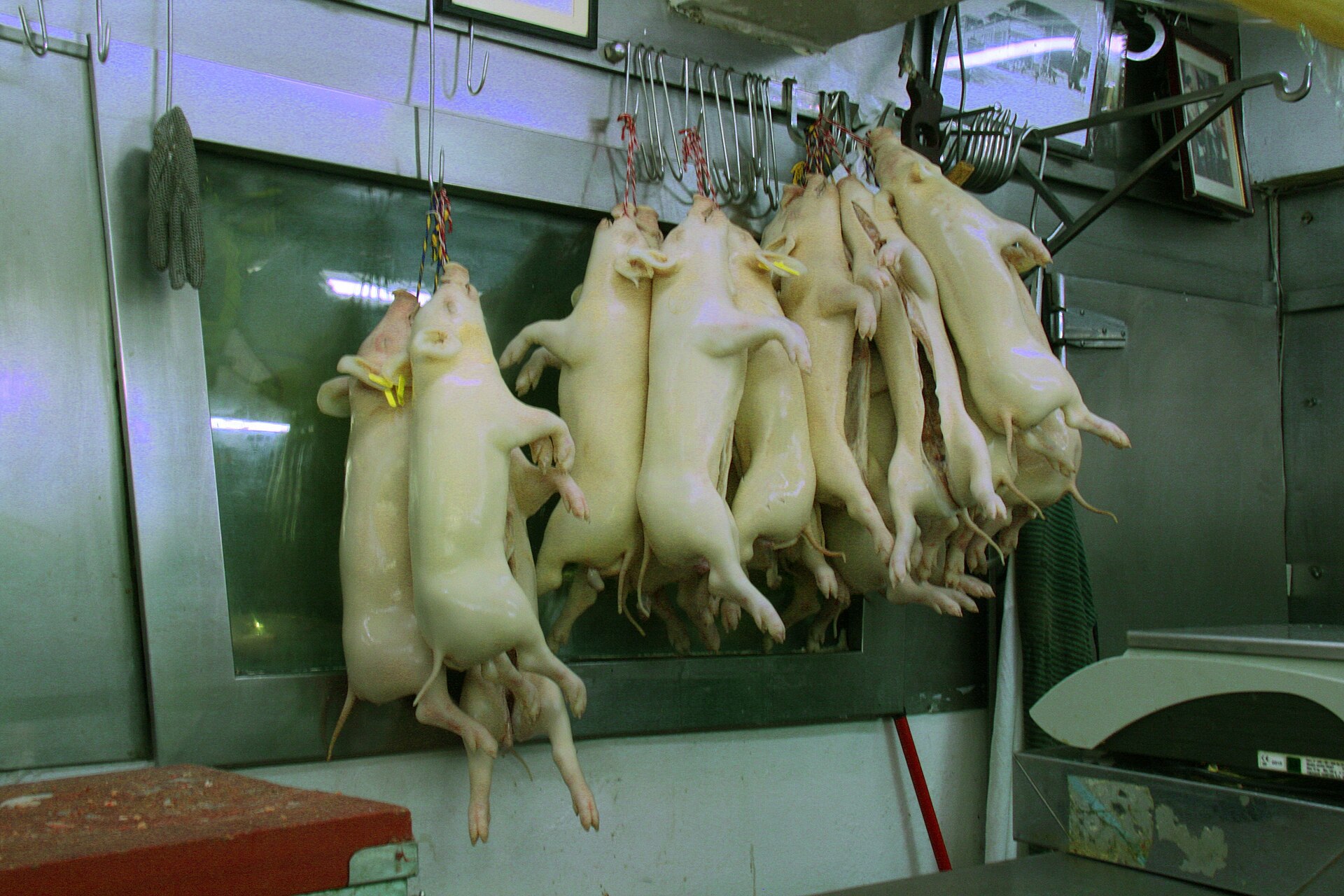
As the sun sets over a bustling Filipino town, the air fills with the tantalizing aroma of roasted pig, a sensory invitation to gather. This is lechon, a dish that transcends mere sustenance to embody the spirit of celebration, community, and tradition in the Philippines. Its golden, crispy skin glistens under the warm glow of lanterns, while the tender meat beneath beckons with promises of flavor and festivity.
Lechon, traditionally a whole roasted suckling pig, is a staple at significant events such as weddings, birthdays, and fiestas. The preparation is a labor of love, often involving family and friends who come together in a manifestation of bayanihan, the Filipino tradition of communal unity. The pig is marinated with a blend of spices, including garlic, lemongrass, and soy sauce, before being skewered and roasted over an open flame or in a specially designed oven. The result is a dish that is not only visually stunning but also a culinary triumph, with skin that crackles with each bite and meat that is succulent and flavorful.
The Cultural Significance of Lechon
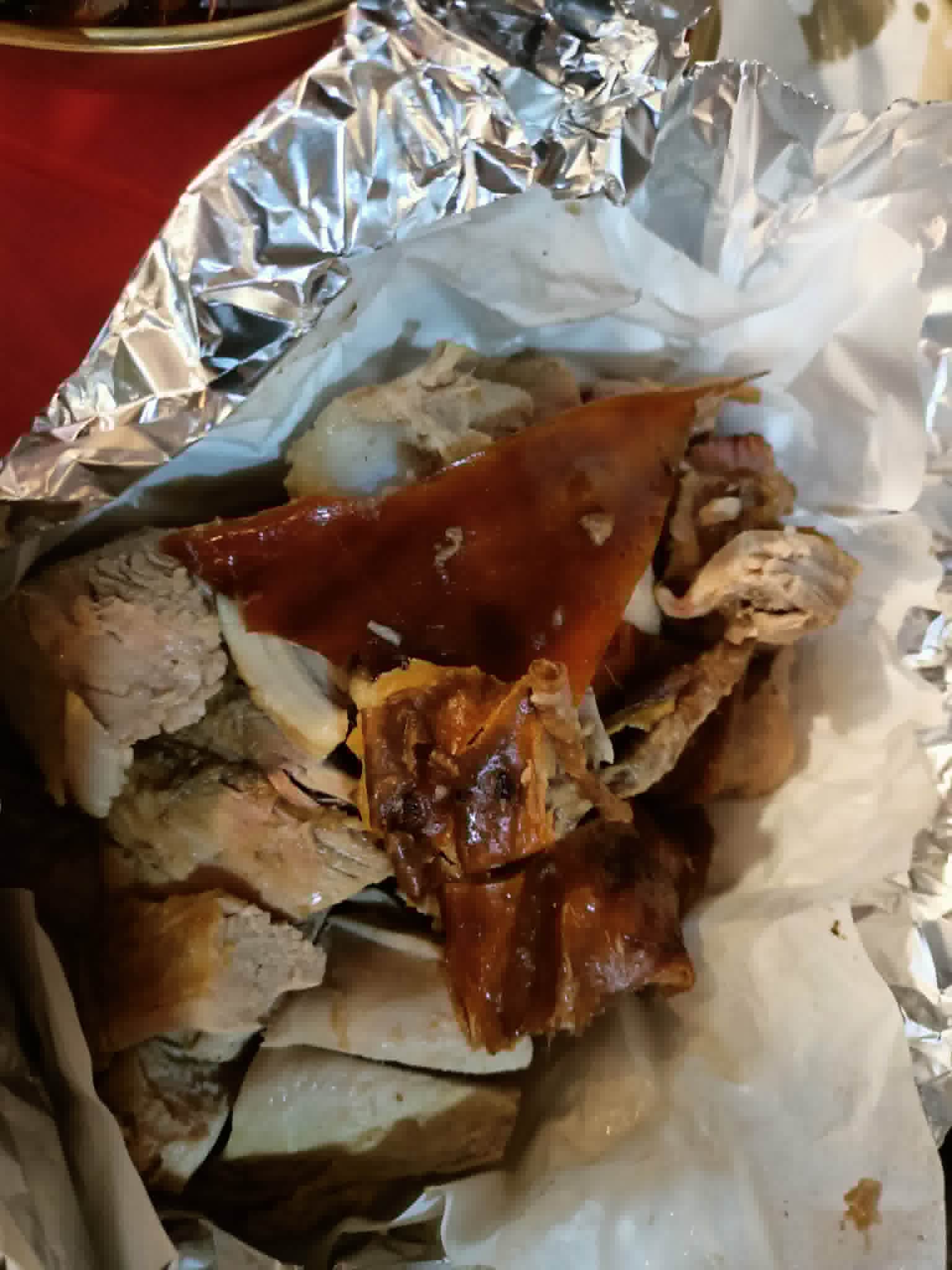
In Filipino culture, lechon is more than just food; it is a symbol of generosity and hospitality. The act of serving lechon to guests is a demonstration of utang na loob, a deep-seated sense of gratitude and obligation. It is customary for families to prepare lechon for special occasions, showcasing their culinary skills and their desire to share joy with others. The dish has become so iconic that it has earned a place in the hearts of Filipinos, both at home and abroad.
Regions across the Philippines boast their own variations of lechon. The most renowned is the Cebu lechon, celebrated for its unique flavor profile achieved through a special blend of herbs and spices. This version is often touted as the best in the country, drawing food enthusiasts from all over to experience its rich taste. In contrast, the lechon from Luzon may be stuffed with a mixture of vegetables and spices, offering a different yet equally delightful experience.
Where to Experience Lechon
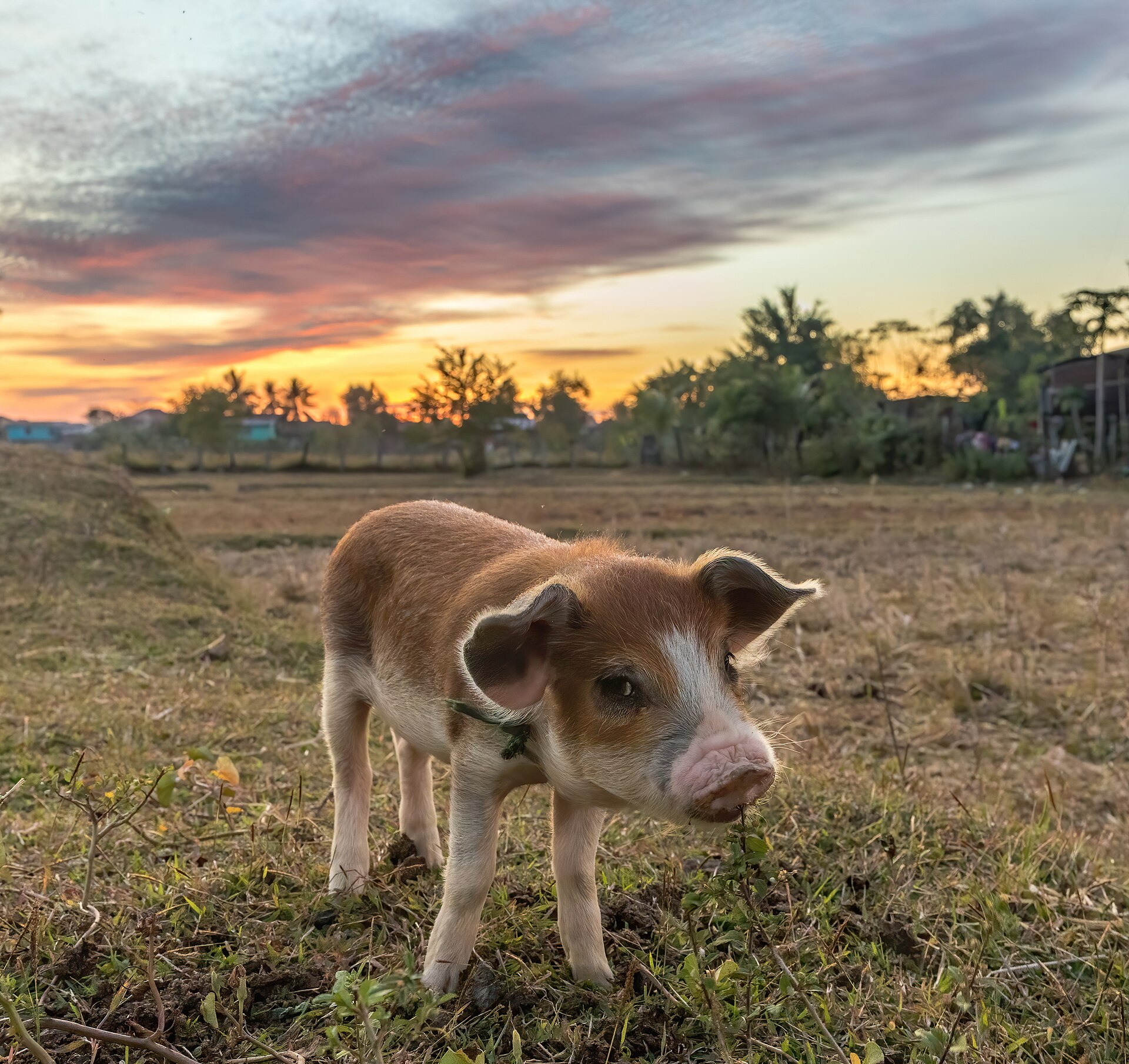
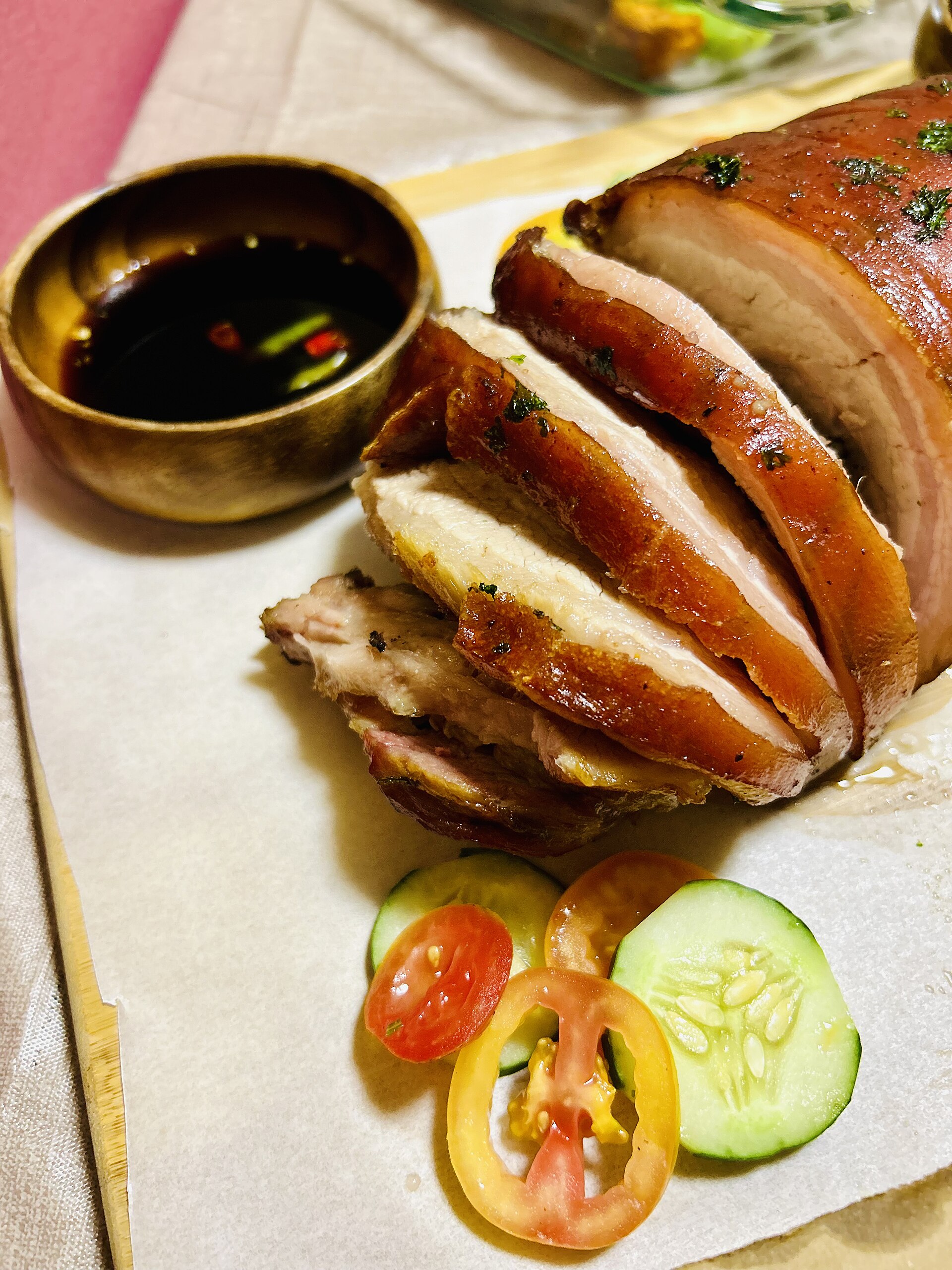
For those eager to indulge in this culinary masterpiece, the best time to visit the Philippines is during the festive season, particularly around Christmas and New Year when lechon is ubiquitous. Major cities such as Manila and Cebu host numerous restaurants and street vendors specializing in this delicacy, ensuring that visitors can savor it in various forms. From upscale dining establishments to humble roadside stalls, the options are plentiful.
While enjoying lechon, it is customary to pair it with traditional side dishes such as java rice or pancit, enhancing the overall experience. As you partake in this feast, remember to embrace the Filipino way of dining, which often involves sharing and communal enjoyment, reinforcing the bonds of friendship and family.
A Culinary Journey Worth Taking
Lechon is not merely a dish; it is a narrative woven into the fabric of Filipino culture, representing the values of community, gratitude, and celebration. For travelers seeking to immerse themselves in the rich culinary landscape of the Philippines, experiencing lechon is an essential journey that promises not only a delightful meal but also a deeper understanding of the Filipino spirit.