Philippines
El Nido: A Jewel of Palawan's Lagoons
Discover the breathtaking lagoons of El Nido, where nature's artistry meets cultural heritage in the heart of Palawan.
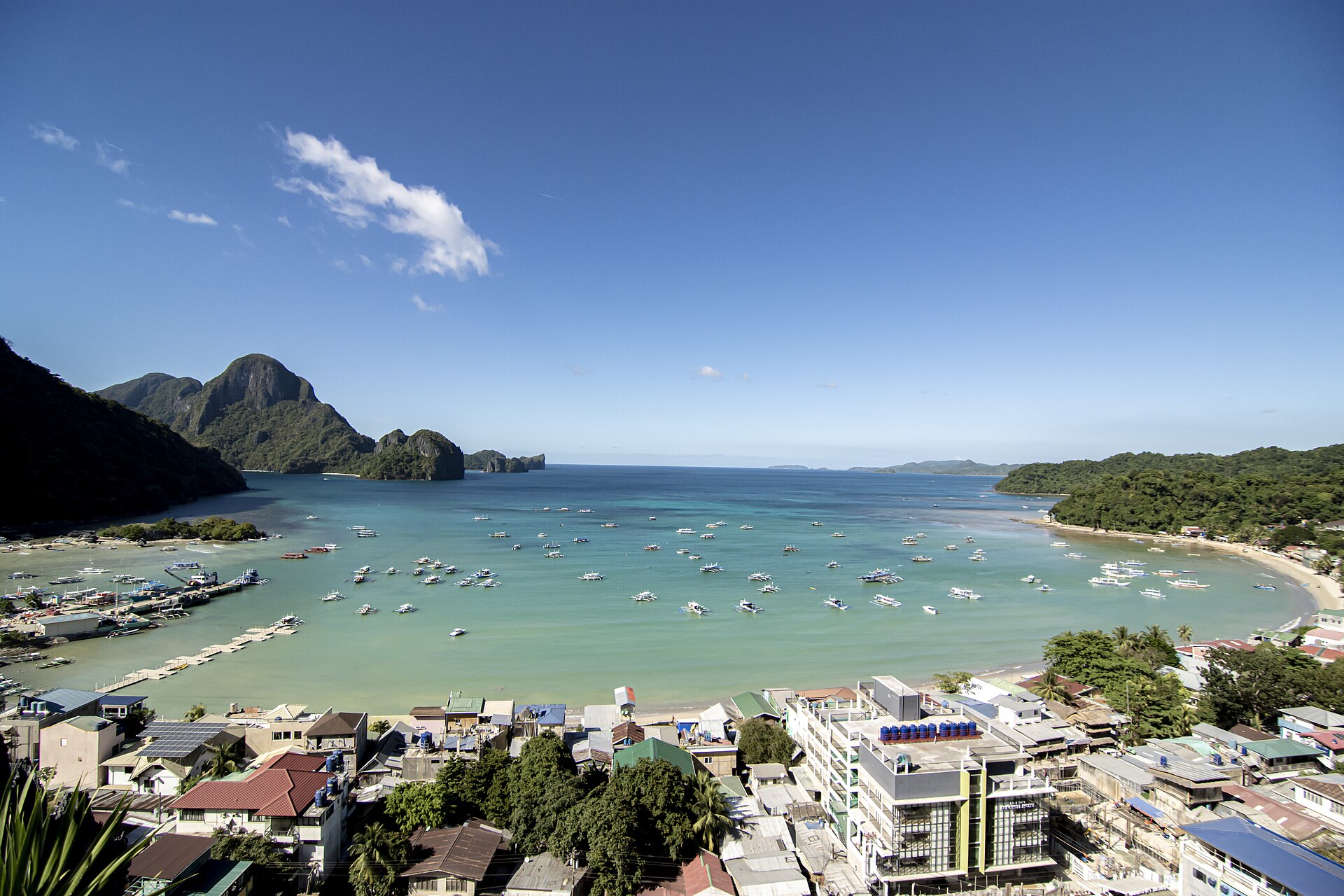
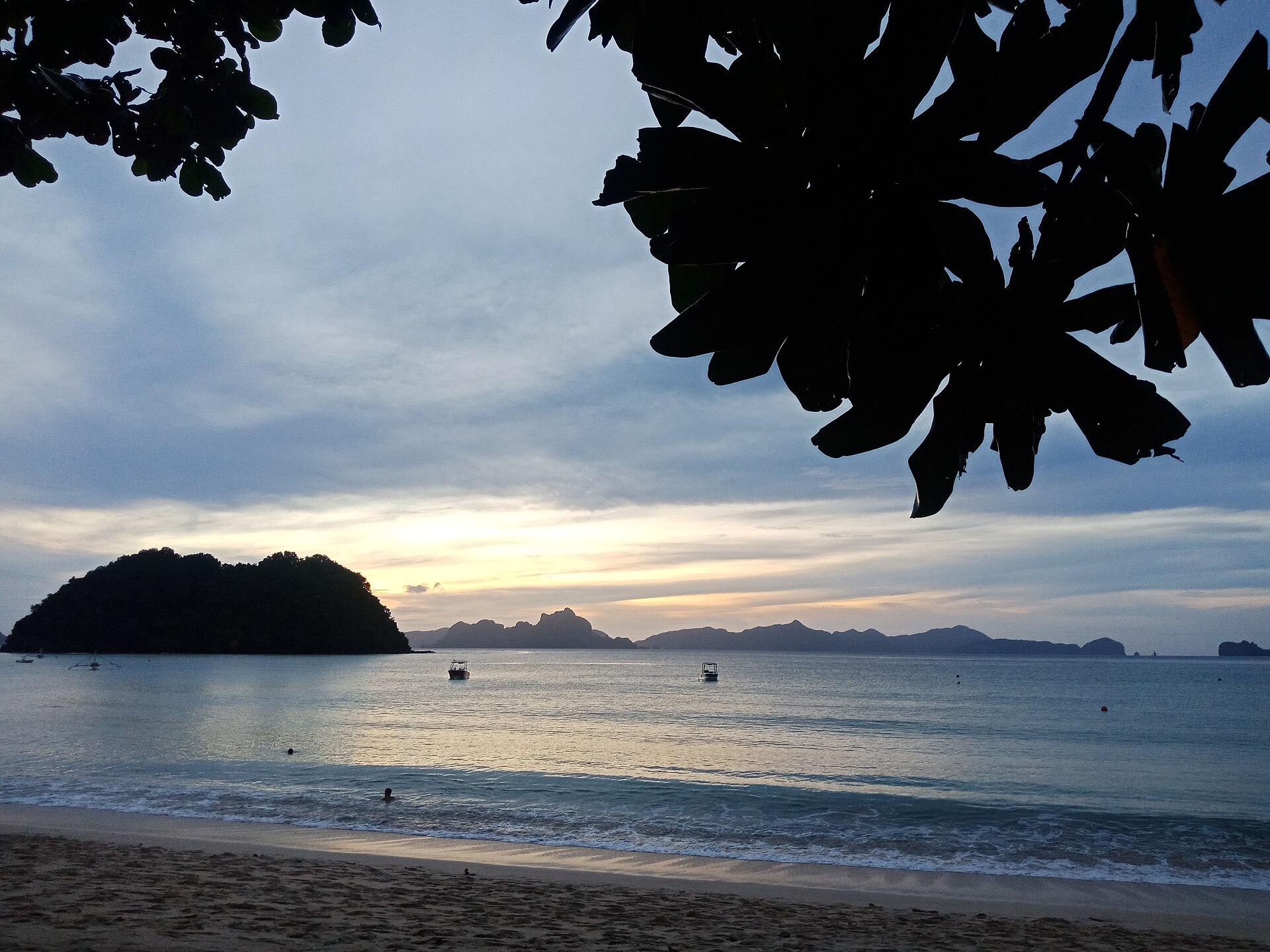
As the sun dips below the horizon, casting a golden hue over the emerald waters of El Nido, one cannot help but feel that this place is a masterpiece painted by nature itself. The lagoons, framed by towering limestone cliffs, create a surreal landscape that seems to belong to another world. Here, in the Bacuit Archipelago, the tranquility of the lagoons invites exploration, while the whispers of history echo through the winds.
El Nido, a charming municipality in Palawan, is not merely a destination; it is a manifestation of the Philippines' natural beauty and cultural richness. The name itself, which translates to 'The Nest' in Spanish, pays homage to the edible nests of swiftlets that have historically drawn traders and adventurers to its shores. These nests, prized for their culinary value, are a testament to the area’s unique biodiversity and the delicate balance of its ecosystem.
The Lagoons: Nature’s Masterpieces
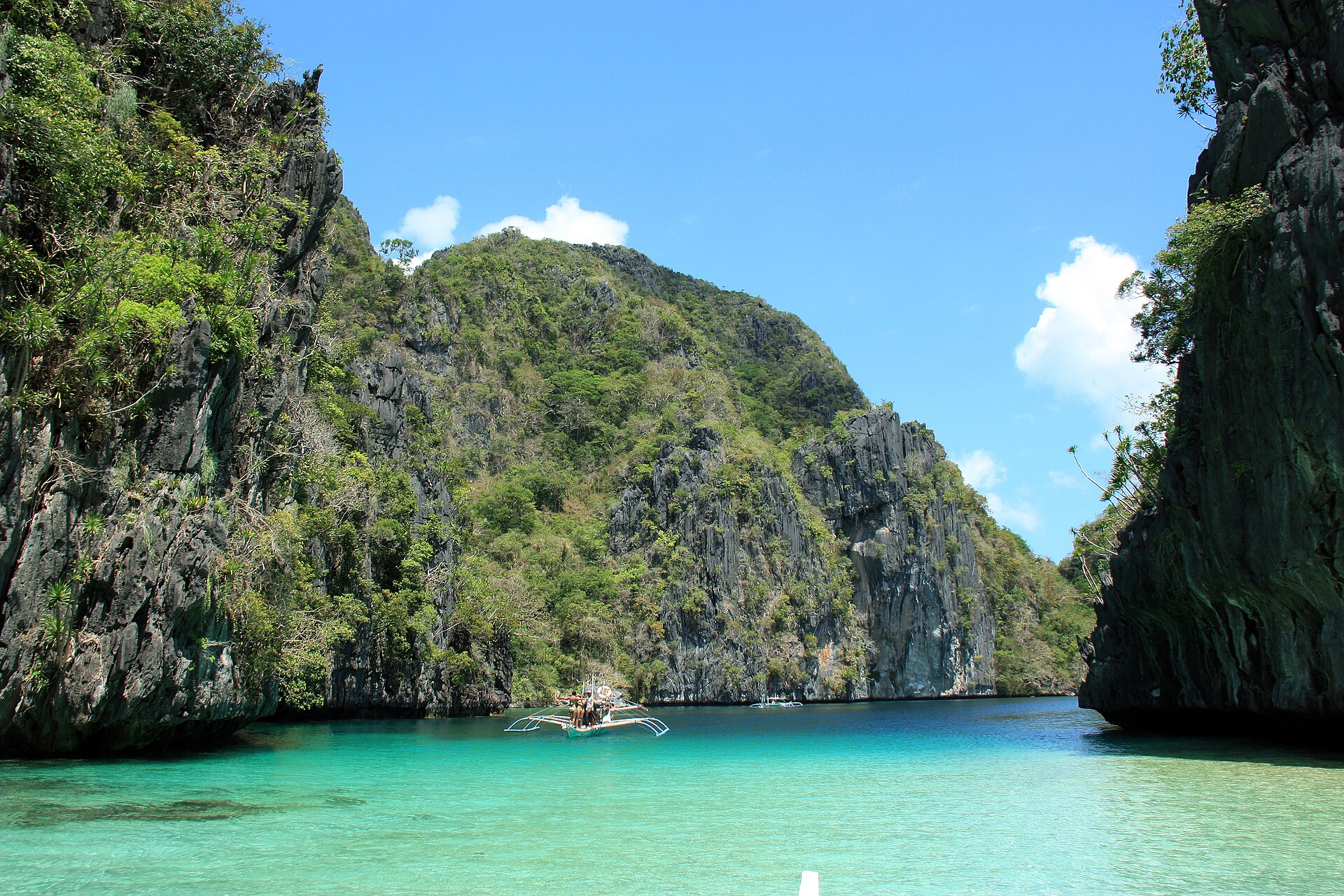
Among the many wonders of El Nido, the lagoons stand out as the crown jewels. The Big Lagoon, accessible by kayak or boat, offers a serene escape where the azure waters meet the rugged cliffs, creating a stunning contrast. As you paddle through the lagoon, schools of fish dart beneath the surface, and the occasional glimpse of a sea turtle graces your journey.
Not far from the Big Lagoon lies the Small Lagoon, a more intimate setting where the water is a deeper shade of blue, inviting visitors to dive in and explore its hidden depths. Here, the limestone formations rise dramatically, creating a natural cathedral that feels both sacred and exhilarating. These lagoons are not just a feast for the eyes; they are a sanctuary for countless marine species, making El Nido a premier destination for snorkeling and diving enthusiasts.
A Tapestry of Cultures

El Nido's allure extends beyond its natural wonders. The town is a melting pot of cultures, where the indigenous Tagbanwa and Cuyunon people coexist with a tapestry of influences from Chinese, Spanish, and more recent settlers. This rich cultural heritage is reflected in the local cuisine, which features dishes that highlight fresh seafood and traditional cooking methods. Dining on a plate of grilled fish, accompanied by a side of local vegetables, one can taste the essence of El Nido.
Visiting the local markets, one can witness the bayanihan spirit alive and well as vendors share their stories and laughter, creating a sense of community that is palpable. Engaging with the locals, whether through a shared meal or a simple conversation, reveals the warmth and hospitality that characterize the people of El Nido.
Practical Insights for the Adventurous Traveler
Reaching El Nido requires a bit of effort, but the journey is well worth it. Located approximately 420 kilometers southwest of Manila, the most common route involves a flight to Puerto Princesa, followed by a scenic van ride to El Nido. The best time to visit is during the dry season, from December to May, when the weather is most favorable for exploring the lagoons and enjoying the pristine beaches.
While El Nido has become increasingly popular among tourists, it is essential to approach this paradise with respect and mindfulness. The local government has implemented measures to protect its natural resources, and visitors are encouraged to practice sustainable tourism by minimizing waste and respecting marine life. Additionally, understanding the local customs, such as greeting with a smile and showing appreciation for the culture, goes a long way in fostering goodwill.
In conclusion, El Nido is not merely a destination; it is an experience that captivates the heart and soul. From the breathtaking lagoons to the rich tapestry of cultures, every moment spent here is a reminder of the beauty and resilience of nature and humanity. As you leave this enchanting place, the memories of its lagoons and the warmth of its people will linger long after the sun has set.