Myanmar
Women Poets of Myanmar's Spring Revolution: A Voice of Courage
Amidst the turmoil of Myanmar's political landscape, a new generation of women poets emerges, using their craft to express resilience and hope.
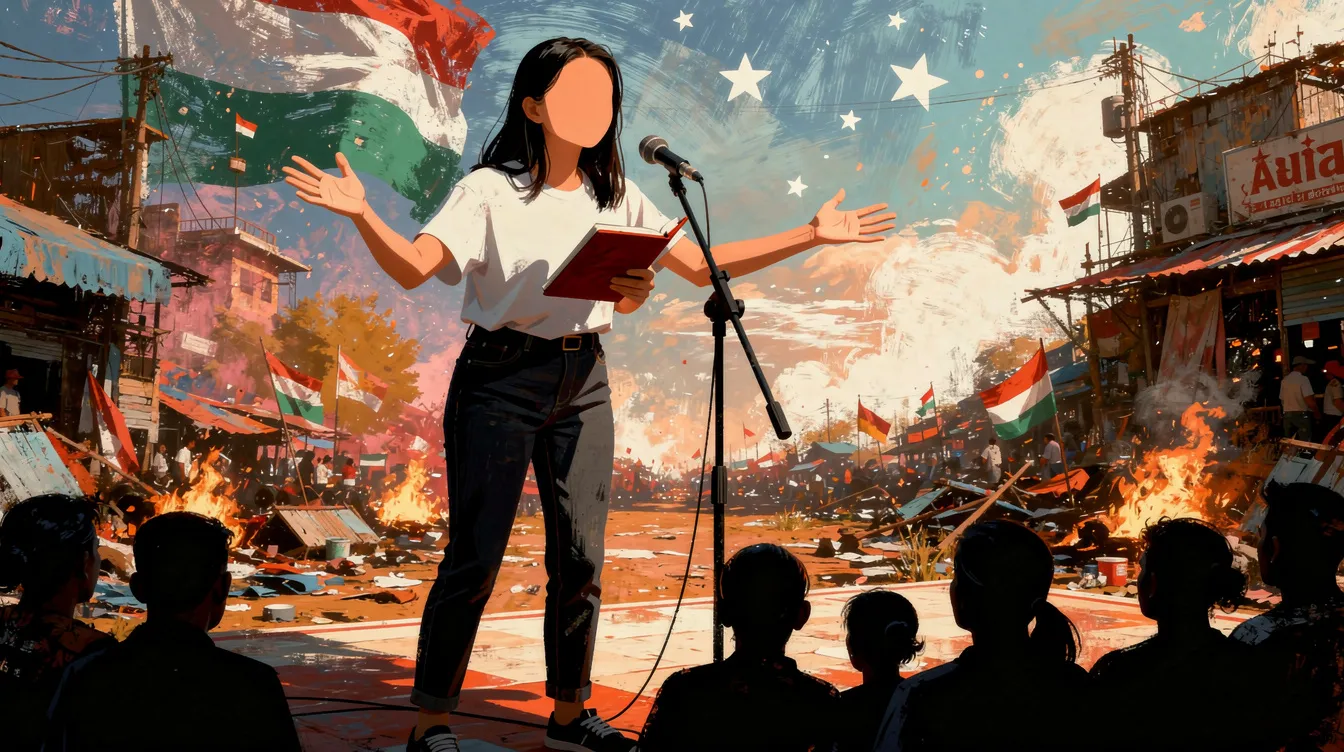
In the midst of Myanmar's ongoing political upheaval, a vibrant movement of women poets has emerged, crafting a new narrative that reflects their courage and resilience. This literary renaissance is particularly significant as it contrasts with the historical context of censorship that has long stifled creative expression in the country.
According to Myanmar Now, these women poets, often referred to as 'poet-soldiers,' are not only addressing the immediate struggles of their society but are also redefining what it means to write in a time of crisis. One poet indicated that they cannot write as before, as their words now carry the weight of their experiences and the hope for a better future. This sentiment captures the essence of their work, which seeks to inspire and unite people amidst the chaos of the Spring Revolution.
As reported, the Spring Revolution has catalyzed a wave of activism and artistic expression, with these poets drawing from their personal experiences of loss, trauma, and resistance. Their poetry serves as a powerful tool for advocacy, aiming to raise awareness about the ongoing conflict and its impact on everyday lives. The women are not just chronicling their pain but are also envisioning a future where peace and justice prevail.
Furthermore, the rise of these poets highlights a broader trend in Myanmar's literary landscape, where traditional forms of expression are being challenged and transformed. Historically, Burmese literature has been shaped by the influences of colonialism and censorship, with many writers forced to navigate a complex relationship with authority. Today, however, these women are reclaiming their voices, using poetry as a means of resistance against oppression.
In this context, the emergence of female poets is particularly noteworthy. They are not only contributing to the literary canon but are also shaping the cultural discourse surrounding the revolution. Their work resonates with a younger generation that seeks to engage with the realities of their society through art. As one poet noted, their words are their weapons, and they write to fight for their rights and the rights of others. This powerful assertion underlines the transformative potential of poetry in times of struggle.
As Myanmar continues to navigate the challenges of conflict and displacement, the voices of these women poets will likely play a crucial role in shaping the narrative of the Spring Revolution. Their courage and creativity stand as a testament to the enduring power of literature to inspire change and foster solidarity in the face of adversity.