Myanmar
Mrauk U: The Forgotten Kingdom of Rakhine
Discover the ancient ruins and rich history of Mrauk U, a hidden gem in Myanmar that once thrived as a powerful kingdom.
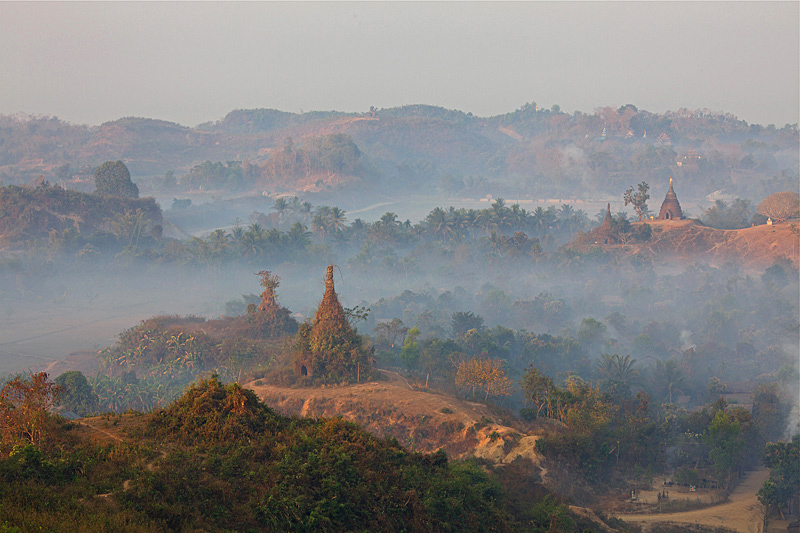
In the quiet embrace of Rakhine State, where the hills cradle the remnants of a once-great kingdom, lies Mrauk U, a town that whispers tales of glory and trade. As the morning mist envelops the ancient ruins, the air is thick with history, inviting the curious traveler to step back in time. Here, the crumbling walls of the Shitthaung Pagoda rise like silent sentinels, each stone a testament to the artistic prowess of the Arakanese people who built them.
Mrauk U, known as Myohaung, served as the capital of the Arakan Kingdom from 1430 until its fall in 1785. At its zenith, it was a bustling hub where Portuguese, Dutch, and Bengali traders mingled with local royalty. The town's name, meaning 'The First Accomplishment' in archaic Arakanese, reflects its storied past, marked by victories and cultural exchanges that shaped the region.
The Ruins of a Kingdom
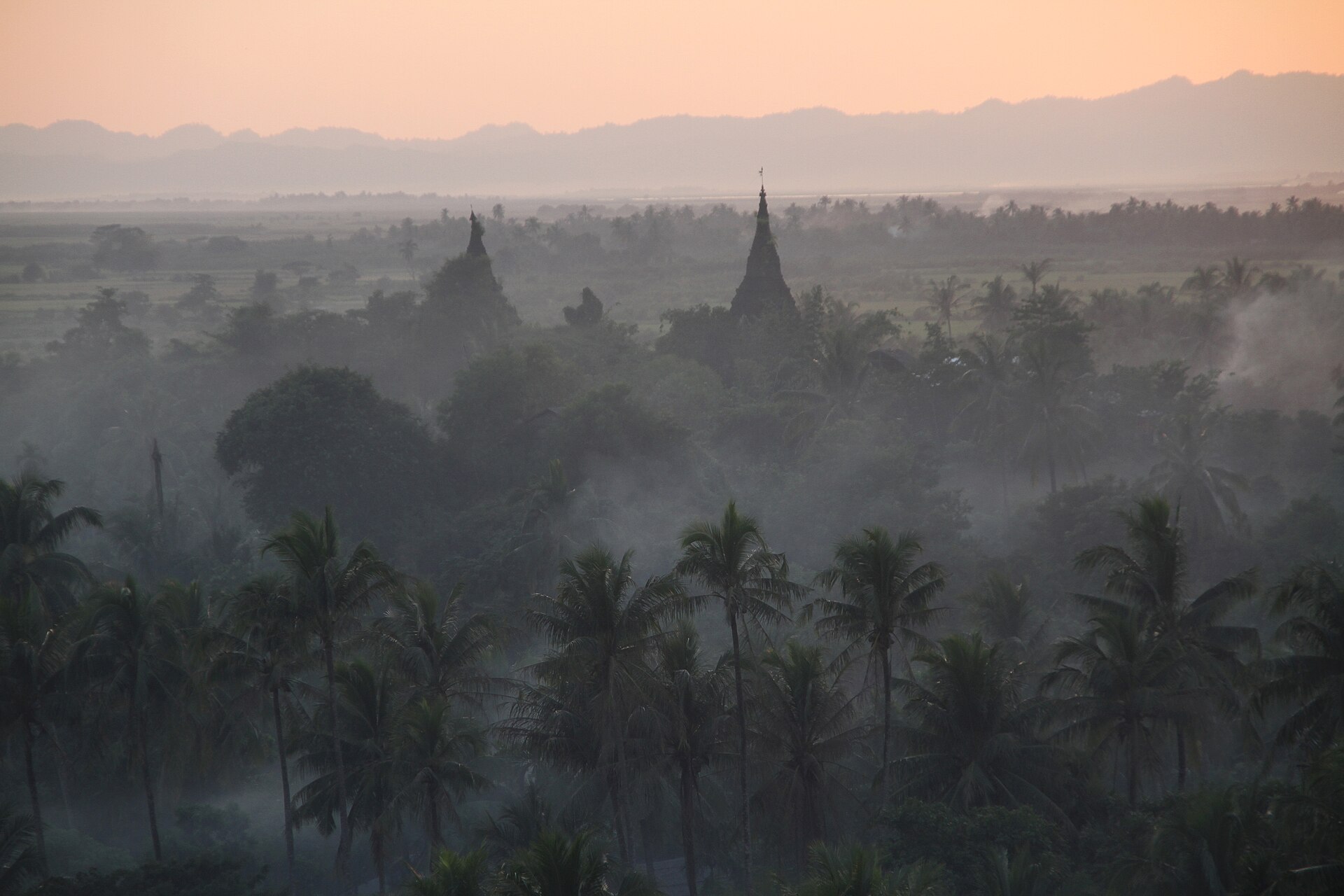
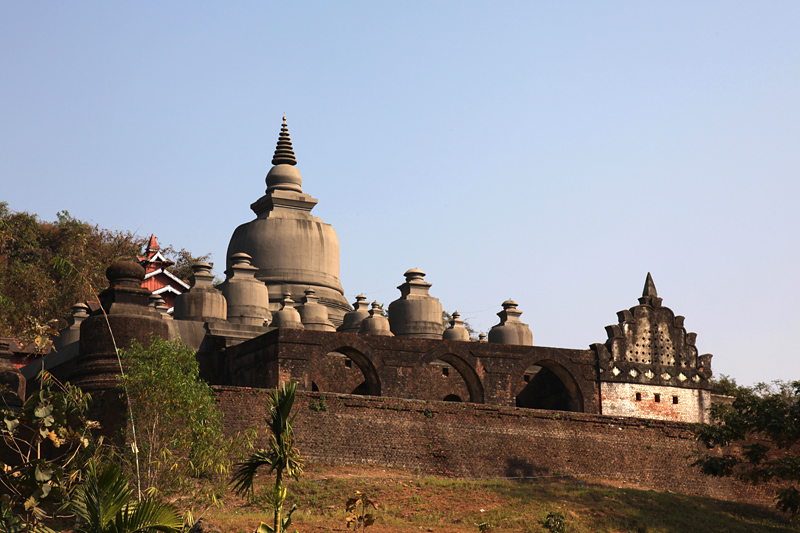
As you wander through the narrow pathways, each turn reveals a new marvel. The Shitthaung Pagoda, built in 1535, is adorned with intricate carvings depicting the 550 Jataka tales, illustrating the life of the Buddha. Nearby, the Htukkam Thein Temple stands in quiet dignity, its corridors lined with over 140 Buddha statues, each one a silent guardian of the past.
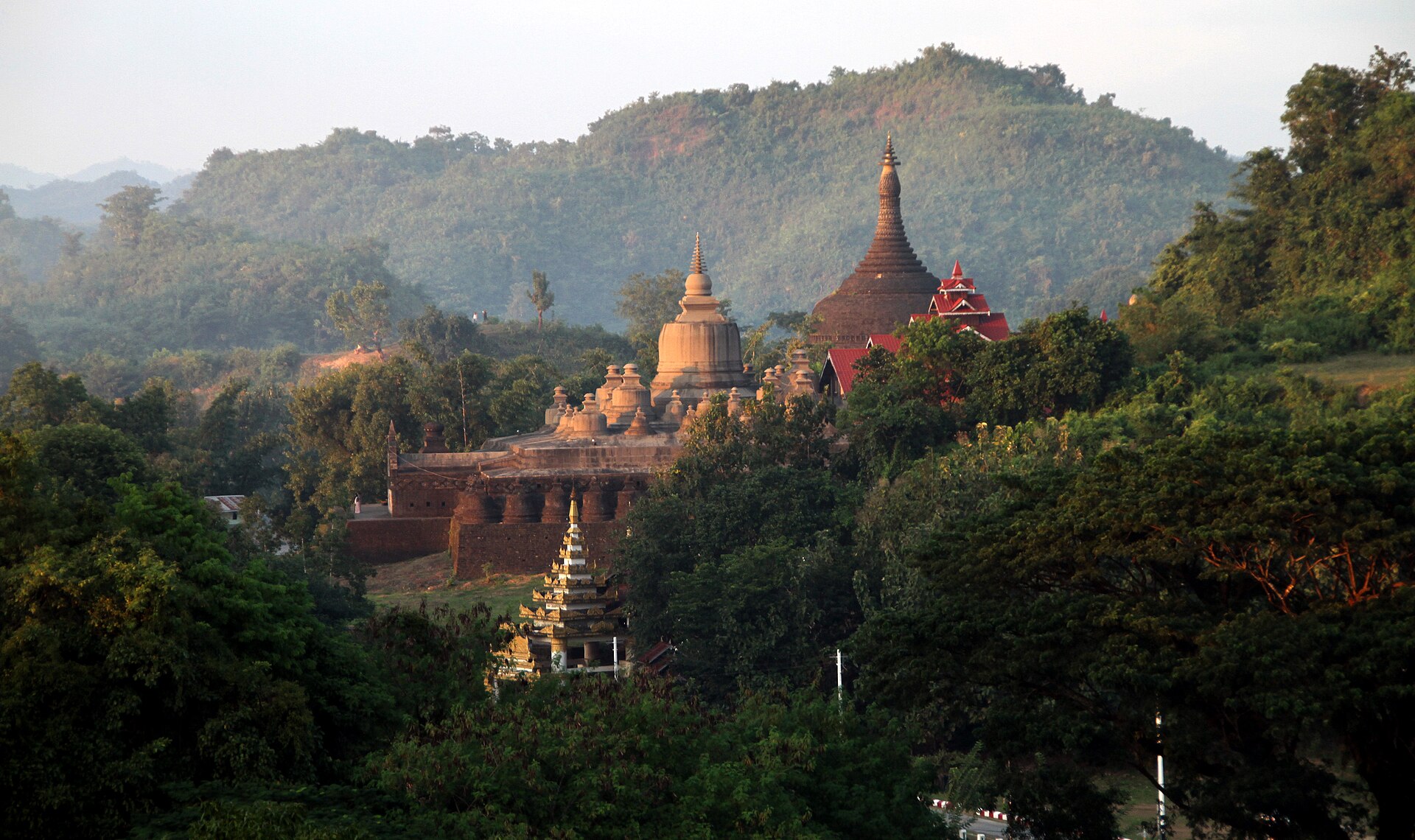
For those willing to venture further, the Koe Thaung Temple, once the largest in Mrauk U, offers a glimpse into the architectural grandeur of the Arakanese. Though time has weathered its structure, the temple's spirit remains, inviting visitors to ponder the stories etched into its walls.
Getting There and Around
Reaching Mrauk U requires a sense of adventure. The town is accessible by bus or boat from Sittwe, a journey that can take several hours but rewards with scenic views of the lush landscape. Once in Mrauk U, bicycles are the preferred mode of transport, allowing for leisurely exploration of the surrounding countryside and its hidden gems.
The best time to visit is between November and mid-March when the weather is cooler, and the landscape is often shrouded in enchanting mists. As you traverse the ancient paths, remember to pay the city fee at the Shitthaung Pagoda, a small price for the privilege of stepping into a living museum.
Beyond the Ruins
While the ruins are the main draw, Mrauk U offers more than just historical sites. The surrounding villages, home to the Chin people, provide a glimpse into traditional lifestyles that have remained unchanged for centuries. Day trips can be arranged to these semi-remote villages, where the warmth of local hospitality awaits.
The landscape itself is a tapestry of hills, marshes, and rivers, perfect for those who appreciate nature's beauty. Sunset views from Letse Kan Gate or Sunrise Hill are breathtaking, as the sun dips below the horizon, casting a golden hue over the ancient pagodas.
Mrauk U may not be as well-known as Bagan, but it offers an authentic experience of Myanmar's rich history and culture. As you stand amidst the ruins, the echoes of the past resonate, reminding us of a time when this town was a vibrant center of trade and culture. In the heart of Rakhine, Mrauk U awaits, a hidden treasure for those willing to discover its secrets.