Malaysia
Oil Prices Plummet Amid US-Iran Negotiations
Recent comments from US President Donald Trump regarding Iran have led to significant drops in oil prices, reflecting ongoing geopolitical tensions.
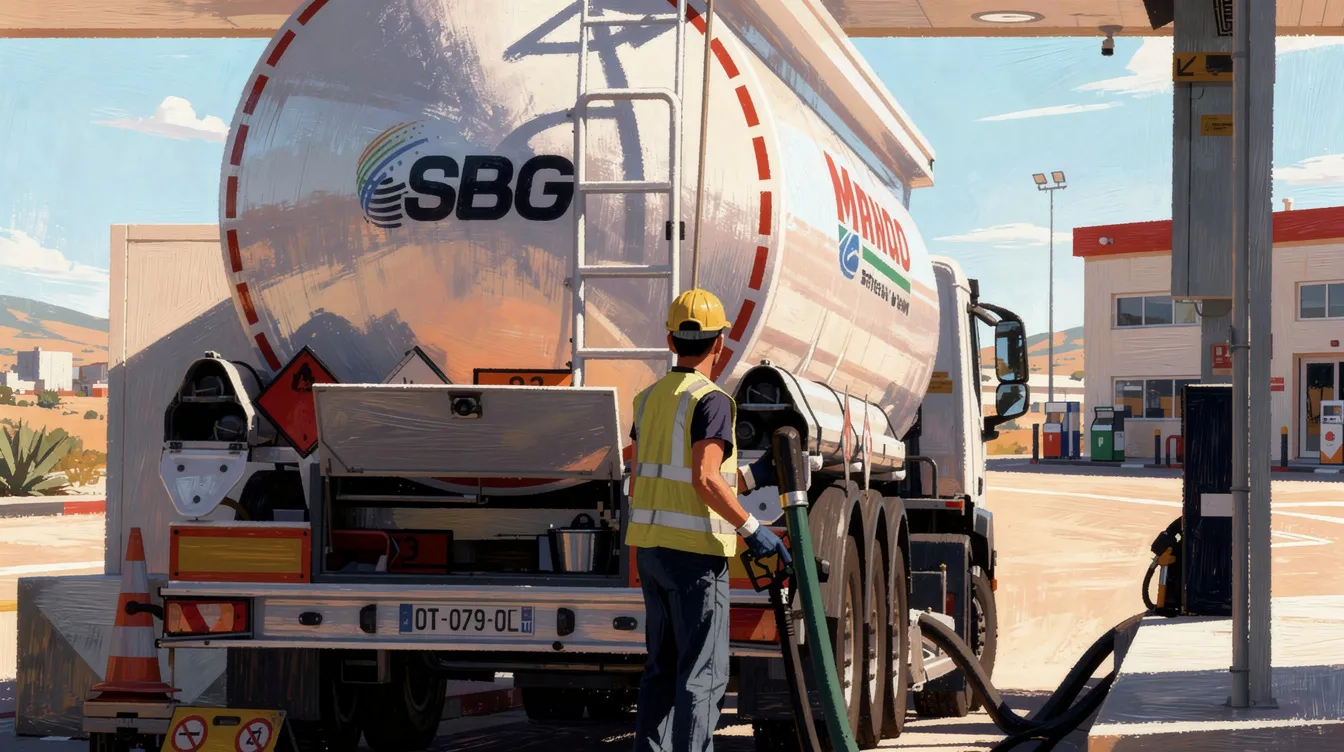
Oil prices have experienced a significant decline, with Brent crude falling approximately 5% to around $83.81 per barrel, while West Texas Intermediate (WTI) dropped to about $80.72 per barrel. This drop follows US President Donald Trump's announcement of renewed negotiations with Iran, which analysts believe could ease tensions in the region and stabilize oil supply routes.
The decline in oil prices is attributed to Trump's decision to hold off on military strikes against Iran, opting instead for diplomatic discussions. Trump mentioned that the US was engaging in negotiations, which would begin the following afternoon, although he did not provide specifics about the talks' participants or location, according to reports from Free Malaysia Today.
The backdrop to these negotiations is the ongoing conflict that began in late February when the United States and Israel launched attacks against Iran, effectively closing the Strait of Hormuz, a critical conduit for global oil and gas supplies. Analysts have noted that the closure of this waterway has led to heightened volatility in oil prices, with fluctuations reflecting market reactions to geopolitical developments.
In the wake of Trump's comments, the market reacted strongly, with Brent crude prices dropping nearly 5% in a single day. According to analysts at Business Today, the potential for a diplomatic resolution could lead to further stabilization in oil prices, but uncertainties remain.
As the situation develops, the market is likely to remain reactive to any updates from the region. The recent fluctuations highlight the interconnectedness of global oil markets and the impact of geopolitical events on pricing. The ongoing discussions may provide a temporary reprieve for oil prices, but the long-term outlook will depend on the outcomes of these negotiations and the broader geopolitical landscape.