Malaysia
Nasi Lemak: Malaysia's Creamy Culinary Crown Jewel
Discover the rich history and flavors of Malaysia's beloved national dish, nasi lemak, and explore how it embodies the country's diverse culture.
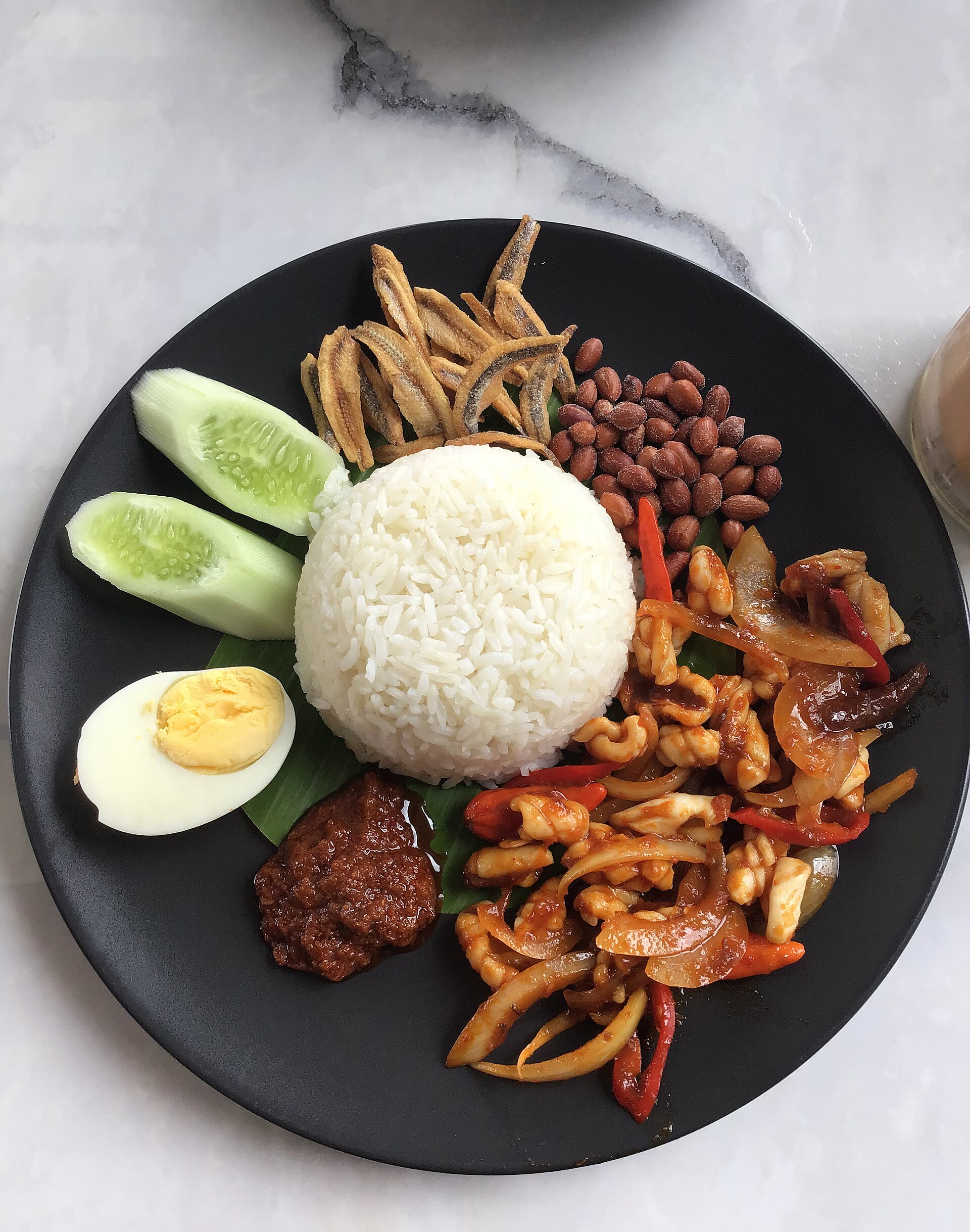
In the bustling streets of Kuala Lumpur, the aroma of nasi lemak wafts through the air, drawing in locals and tourists alike. This beloved dish, often recognized as Malaysia's national treasure, offers a delightful combination of creamy coconut rice, spicy sambal, and a medley of accompaniments that tell the story of Malaysia's diverse culinary heritage.
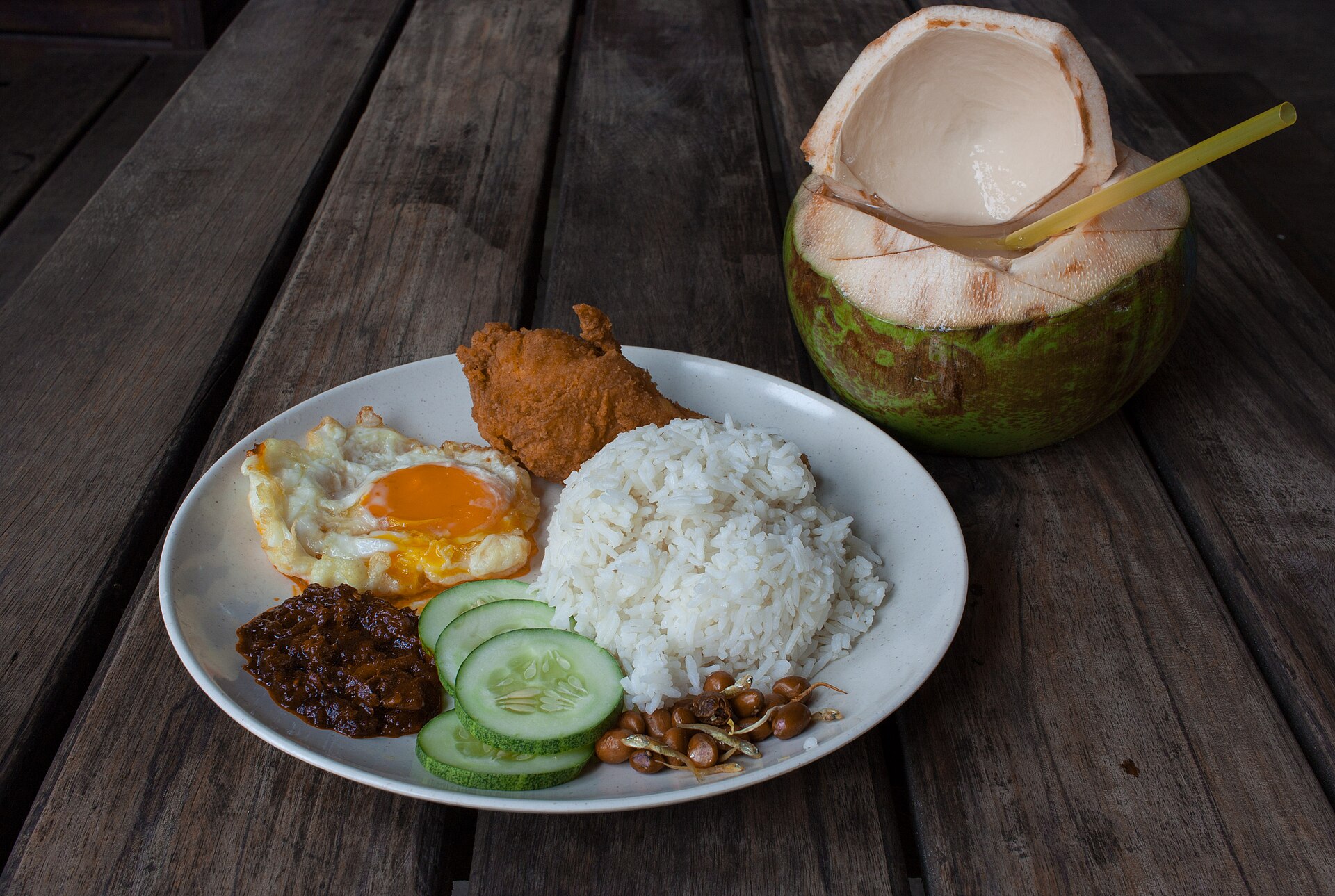
The origins of nasi lemak date back to the 19th century, with its name translating to 'rich rice' or 'fatty rice,' a nod to the creamy texture imparted by the coconut milk used in cooking. Legend has it that a young girl named Seri in Malacca accidentally created this dish when she spilled coconut milk into rice. Her mother, asking what she was preparing, received the now-famous reply: "Nasi le, mak"—"just rice, Mom." This charming anecdote highlights how simple beginnings can lead to culinary greatness.
What Makes Nasi Lemak Special
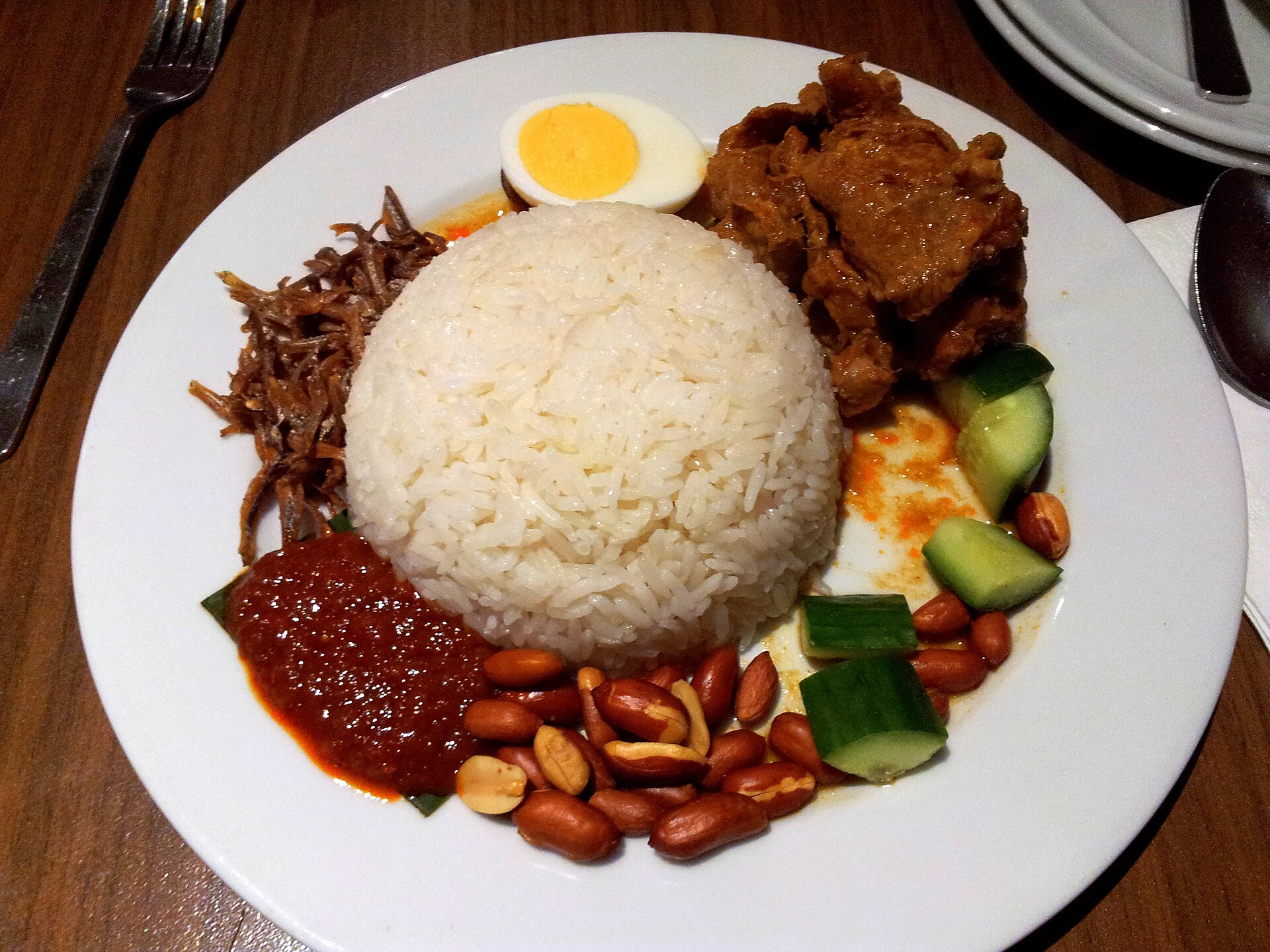
At its core, nasi lemak is a celebration of flavors and textures. The rice is steamed with pandan leaves, infusing it with a fragrant aroma. Traditionally, it is served wrapped in banana leaves, enhancing its taste while offering an eco-friendly dining option. The dish typically includes sambal, a spicy chili paste that varies in heat, fried anchovies (ikan bilis), roasted peanuts, and slices of cucumber. For those seeking a heartier meal, options like fried chicken (ayam goreng) or beef rendang can be added, transforming it from a breakfast staple to a fulfilling lunch or dinner.
In Malaysia, every region boasts its unique twist on nasi lemak. In Alor Setar, locals enjoy a yellow version known as nasi lemak kuning, which is often paired with rich curries. Meanwhile, in Terengganu, mackerel tuna is a popular addition. The variations reflect the diverse cultures that have influenced Malaysian cuisine, from Malay to Indian and Chinese, each adding their own flair to this iconic dish.
Where to Experience Nasi Lemak
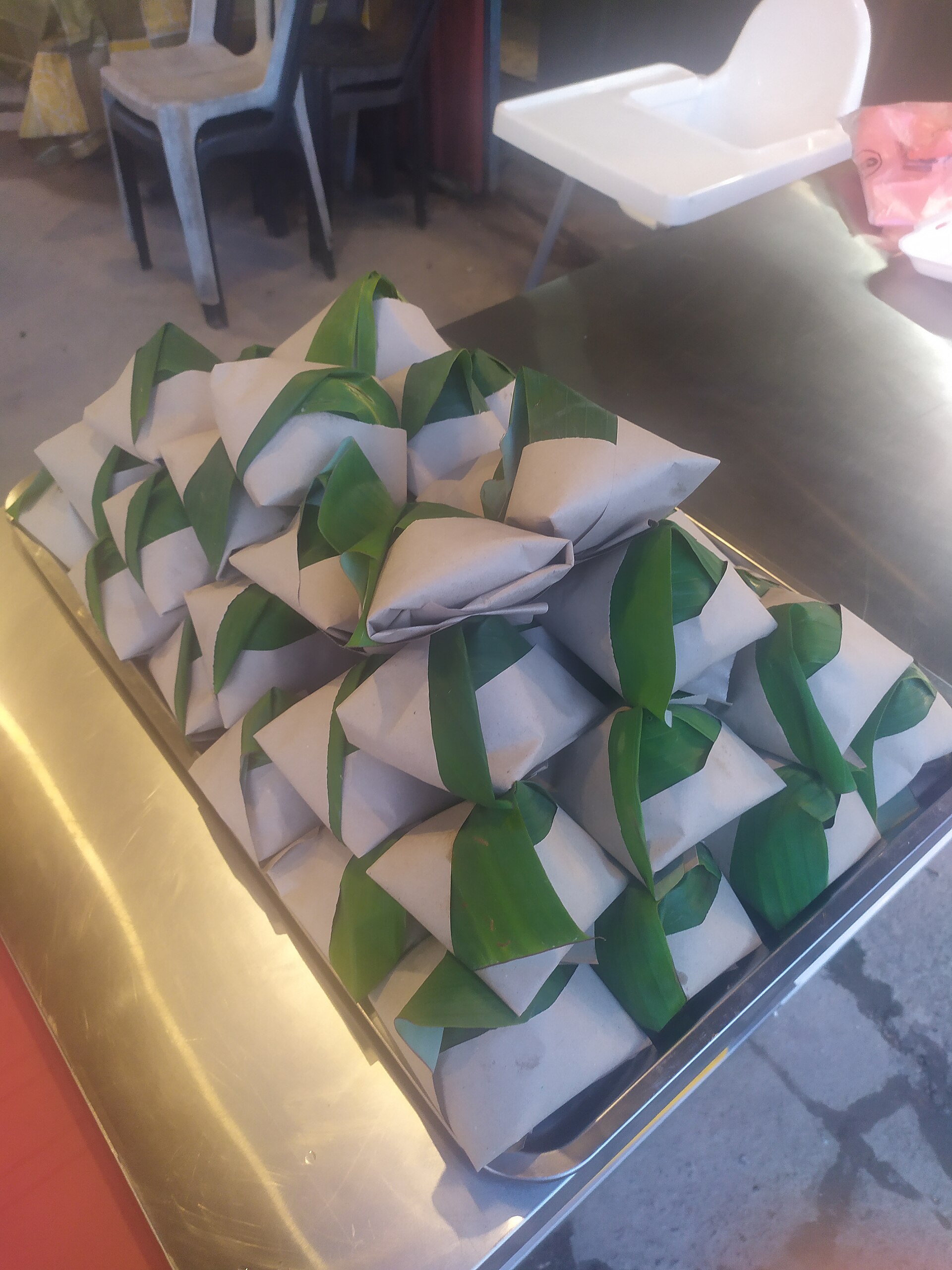
To truly appreciate nasi lemak, one must experience it in its natural habitat: the hawker center. These bustling food courts are the heart of Malaysian street food culture, where vendors serve up fresh, affordable meals. A typical plate of nasi lemak can cost as little as RM2.00 (around $0.49 USD), making it accessible to everyone. As you savor each bite, you can observe the vibrant tapestry of local life, where families gather and friends share stories over steaming plates of food.
For those venturing beyond the capital, the dish can be found in various forms across the country. In Penang, the Chinese variation may include pork, while in the Cameron Highlands, strawberries are added to the sambal, creating a unique twist. Each region offers a different experience, inviting you to explore the rich tapestry of flavors that define Malaysian cuisine.
As you indulge in this creamy dish, remember that nasi lemak is more than just a meal; it's a cultural experience that embodies the spirit of Malaysia. Whether enjoyed at a street stall or a fine dining restaurant, each plate tells a story of tradition, innovation, and the enduring love for food that unites this diverse nation.