Laos
The Enigmatic Plain of Jars: A Journey Through Time in Laos
Explore the ancient mysteries of the Plain of Jars, a UNESCO World Heritage site where history, culture, and nature intertwine.
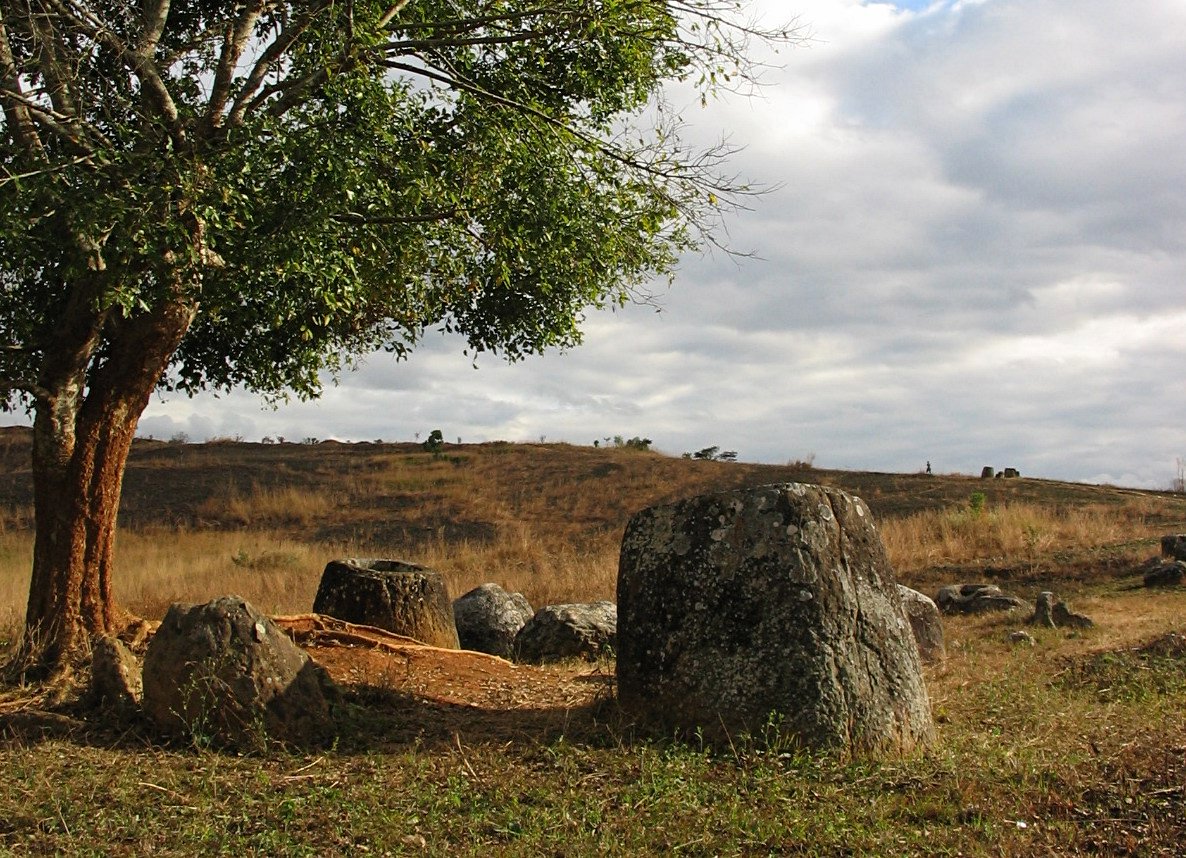
As dawn breaks over the Xiangkhoang Plateau, a soft mist blankets the landscape, revealing silhouettes of ancient stone jars scattered across the rolling hills. The Plain of Jars, a UNESCO World Heritage site, is more than just a collection of megaliths; it is a testament to a civilization that thrived thousands of years ago, leaving behind an enduring enigma.
Located in central Laos, the Plain of Jars consists of over 2,100 stone jars, varying in height from one to three meters, arranged in clusters across several sites. The most visited, Site 1, is a short distance from the town of Phonsavan, where the journey begins. Here, the jars stand solemnly, their surfaces worn by time and the elements, whispering secrets of ancient burial practices and cultural significance.
The Mysteries of the Jars
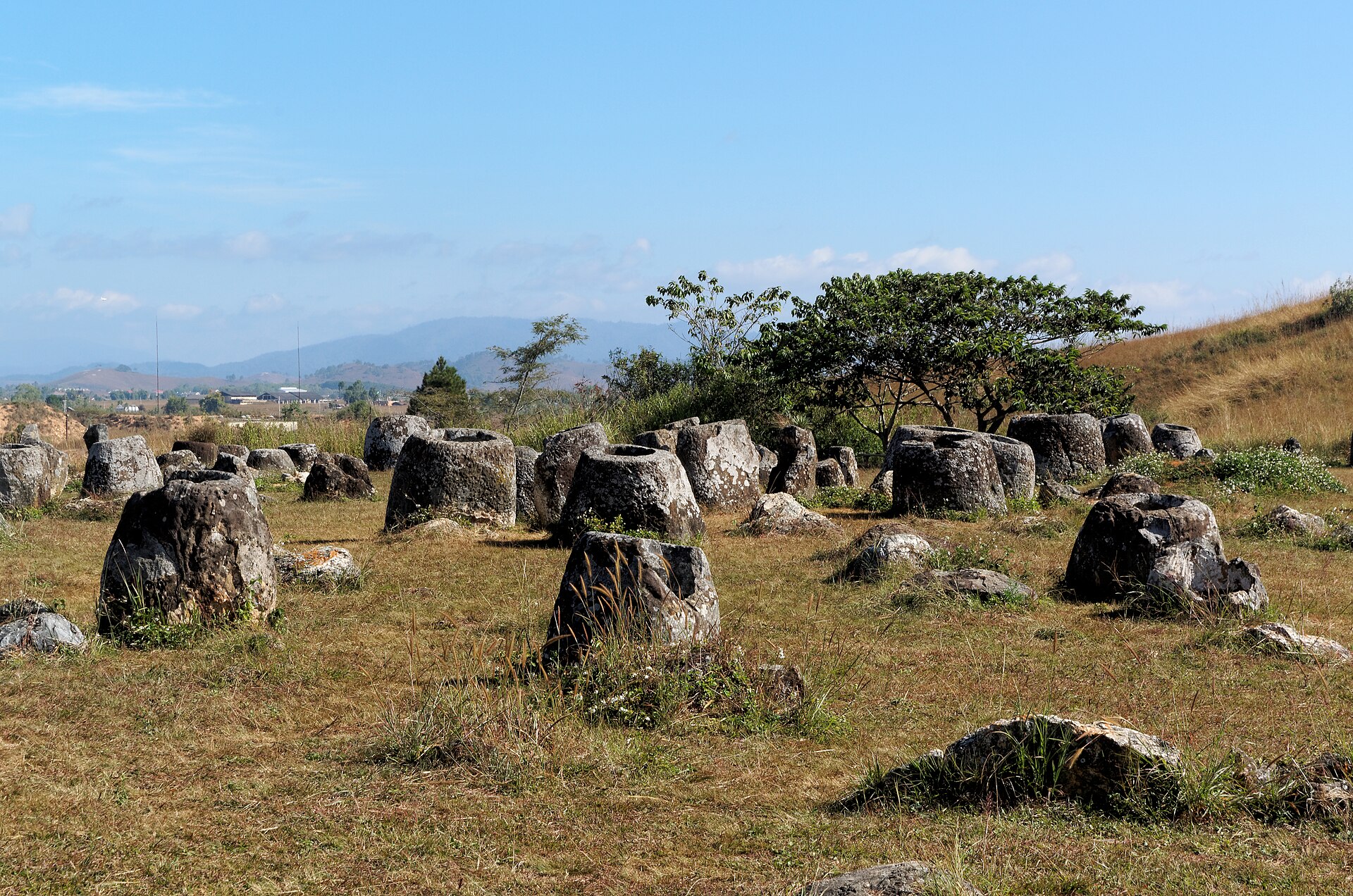
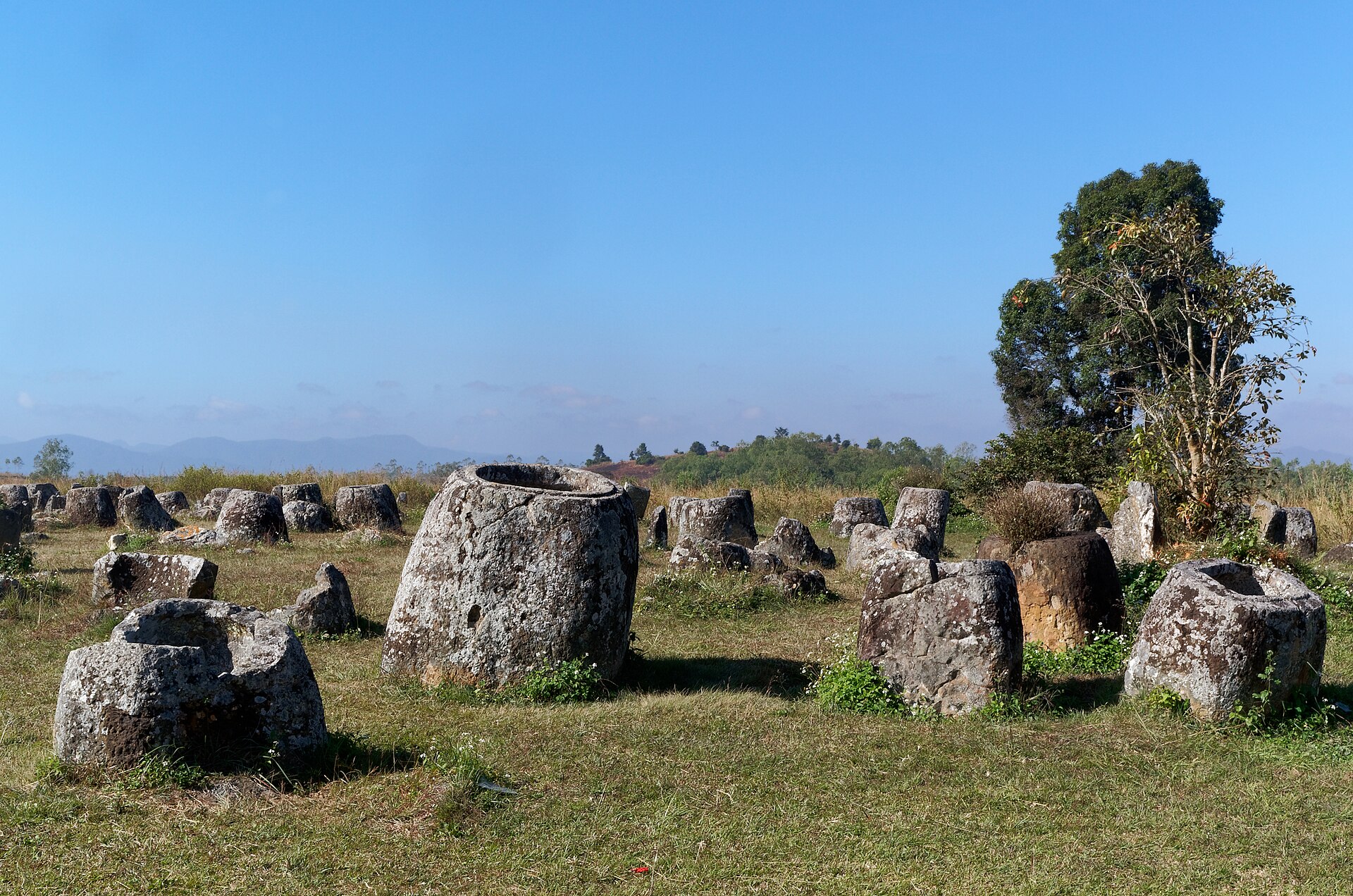
Archaeological research suggests that these jars, dating back to as early as 1240 BC, were used in burial rituals, possibly to store human remains before cremation. Excavations have uncovered bones, pottery, and burial goods, hinting at the complex beliefs of the Phuan, Hmong, Khmu, and Tai Dam cultures that once inhabited this region. Yet, the exact purpose of the jars remains a mystery, captivating researchers and visitors alike.
As you wander through the grassy fields dotted with these ancient relics, you may encounter local villagers who share their stories. Many have creatively repurposed remnants from the Indochina War, using bomb fragments as spoons or incorporating them into their homes, a testament to resilience and adaptation amidst a turbulent history.
Getting There and Exploring
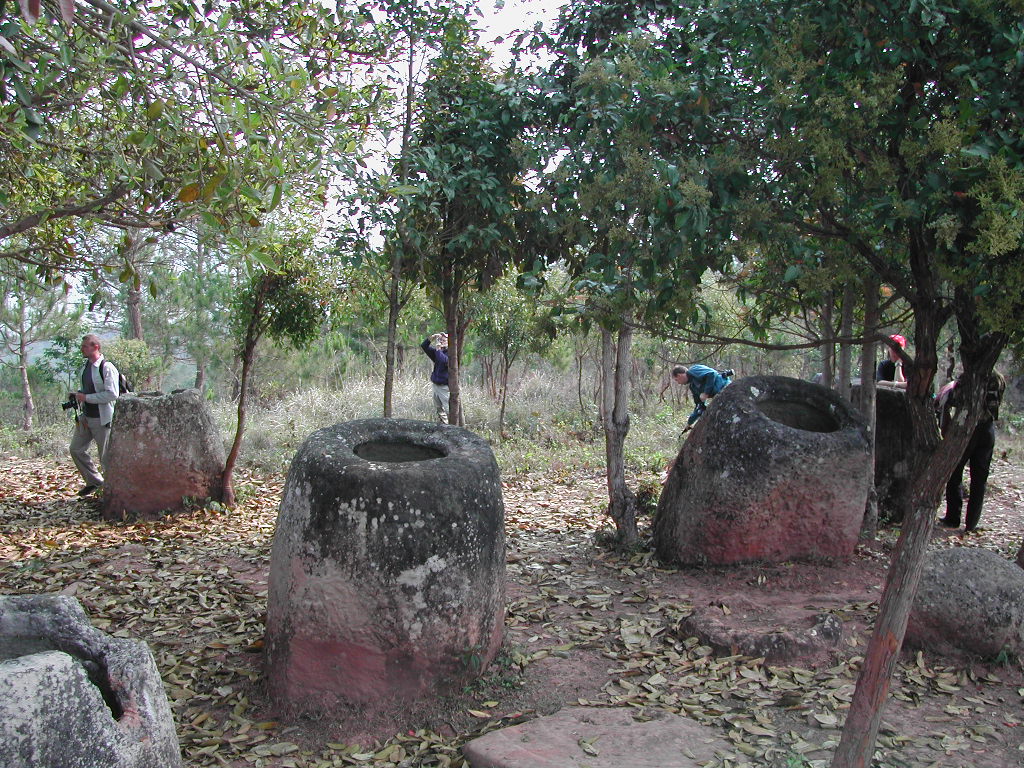
To reach the Plain of Jars, you can fly into Phonsavan or embark on a long bus journey from Vientiane or Luang Prabang. The winding roads may be challenging, but the breathtaking scenery makes the trip worthwhile. Once in Phonsavan, renting a motorbike or bicycle is a popular way to explore the jar sites. The roads to Site 1 are well-maintained, while Sites 2 and 3 may require a bit more effort, especially during the rainy season.
For those interested in a deeper understanding of the area’s history, visiting the Mines Advisory Group (MAG) information center in Phonsavan is essential. Here, you can learn about ongoing demining efforts that have made the Plain of Jars accessible and safe for visitors.
Experience the Culture
While the jars are the main attraction, the surrounding villages offer a rich cultural experience. Engage with local artisans who create stunning textiles and handicrafts, each piece reflecting the unique traditions of their ethnic groups. Try the local Mastake whisky, made from a prized mushroom found in the nearby pine forests, and savor the flavors of Laotian cuisine in Phonsavan, where eateries serve hearty meals to fuel your explorations.
As you stand among the jars, the weight of history envelops you. Each stone tells a story of life, death, and the passage of time, inviting you to reflect on the mysteries of the past. The Plain of Jars is not just a destination; it is a journey into the heart of Laos, where ancient traditions and natural beauty converge.