Laos
Luang Prabang: A Timeless Jewel of Laos
Nestled between rivers and mountains, Luang Prabang enchants with its blend of history, spirituality, and natural beauty.
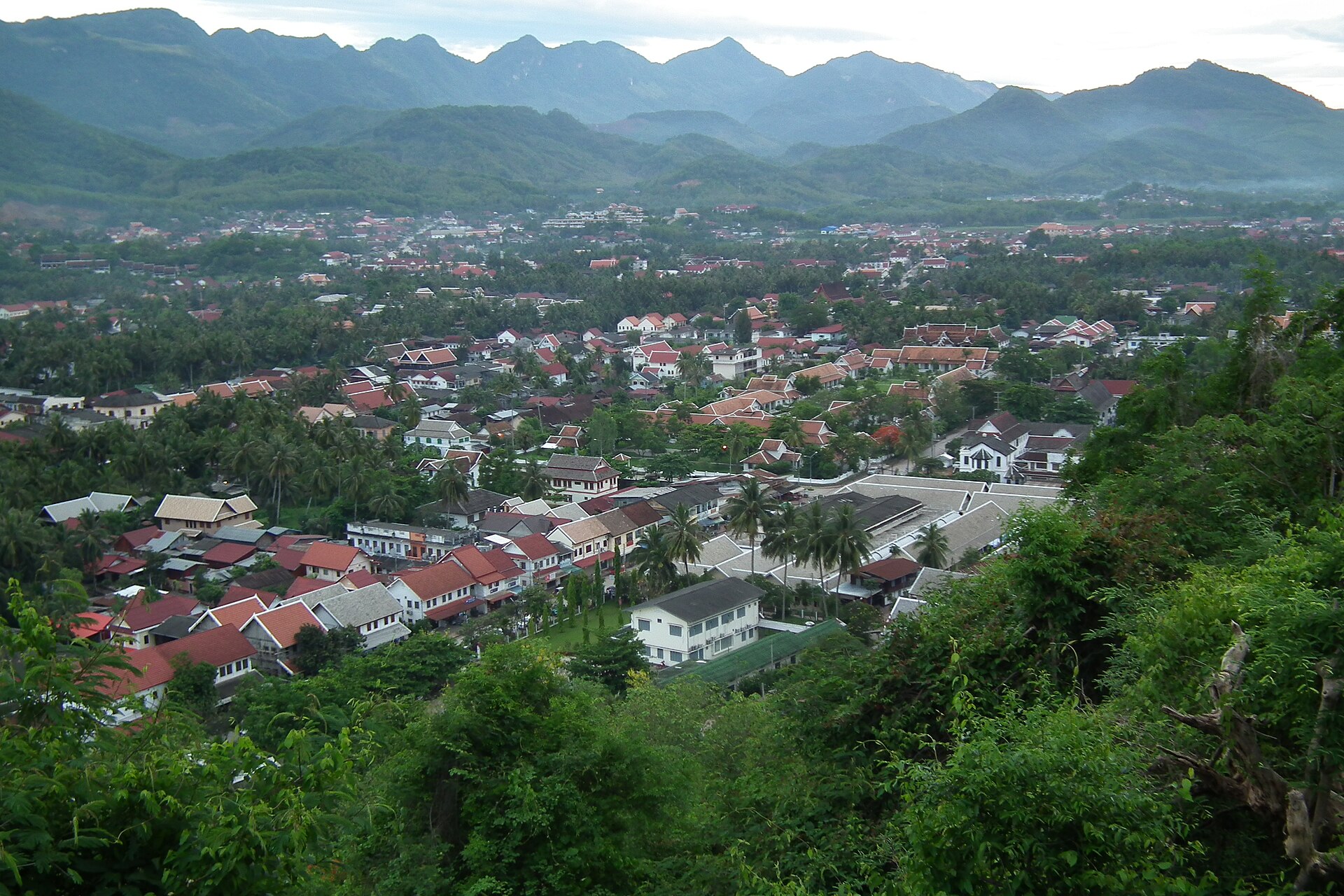
As the sun rises over the Mekong River, the golden spires of ancient temples catch the first light, casting a warm glow over the peaceful streets of Luang Prabang. The sound of soft chanting fills the air as monks in saffron robes glide silently through the town, collecting alms from the locals. This daily ritual, known as tak bat, is just one of the many enchanting scenes that define this UNESCO World Heritage city.
Luang Prabang, once the capital of the Lan Xang kingdom, is a living tapestry woven with threads of history, culture, and nature. The town is cradled at the confluence of the Mekong and Nam Khan rivers, surrounded by lush mountains that provide a stunning backdrop. Its charm lies not just in its scenic beauty but in the harmonious blend of traditional Lao wooden houses and elegant French colonial architecture, remnants of its colonial past.
A Walk Through History
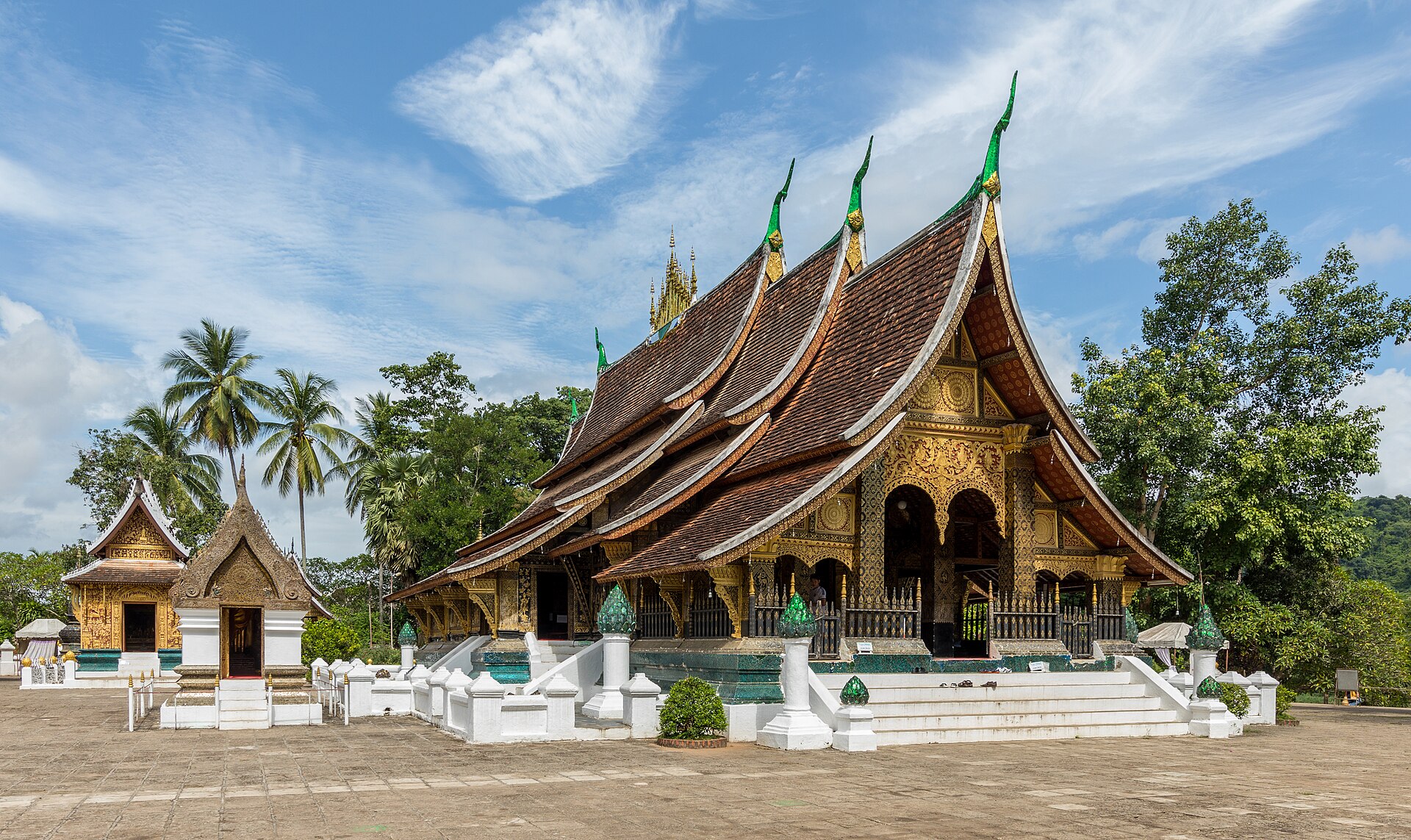
The streets of Luang Prabang are a stroll through time. The Royal Palace Museum, once home to the Lao monarchy, showcases artifacts that tell the story of a nation’s heritage. Nearby, the revered Wat Xieng Thong, with its intricate mosaics and golden roofs, stands as a testament to the city’s spiritual heart. Visitors can spend hours wandering through the narrow lanes, discovering over 30 temples that dot the landscape, each with its unique stories and architectural styles.
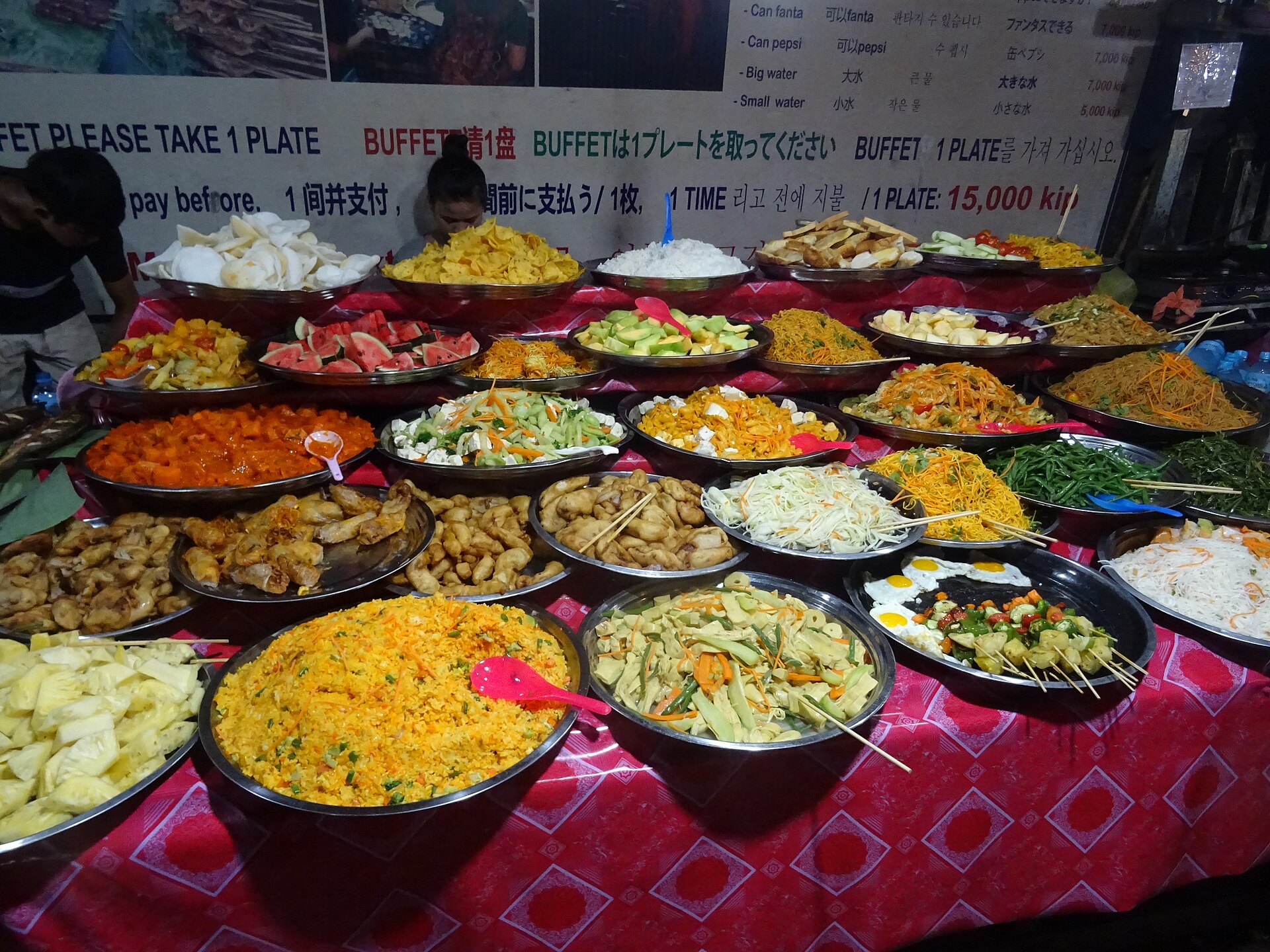
Yet, Luang Prabang is not just about the past. It is a vibrant hub where traditions coexist with modern life. The night market, a bustling affair, offers a feast for the senses, with stalls brimming with local handicrafts, textiles, and mouthwatering street food. Here, you can sample local delicacies like or lam, a fragrant stew, or the crispy kaipen, made from Mekong moss.
Nature’s Embrace
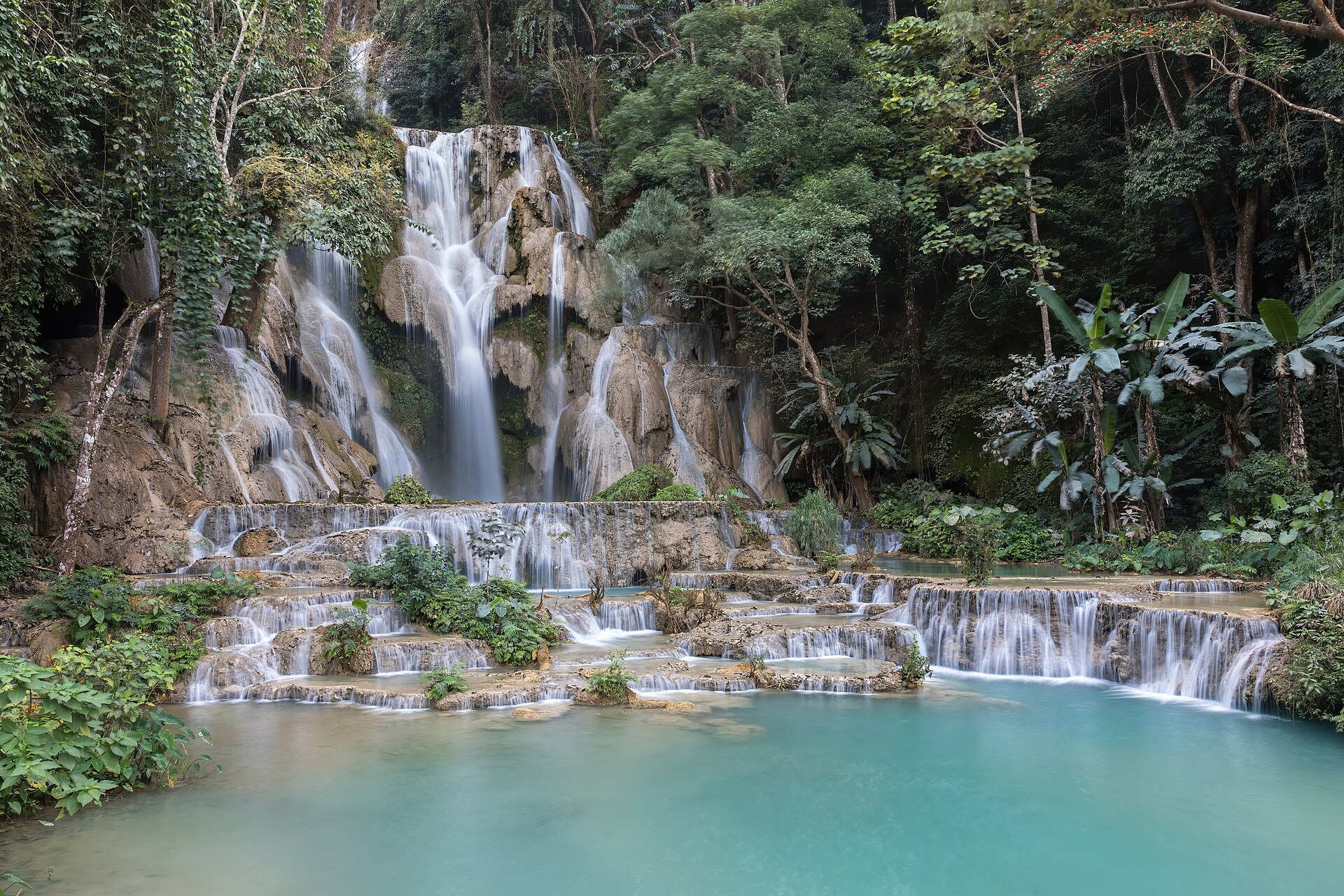
For those seeking adventure, the surrounding natural beauty is irresistible. A short drive from the town leads to the breathtaking Kuang Si Falls, where turquoise waters cascade into serene pools, inviting visitors to take a refreshing dip. The area is also home to the Tat Sae Waterfalls and the Pak Ou Caves, famous for their thousands of Buddha statues, each holding a piece of the region's spiritual tapestry.
As you explore, take a moment to appreciate the rhythm of life in Luang Prabang. The locals embody a baw pen nyang spirit—an attitude of patience and acceptance that permeates the town. This is evident in the way they interact with visitors, always ready to share a smile or a story, embodying the warmth of Lao hospitality.
Preserving the Future
Despite its charm, Luang Prabang faces challenges. The rise of tourism has brought both opportunities and pressures, leading UNESCO to voice concerns about overdevelopment. The delicate balance between preserving cultural heritage and accommodating modern demands is a conversation that continues among locals and officials alike. As visitors, we are reminded of our role in this narrative—supporting responsible tourism that honors the past while nurturing the future.
Getting to Luang Prabang is relatively straightforward, with an international airport just a short distance from the town center. Alternatively, the new railway connects it to major cities, providing a scenic route through the mountains. Once in town, tuk-tuks and bicycles are popular modes of transport, allowing you to soak in the sights at a leisurely pace.
For those planning a visit, consider timing your trip between November and March when the weather is cooler and the air clearer. However, be mindful of the smoky haze that can blanket the region from February to April due to agricultural practices.
In Luang Prabang, every corner tells a story, every meal is a celebration, and every sunset over the Mekong is a reminder of nature’s beauty. Here, the past is not merely a memory; it is a living, breathing part of the present, inviting you to explore, connect, and reflect.