Indonesia
Yogyakarta: The Cultural Heart of Java
Discover the vibrant soul of Yogyakarta, where tradition meets modernity amid stunning temples and a rich artistic heritage.
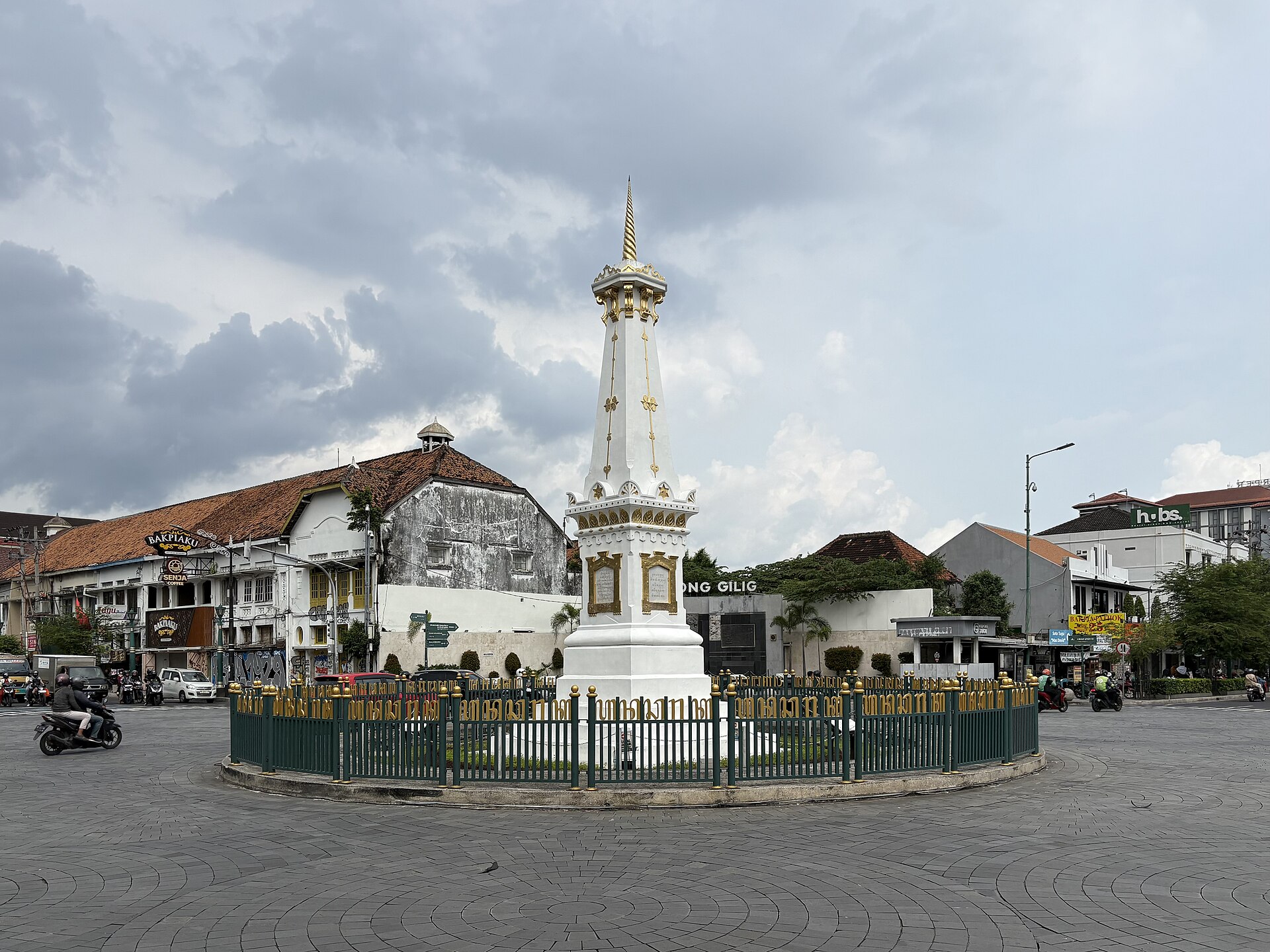
As dawn breaks over Yogyakarta, the gentle hum of the city awakens. Street vendors begin to set up their stalls along the bustling Jl Malioboro, the main thoroughfare that pulses with life. Here, the aroma of freshly brewed kopi tubruk mingles with the sweet scent of pisang goreng (fried bananas), drawing locals and tourists alike into its embrace. This is not just a street; it’s the heartbeat of Yogyakarta, a city that embodies the spirit of Java.
Yogyakarta, or Jogjakarta as many affectionately call it, is more than a destination; it is a living tapestry of history, art, and culture. Nestled in the shadow of the majestic Gunung Merapi, the city serves as the capital of the Yogyakarta Special Region, a unique province governed by a hereditary sultan. The current Sultan, Hamengkubuwono X, continues to play a significant role in the cultural and political life of this vibrant city.
The Artistic Soul
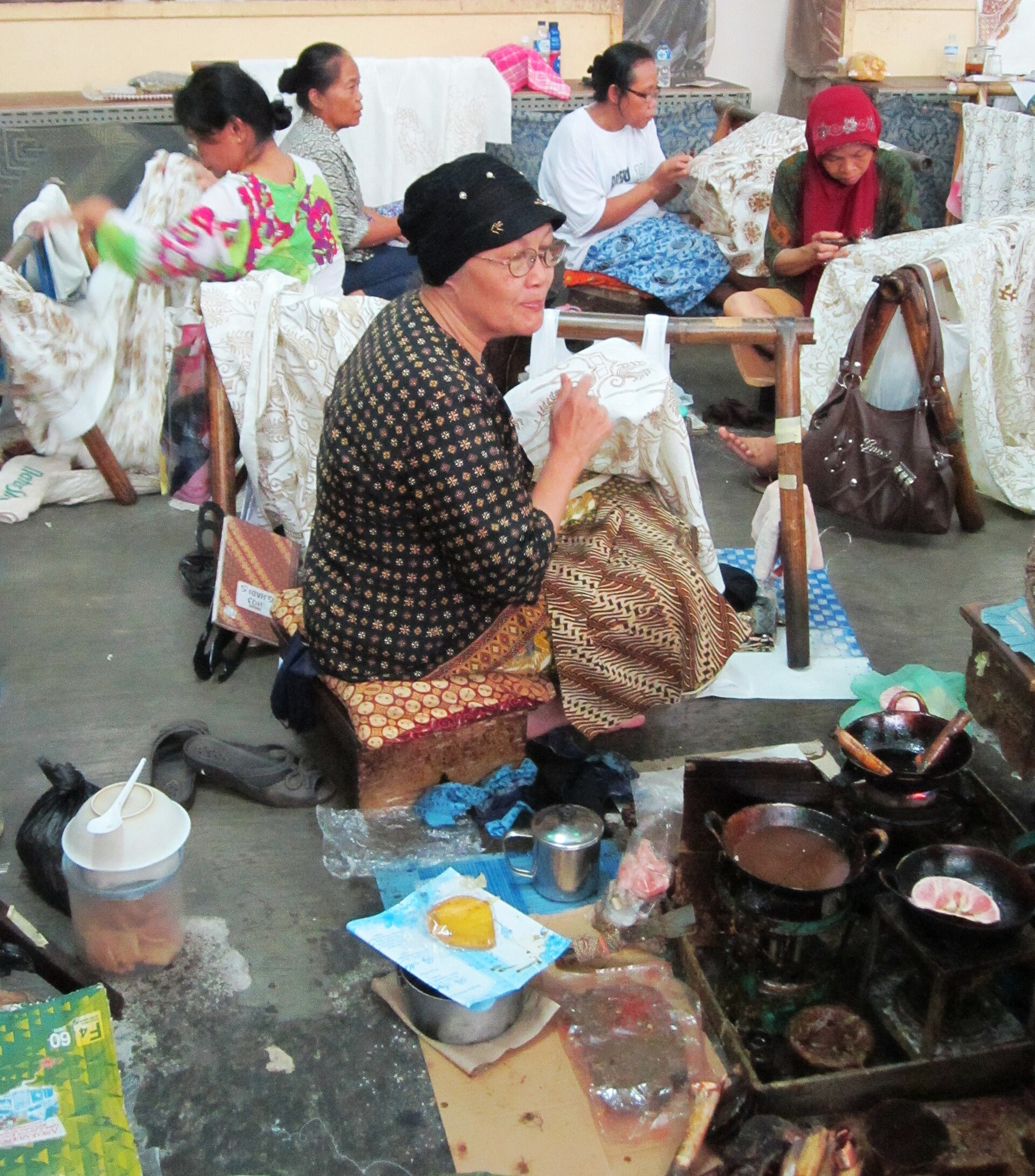
Known as the cultural heart of Indonesia, Yogyakarta is a hub for classical Javanese arts. The city is home to numerous galleries, theaters, and workshops where traditional crafts thrive. Visitors can witness the intricate process of batik making, a UNESCO-recognized art form, in local workshops. The rhythmic sounds of gamelan music fill the air, inviting you to explore performances that celebrate both ancient tales and contemporary themes.
Every evening, the Ramayana Ballet captivates audiences at the open-air theater near the Prambanan Temple. This stunning performance, set against the backdrop of the illuminated temple, tells the epic tale of love and adventure through dance and music, showcasing the rich cultural heritage of Java.
A Gateway to Ancient Wonders
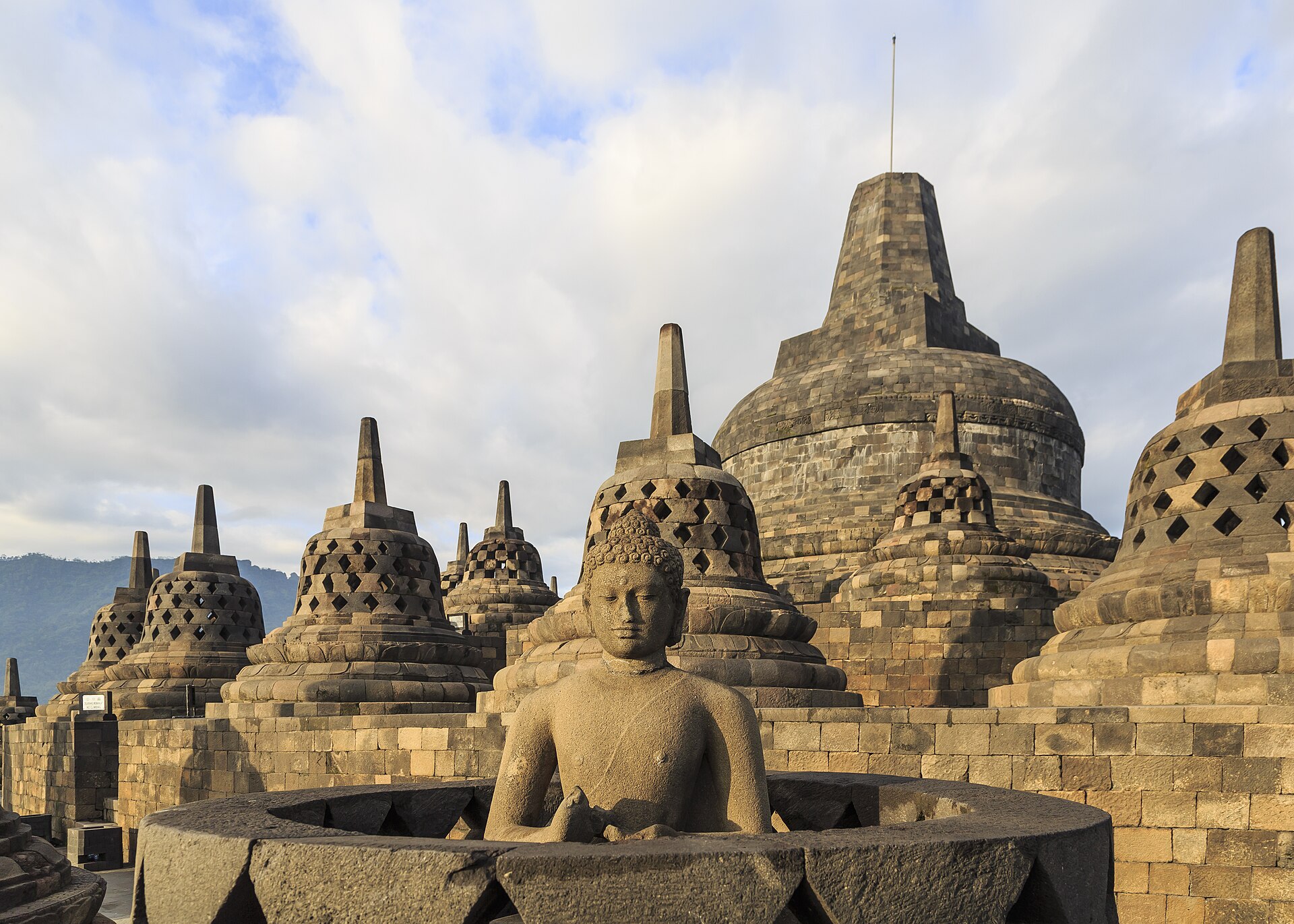
Yogyakarta is also the gateway to some of Indonesia's most iconic landmarks. Just a short drive away lies Borobudur, the largest Buddhist temple in the world, a UNESCO World Heritage site that draws pilgrims and tourists alike. The temple's intricate carvings and stupas tell the story of the Buddha's journey to enlightenment. Visiting at sunrise, when the first rays of light illuminate the temple, is an experience that lingers long after you leave.
Equally impressive is Prambanan, a stunning Hindu temple complex that showcases the architectural prowess of the 9th century. The towering spires and detailed reliefs depict tales from the Ramayana and Mahabharata, inviting visitors to explore the depths of Javanese spirituality and artistry.
Living History
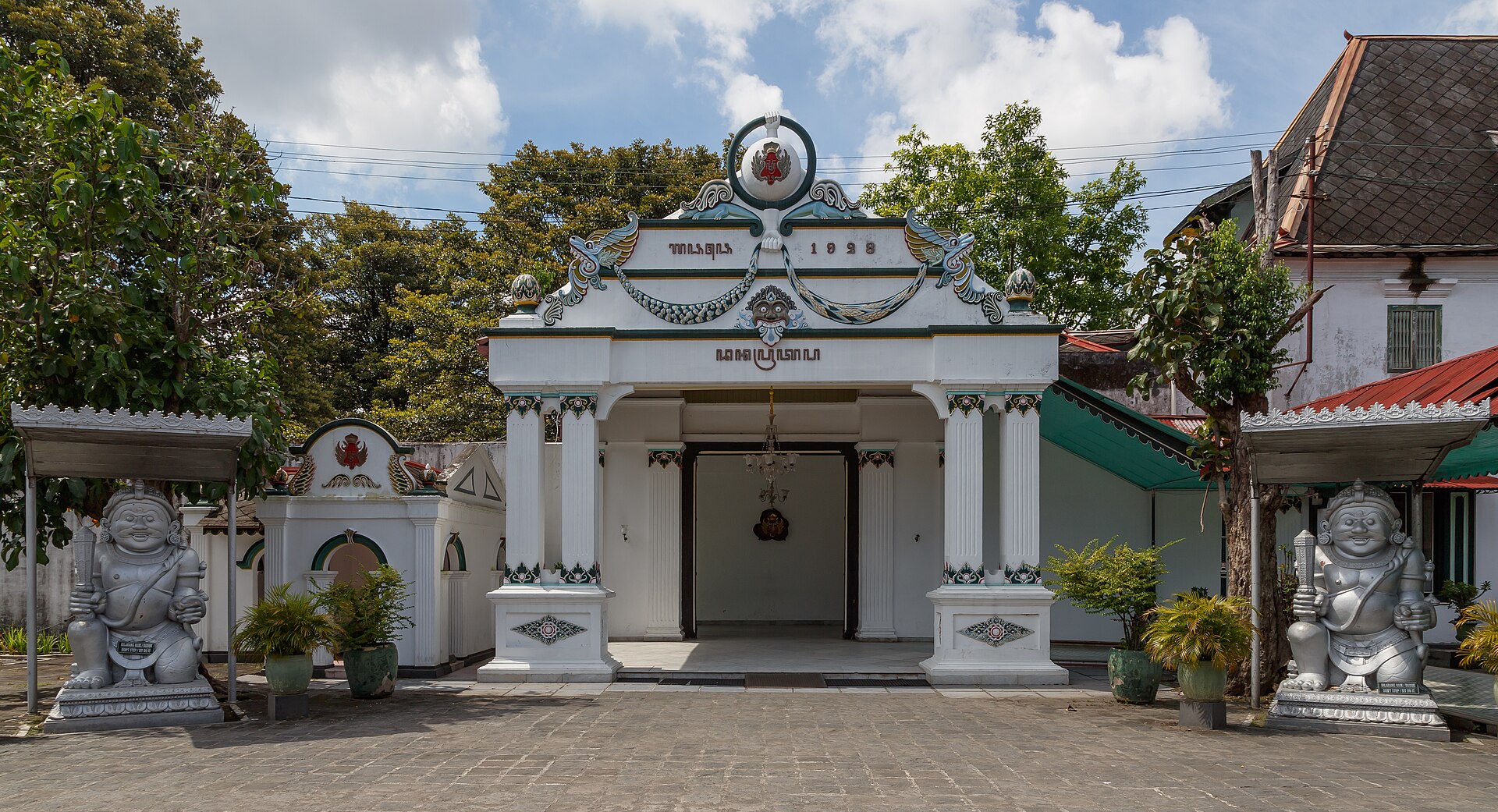
Yogyakarta’s history is palpable in its streets and buildings. The Kraton, or Sultan's Palace, is a living museum where you can witness the daily life of the royal family and their court. Guided tours reveal the intricacies of Javanese culture, from traditional ceremonies to the art of wayang kulit (shadow puppetry). The palace is a reminder of the city’s royal past and its ongoing significance in Indonesian society.
However, Yogyakarta is not without its challenges. The city faces issues like traffic congestion, especially during school holidays, when domestic tourists flock to its attractions. Yet, this bustling energy adds to the charm, reflecting the city’s role as a cultural melting pot.
For those planning a visit, Yogyakarta is easily accessible via Yogyakarta International Airport or by train from major cities like Jakarta and Surabaya. Once there, the city is compact enough to explore on foot or via the efficient TransJogja bus system.
Yogyakarta is a city where the past and present coexist harmoniously, inviting you to experience its rich culture, artistic vibrancy, and historical significance. It is a place that feels alive, where every corner reveals a story waiting to be discovered.