Indonesia
The Untamed Majesty of Komodo National Park
Home to the legendary Komodo dragon, this UNESCO World Heritage site offers a stunning blend of biodiversity and breathtaking landscapes.
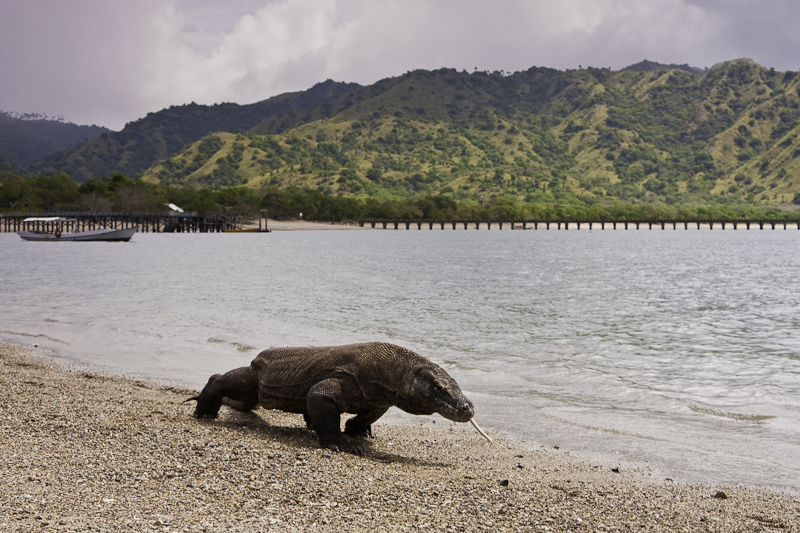
As the sun rises over the rugged hills of Komodo National Park, the golden light spills onto the dry savannah, revealing the silhouettes of the world’s largest lizard—the Komodo dragon. These ancient creatures, some exceeding three meters in length, roam the island with an air of indifference, embodying the wild spirit of this UNESCO World Heritage site. For those seeking adventure, the park is a gateway to a realm where nature reigns supreme, and every moment feels like a brush with the extraordinary.
Located between the islands of Sumbawa and Flores in Indonesia’s Nusa Tenggara region, Komodo National Park is a mosaic of three main islands—Komodo, Rinca, and Padar—along with 26 smaller isles. The park spans over 1,800 square kilometers, encompassing not just the dragons but also a rich tapestry of marine biodiversity, making it one of the world’s 25 biodiversity hotspots.
Exploring the Islands
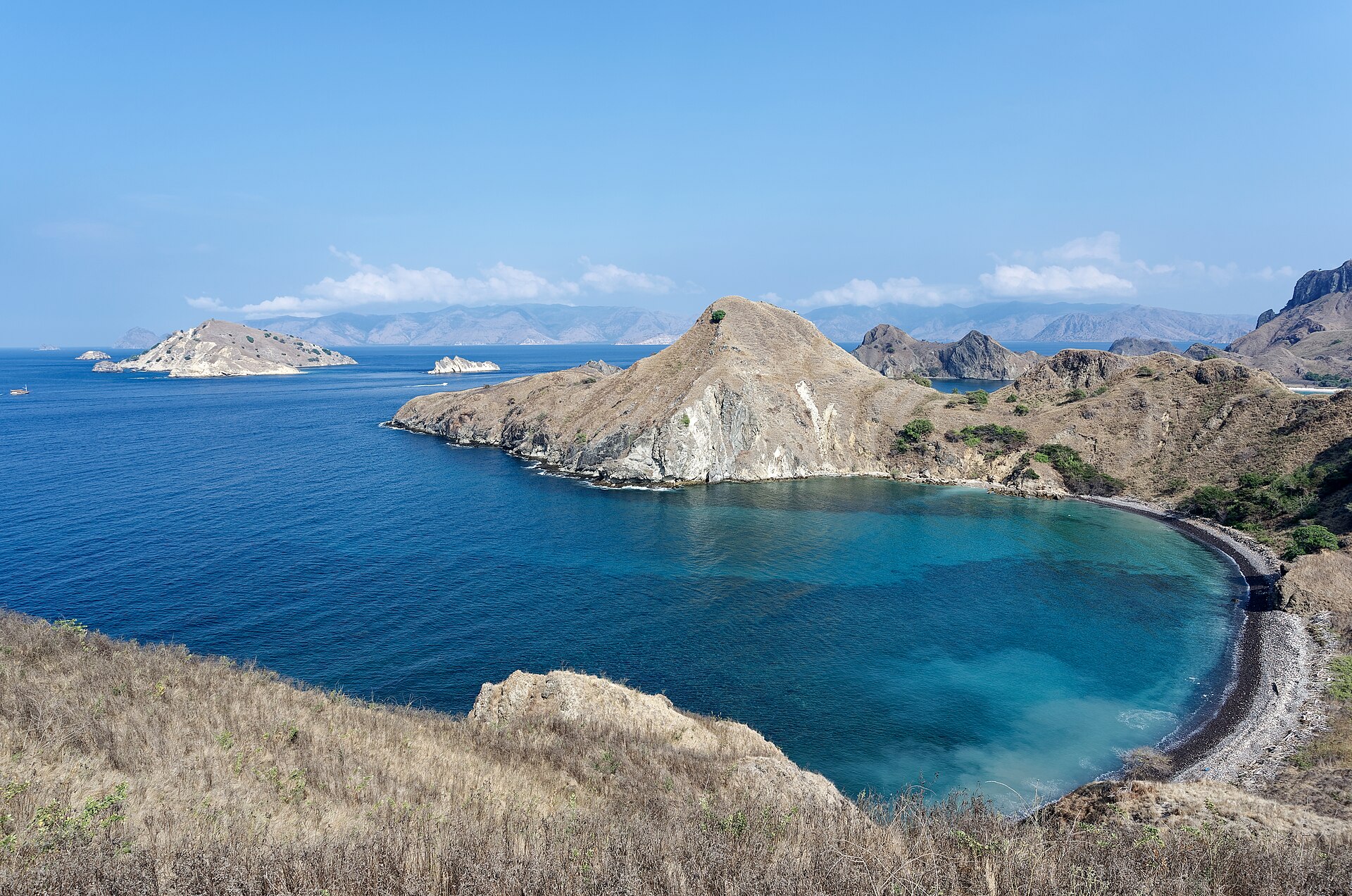
Visitors typically arrive via Labuan Bajo, the nearest town on Flores, where daily flights from Bali land at Komodo Airport. From there, small boats ferry travelers to the islands, often dropping them onto the shores of Komodo or Rinca. The journey is an adventure in itself, with the turquoise waters of the Flores Sea providing a stunning backdrop.
Once on the islands, the only way to explore is on foot, guided by local rangers who ensure safety from the dragons. Trekking through the arid landscape, you’ll encounter not only the Komodo dragons but also Timor deer, wild boar, and the endemic Rinca rat. The trails lead to viewpoints offering panoramic vistas of the surrounding islands, where the vibrant colors of the coral reefs below beckon divers and snorkelers alike.
Marine Wonders
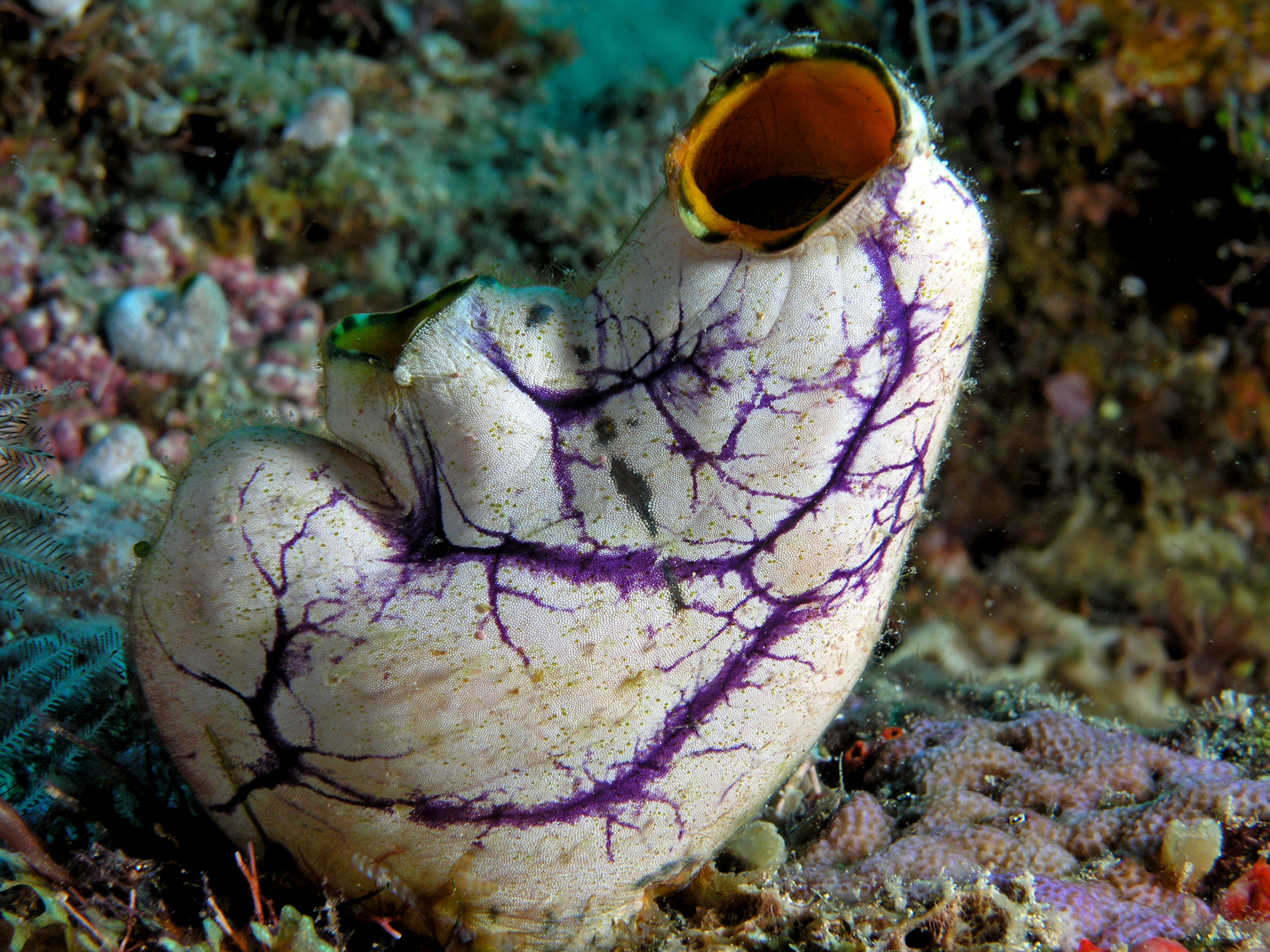
The waters surrounding Komodo are a diver’s paradise. With over 260 species of coral and a plethora of marine life, including manta rays and sea turtles, the underwater world is as captivating as the land. Diving and snorkeling tours are available, allowing visitors to immerse themselves in this vibrant ecosystem. However, the currents can be strong, so it’s wise to heed the advice of experienced guides.
Cultural Tapestry
While the dragons steal the show, the human stories woven into the fabric of Komodo National Park are equally compelling. The local communities, primarily fishermen from Bima and Manggarai, have lived in harmony with the land and sea for generations. Their traditional practices and beliefs are slowly blending with those of recent migrants, creating a unique cultural landscape. In the evenings, as the sun dips below the horizon, the sky fills with the silhouettes of flying foxes, a reminder of the rich biodiversity that thrives here.
However, the impact of tourism is a double-edged sword. While it brings economic opportunities, the benefits often trickle down slowly to the local communities. Many residents still rely on fishing, facing challenges from rising costs and dwindling resources. Efforts are being made to ensure that tourism revenue supports local livelihoods, but the journey towards sustainability is ongoing.
Practical Tips
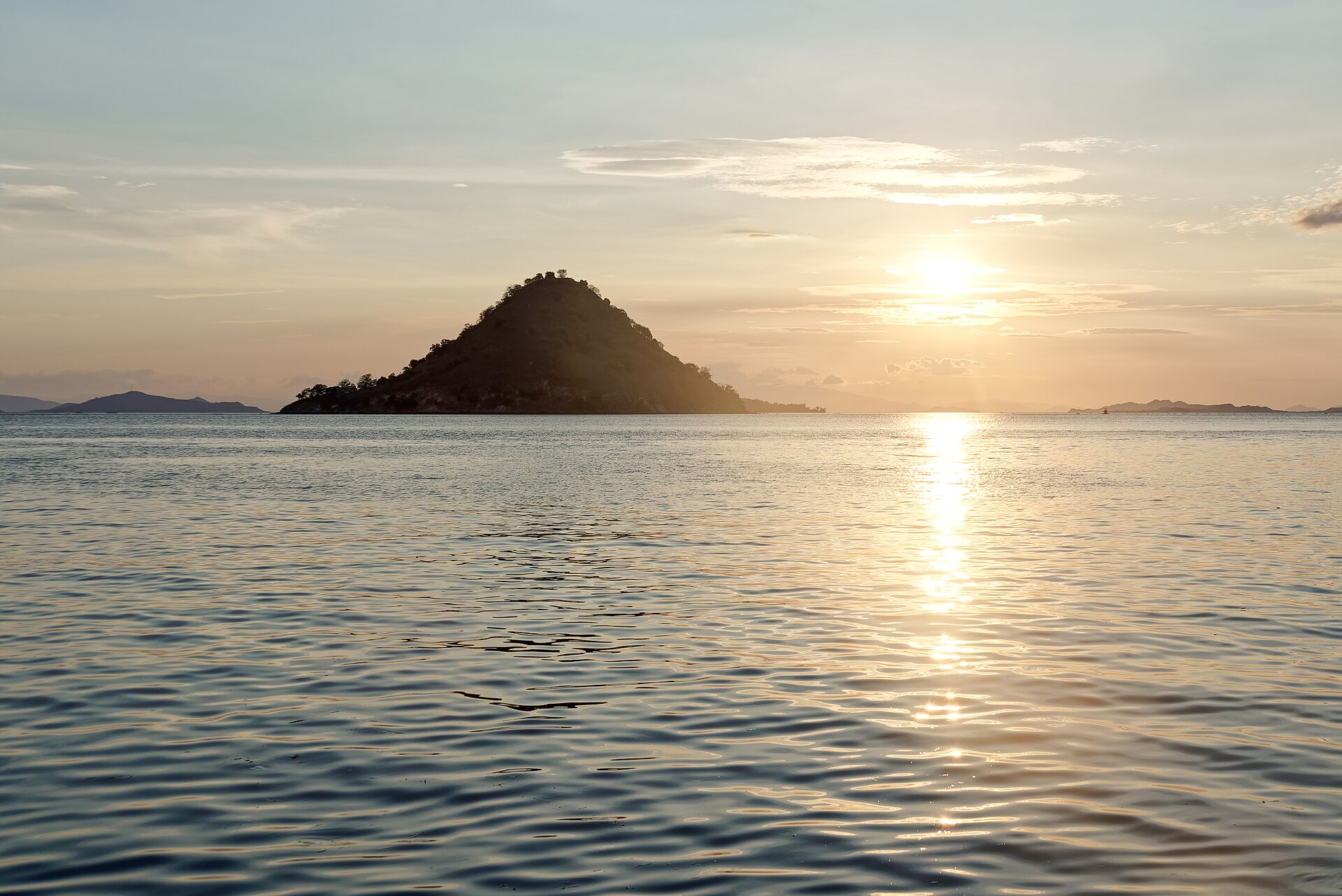
For those planning a visit, the best time to explore Komodo National Park is during the dry season from May to October. The entrance fee varies, with additional costs for guided tours and activities. Remember to stay hydrated and bring sufficient water, as fresh water is scarce on the islands. And always respect the local guidelines—getting too close to the Komodo dragons can be dangerous.
In the heart of Komodo National Park, nature and culture intertwine in a dance as old as time. Here, the legendary Komodo dragon reigns supreme, but it is the intricate balance of life—both human and wild—that truly defines this extraordinary place. For those willing to tread lightly, Komodo offers an unforgettable adventure into the wild.