Indonesia
Rendang: The Heart of Minangkabau Cuisine
Discover the rich history and cultural significance of Indonesia's beloved rendang, a dish that transcends borders and generations.
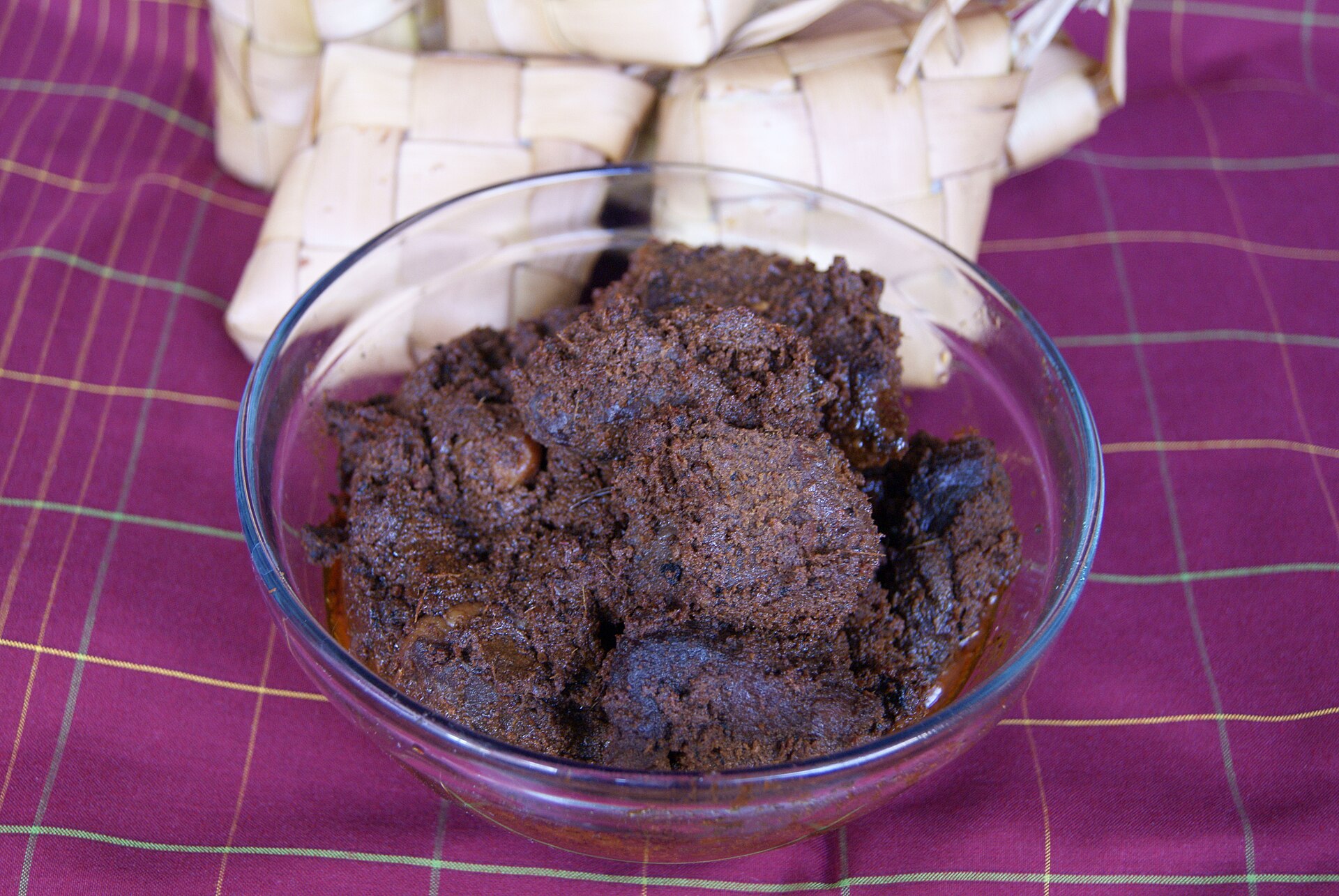
In the heart of West Sumatra, the aroma of spices fills the air as families gather to prepare rendang, a dish that embodies the spirit of gotong royong, or communal cooperation. The process is a ritual, a dance of hands moving in harmony as they slice, sauté, and simmer the beef in coconut milk and a medley of spices. This is not just cooking; it is a celebration of culture, history, and identity.
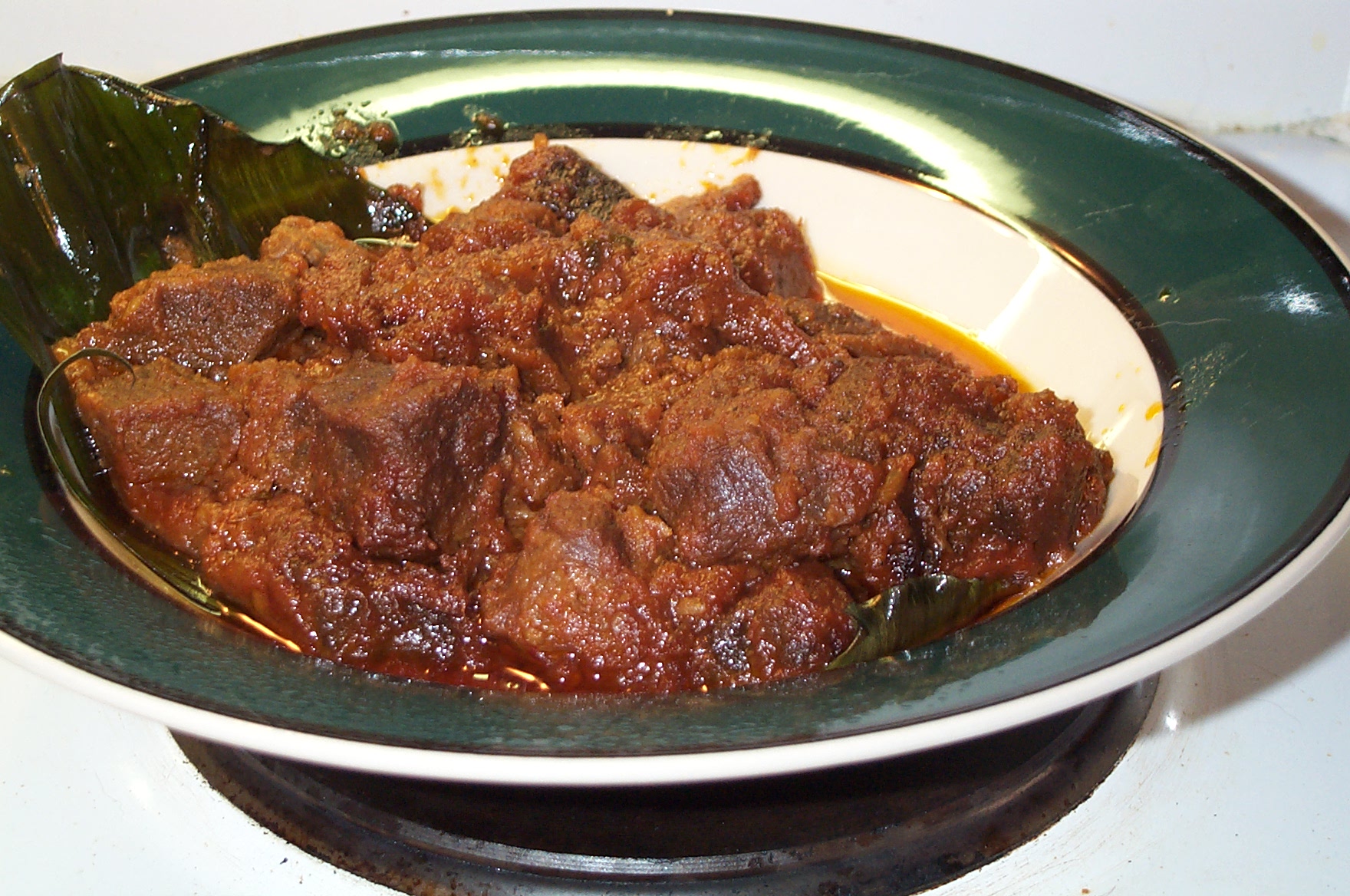
Rendang is often described as a dry curry, but its significance runs deeper than mere culinary classification. It is a dish that tells the story of the Minangkabau people, who have carried it across the archipelago and beyond. The origins of rendang can be traced back to the Malay and Minangkabau cultures, where it was traditionally served at ceremonial occasions such as weddings and religious festivities. The dish has already gained recognition as Indonesia's national dish, celebrated for its rich flavors and intricate preparation.
The Cooking Process
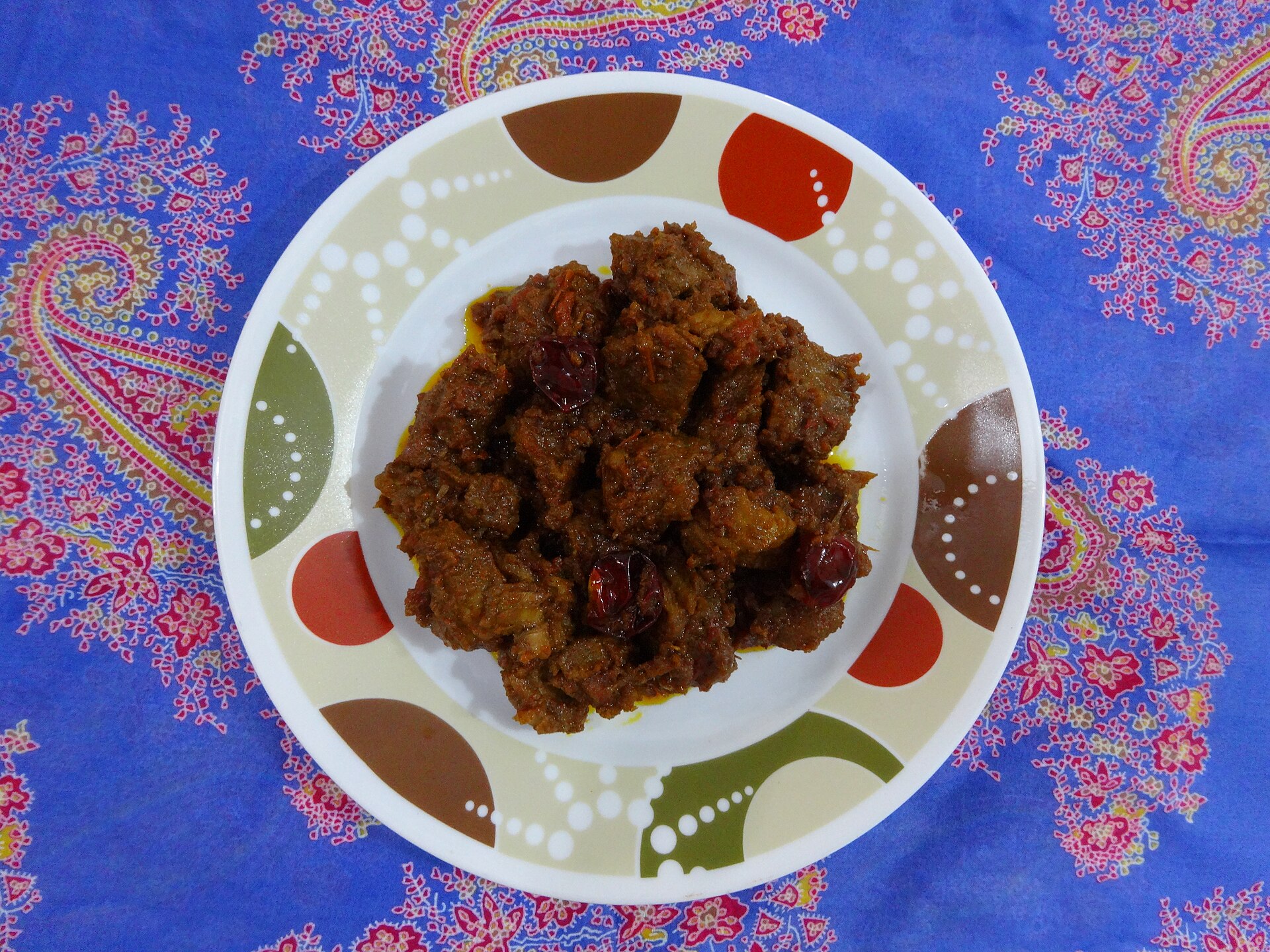
The magic of rendang lies in its preparation. The meat, often beef, is cooked slowly in a mixture of coconut milk and spices like ginger, turmeric, lemongrass, and chili. This slow-cooking method allows the flavors to meld beautifully, resulting in tender meat coated in a thick, aromatic sauce. As the dish cooks, the coconut milk reduces, and the oil separates, creating a rich glaze that clings to the meat. It is a labor of love, often taking several hours to achieve the perfect consistency.
A Cultural Journey
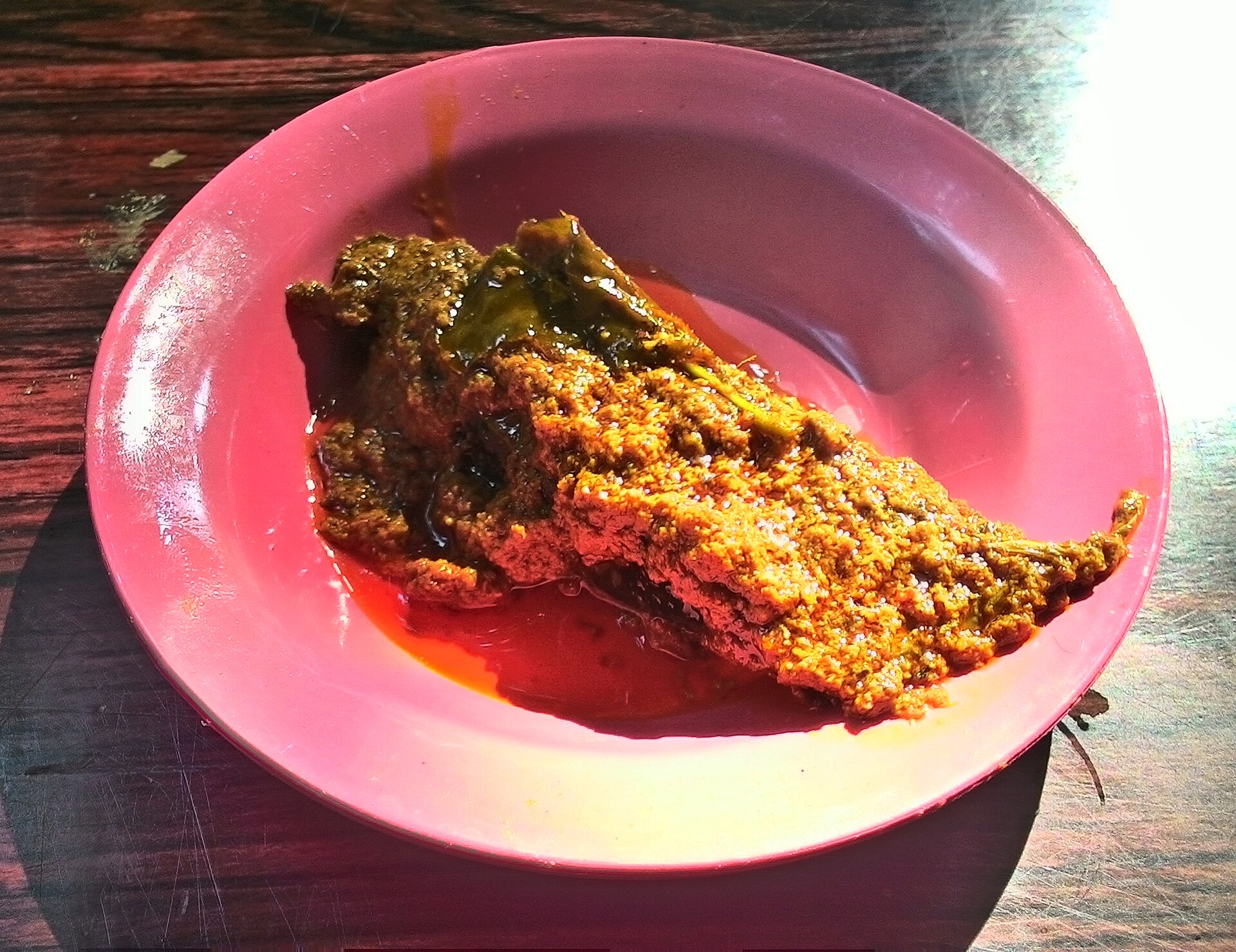
Rendang's journey is as captivating as its taste. Originally developed in the bustling trade routes of the Malacca Strait, it has absorbed influences from Indian, Middle Eastern, and even Portuguese cuisines. The introduction of chili peppers by the Portuguese in the 16th century added a fiery kick that has become a hallmark of the dish. As Minangkabau traders traveled, they brought rendang with them, ensuring its place in the culinary landscape of Southeast Asia.
Today, rendang is not just confined to the Minangkabau region; it has become a beloved dish across Indonesia and beyond, with each area adding its unique twist. In Malaysia, for instance, rendang is often served during festive occasions, while in the southern Philippines, it has been embraced by the Moro community as riyandang, showcasing its adaptability and universal appeal.
Where to Experience Rendang
To truly appreciate rendang, one must experience it in its cultural context. Visiting a Minangkabau restaurant or a local food stall (warung) offers a glimpse into the communal spirit that surrounds this dish. It is common to see families sharing a large platter of rendang, accompanied by steamed rice and other side dishes, fostering a sense of togetherness.
While rendang is typically enjoyed year-round, special occasions such as Hari Raya or family gatherings see it take center stage. The communal preparation of rendang during these times reinforces the bonds of family and tradition, making each bite a connection to the past.
However, the popularity of rendang has also led to challenges. As demand increases, some traditional methods are being replaced by quicker, less authentic cooking techniques. This shift raises questions about preserving the cultural heritage associated with rendang and the importance of maintaining traditional cooking practices.
In a world where culinary traditions are often diluted, rendang stands as a testament to the resilience of cultural identity. It invites you not just to taste, but to partake in a story that has been simmering for centuries, a dish that is as rich in flavor as it is in history.