Indonesia
Indonesia's LGBT Community Faces Rising Threats Amid New Regulations
Vigilante attacks and regulatory changes heighten fears for safety among Indonesia's LGBT population.
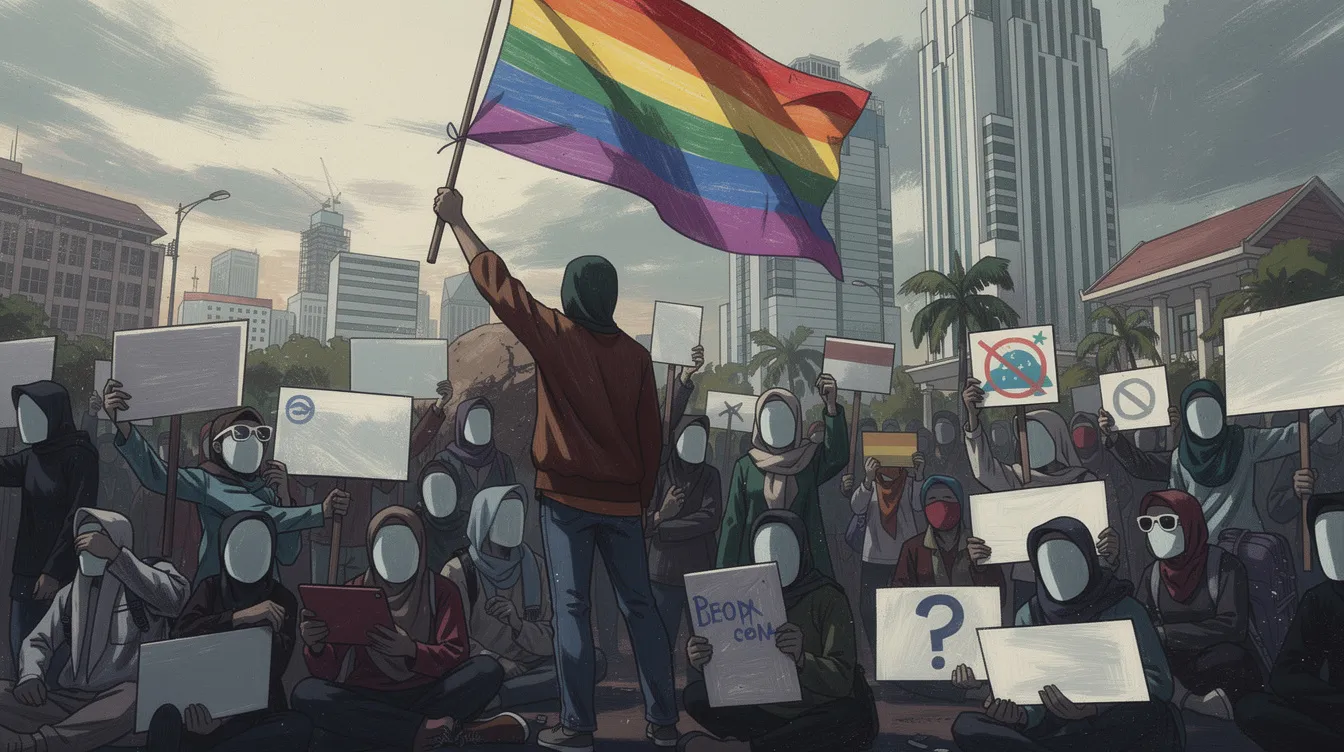
In Indonesia, the situation for the LGBT community is becoming increasingly precarious, with recent reports highlighting a surge in vigilante attacks against transgender women. Human rights organizations have raised alarms about these developments, which they describe as a quickly deteriorating environment for LGBT individuals.
According to a report by Nikkei Asia, a series of violent incidents have been documented, including attacks on trans women in Surabaya, where vigilantes have targeted individuals based on their gender identity. Activists fear that these incidents reflect broader societal intolerance exacerbated by recent regulatory changes that could further marginalize the LGBT community.
The Indonesian government has introduced new regulations that critics argue could lead to increased discrimination and violence against LGBT individuals. These regulations come amid a backdrop of rising conservatism in the country, where public support for LGBT rights has been waning. A survey conducted by the Human Rights Watch indicated that a significant portion of the population holds negative views towards LGBT individuals, which has contributed to a culture of fear and hostility.
Indonesian coverage of these developments has emphasized the role of government policies in fostering an environment of intolerance. For instance, local media outlets have reported on the government's recent regulatory changes, framing them as part of a broader trend towards conservatism that threatens minority rights. In contrast, international reports have focused more on the immediate impacts of violence and community responses.
Community leaders and activists, including local tokoh masyarakat (community elders), have expressed concerns about the implications of these developments. One activist involved in local advocacy efforts stated that the community is already feeling pressure from these regulations, which could exacerbate discrimination. This sentiment is echoed by various human rights watchdogs who emphasize the need for greater protections for vulnerable populations.
As the situation evolves, many within the LGBT community are turning to gotong royong (communal cooperation) to seek solidarity and support. Local organizations are mobilizing to provide safe spaces and resources for those affected by violence and discrimination. However, the path forward remains fraught with challenges as the regulatory landscape continues to shift. Indonesian media has highlighted these grassroots efforts, portraying them as vital for community resilience in the face of adversity.
Overall, while both Indonesian and international reports agree on the rising threats faced by the LGBT community, they diverge in their framing: Indonesian coverage stresses the systemic issues stemming from government policies, while international outlets focus on the immediate threats and community responses. This contrast underscores the complexity of the situation as the LGBT community navigates a hostile environment.