Indonesia
Indonesia Orders Follow-Up on $15 Billion China Investment Agreements
The 35 business agreements span industry, energy and technology. Officials say projects could create more than 30,000 jobs, but implementation is still ahead.
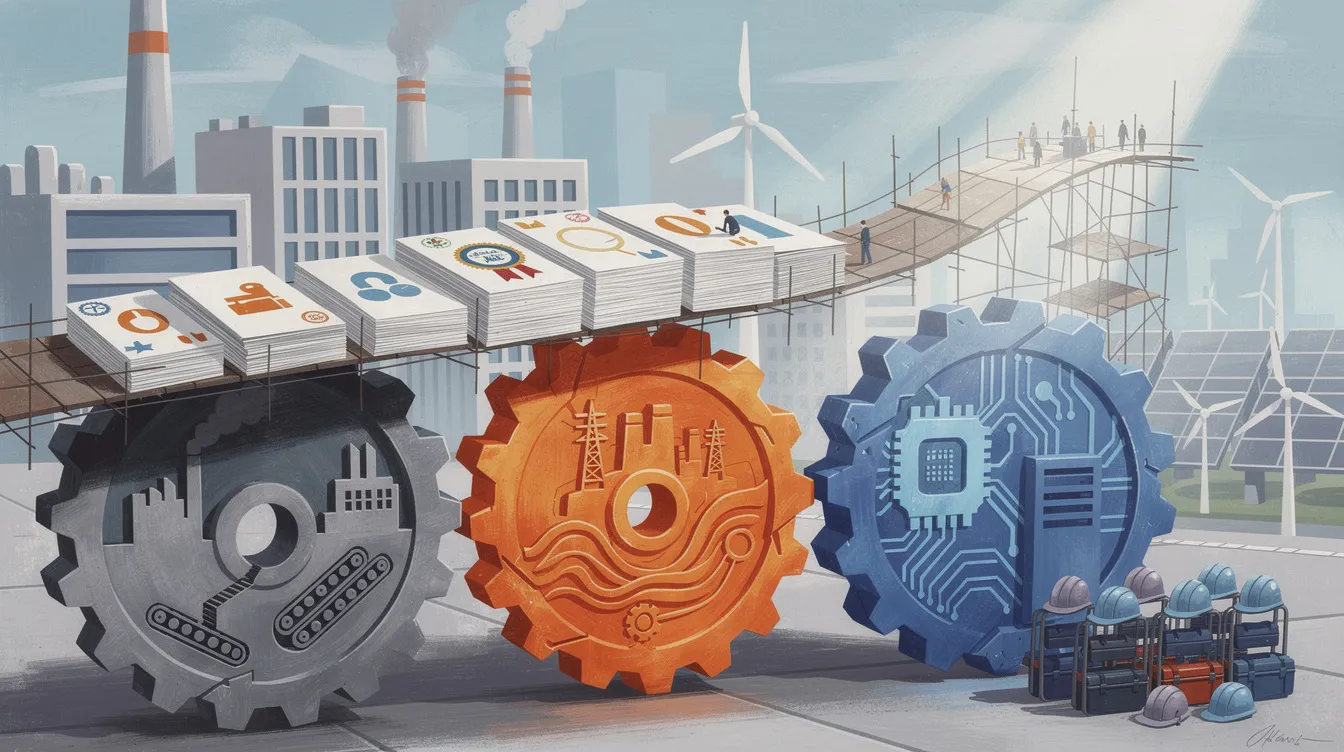
Indonesia’s government has been told to move 35 business agreements with Chinese partners into the next stage, after the deals were signed at an Indonesia-China business forum in Shenzhen on November 20. The agreements are valued at about US$15 billion (roughly Rp273.4 trillion, based on an exchange rate of Rp18,227 per USD), according to Indonesian officials and state news agency ANTARA.
Danantara chief executive Rosan Roeslani said President Prabowo Subianto gave the instruction at a limited meeting in Jakarta on November 24. Rosan said the Chinese government had approved the investment plans through its National Development and Reform Commission and outbound direct investment process. Those approvals do not, by themselves, establish that the projects have begun construction or that the full investment will be disbursed.
The agreements cover industrial estates, petrochemicals, renewable energy, manufacturing, electric vehicles, digital technology, data centres, pharmaceuticals and vaccines, and infrastructure, according to Katadata and Detik. Officials have projected that projects across the package could create more than 30,000 jobs. The sources do not provide a project-by-project breakdown of the investment value or employment estimate.
From agreements to implementation
Rosan said the meeting also considered how investment and Danantara’s activities might contribute to Indonesia’s economic growth in 2027. CNBC Indonesia reported that officials discussed possible growth scenarios but did not give a forecast or a settled estimate of Danantara’s contribution.
Energy and downstream industries were also on the agenda. Bahlil Lahadalia, the coordinating minister responsible for downstreaming and energy transition, said the next stage for agreements made during Prabowo’s China visit would be implementation, which could begin next year. He also said the president had directed officials to accelerate industrial development and downstream processing.
“Bahlil Lahadalia said the next stage would be carrying out the implementation process, which could possibly begin next year for all that was committed at APEC.”Bahlil Lahadalia, Coordinating Minister for Downstreaming and Energy Transition
In Indonesia, downstreaming generally refers to processing raw materials domestically rather than exporting them in less-processed form. The government has presented it as a way to expand manufacturing and retain more value in the country. The Shenzhen package includes energy and industrial projects, but the reports do not specify which agreements will proceed first or what environmental assessments will apply.
A wider set of commitments
The US$15 billion package was announced during a visit that included a separate set of Indonesia-China commitments. Indonesia’s Cabinet Secretariat said Prabowo witnessed the exchange of memorandums of understanding in Shenzhen on November 18, with a stated value of about US$71.8 billion. That earlier figure covers a broader range of cooperation, including smart-city development, manufacturing and technology, infrastructure financing, and a coal-to-ethanol project.
ANTARA reported that the 35 business agreements followed that earlier announcement. The two totals refer to separate sets of commitments, rather than a single US$15 billion deal.
For the current package, the public information remains at the level of agreements and projected benefits. The reports do not identify the companies behind each of the 35 agreements, provide financing schedules, or set out project locations and construction timetables. Those details will matter as officials move from signed documents to implementation.