Indonesia
Embracing Silence: The Unique Experience of Nyepi in Bali
In Bali, the Day of Silence transforms the island into a serene sanctuary, inviting both locals and visitors to reflect and connect.
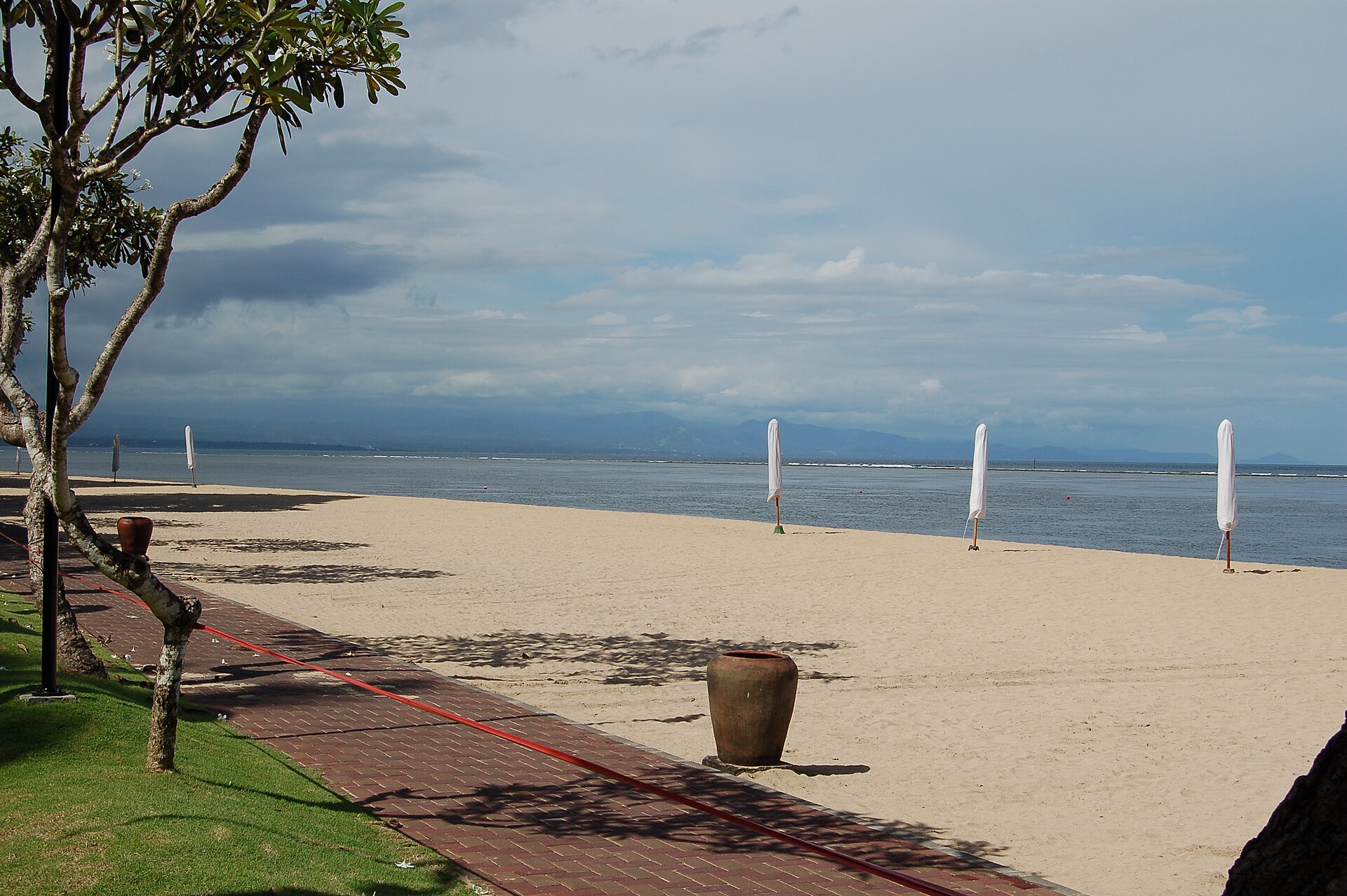
As dawn breaks on the island of Bali, a profound stillness envelops the usually vibrant streets. This is Nyepi, the Day of Silence, a sacred observance that marks the Balinese New Year. For 24 hours, from 6 a.m. to 6 a.m. the following day, the island transforms into a sanctuary of introspection, where the usual sounds of bustling markets and lively chatter are replaced by an almost palpable silence.
The origins of Nyepi can be traced back to the Shaka era, which began in 78 A.D. The name itself derives from the Balinese word 'sepi', meaning 'silent'. This day is not just a holiday; it is a deeply spiritual experience for the Balinese Hindus who observe it through fasting, meditation, and self-reflection. Even non-Hindu residents and tourists are expected to participate in the silence, remaining indoors and refraining from any activities that might disrupt the tranquility.
Rituals and Preparations
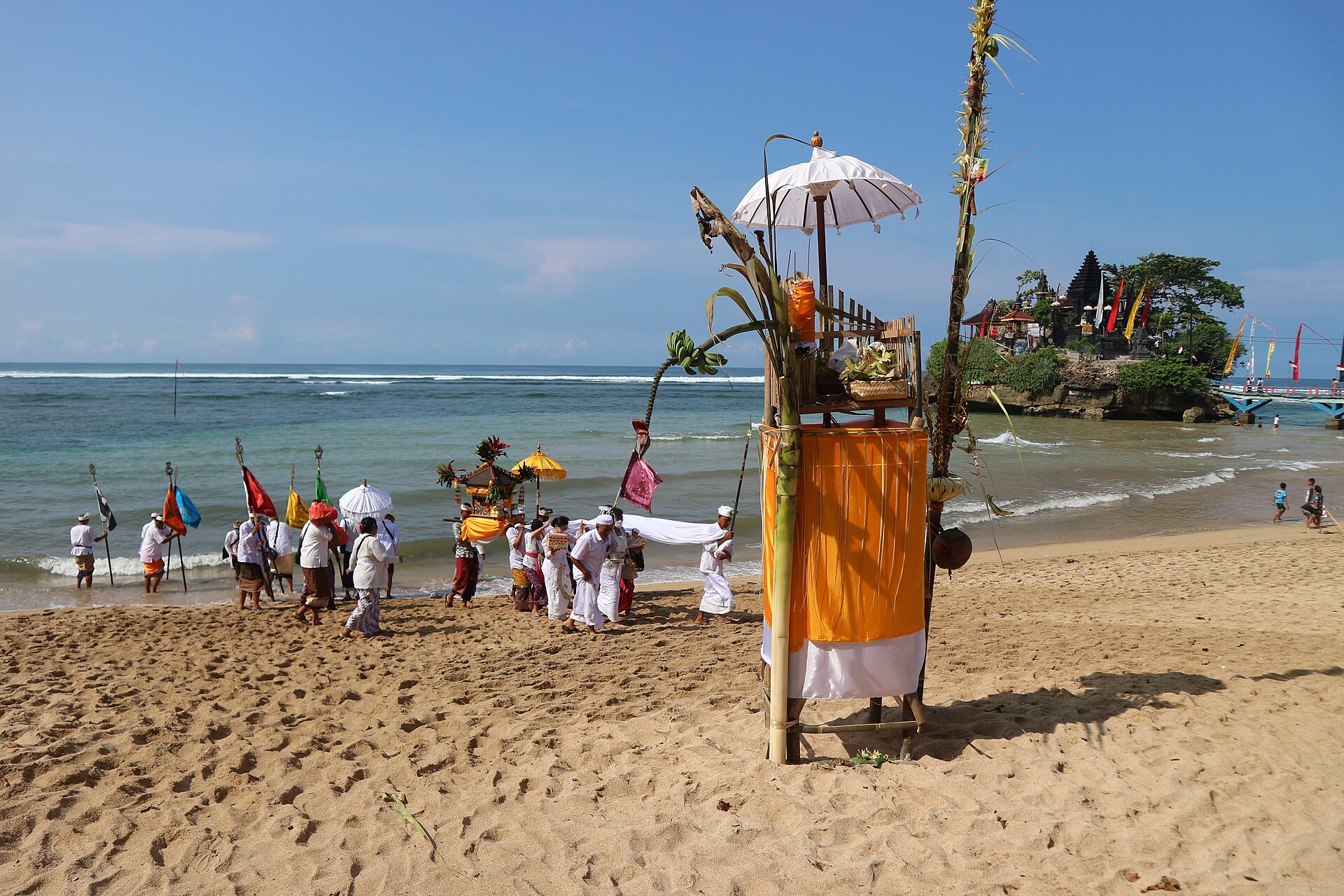
In the days leading up to Nyepi, the island buzzes with a different energy. The Melasti ritual, performed at sea, purifies sacred objects and prepares the community for the new year. Villagers gather at beaches, carrying offerings and sacred items, while the sound of waves crashing against the shore creates a serene backdrop. This ritual is a testament to the Balinese belief in maintaining harmony with nature.
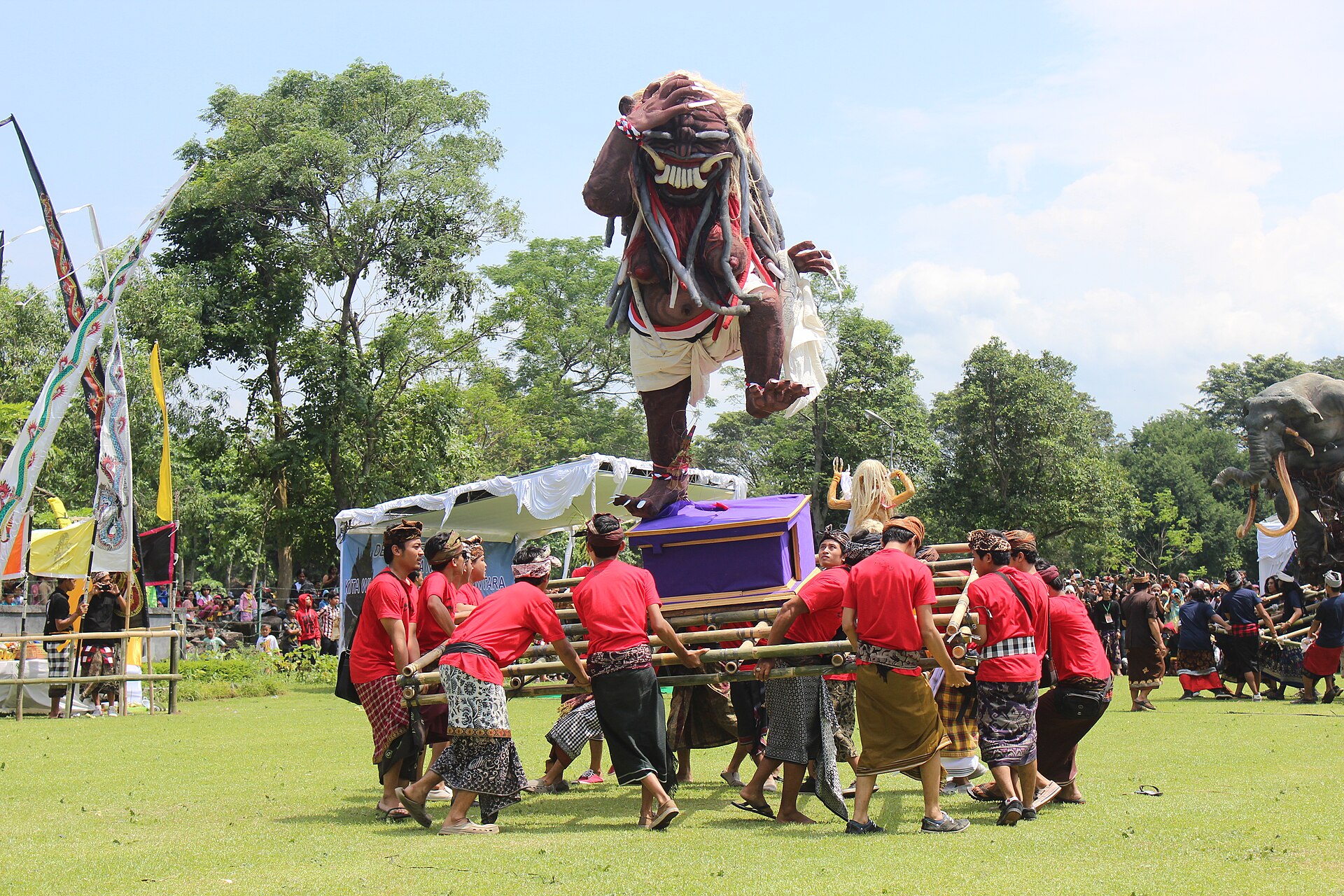
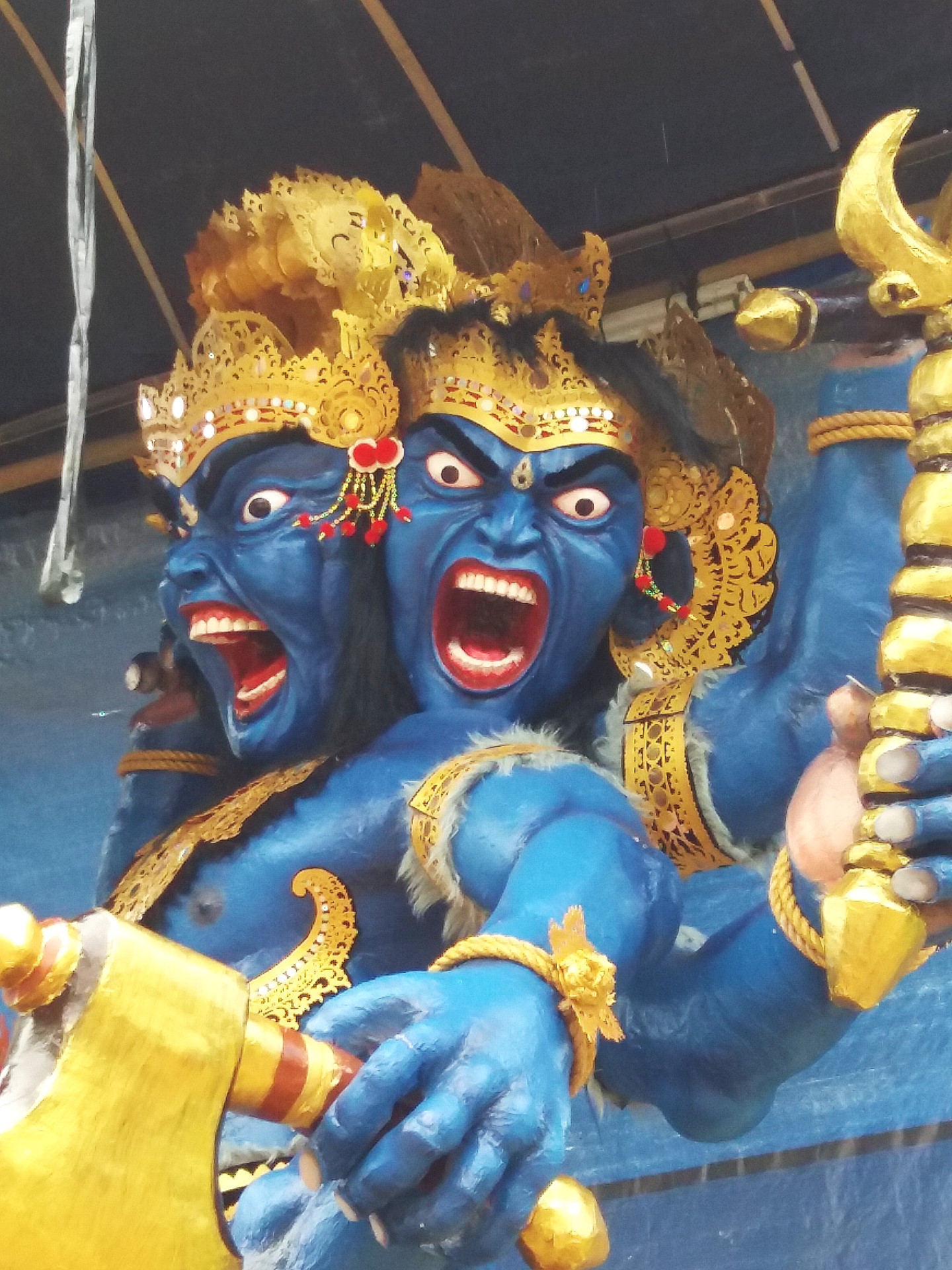
As the sun sets on the eve of Nyepi, the vibrant parades of ogoh-ogoh, intricately crafted demonic statues, fill the streets. These figures, made from bamboo and papier-mâché, symbolize negative elements and are paraded through villages before being ceremonially burned. This act serves to cleanse the community of malevolent spirits, making way for renewal and positivity.
The Day of Silence
When Nyepi arrives, the atmosphere shifts dramatically. The roads, typically filled with motorbikes and cars, lie empty. The only movement comes from pecalang, traditional security men, who patrol the streets to ensure that the prohibitions are followed. No fire, no work, no travel, and no entertainment are the four main restrictions that define this day. Even the island's airport shuts down, leaving travelers to embrace the stillness.
For many, the experience of Nyepi can be both unsettling and liberating. The absence of noise and activity allows for deep reflection, a moment to connect with oneself and the surrounding environment. It is a day that encourages a break from the chaos of modern life, offering a rare opportunity to pause and breathe.
After the Silence
As the sun rises on the day after Nyepi, known as Ngembak Geni, the island awakens with renewed energy. Families gather to seek forgiveness and reconnect, marking the end of the silence with communal rituals and celebrations. The fires are rekindled, and the island's vibrant spirit returns, but the echoes of the previous day's stillness linger in the hearts of those who participated.
Visiting Bali during Nyepi offers a unique glimpse into the island's rich cultural tapestry. However, it is essential to respect the local customs and embrace the spirit of the day. For travelers, this means planning ahead, securing accommodations that understand and honor the observance, and preparing for a day of quiet reflection.
In a world that often feels overwhelmingly loud, Nyepi stands as a powerful reminder of the beauty found in silence and the importance of community. It is a day that invites us all to pause, reflect, and connect — not just with ourselves, but with the world around us.