Cambodia
Kampong Speu Eco-Site Development: A Model for Local Tourism
The Khnorng Phsar green tourism site in Kampong Speu is transforming local livelihoods while preserving the natural environment.
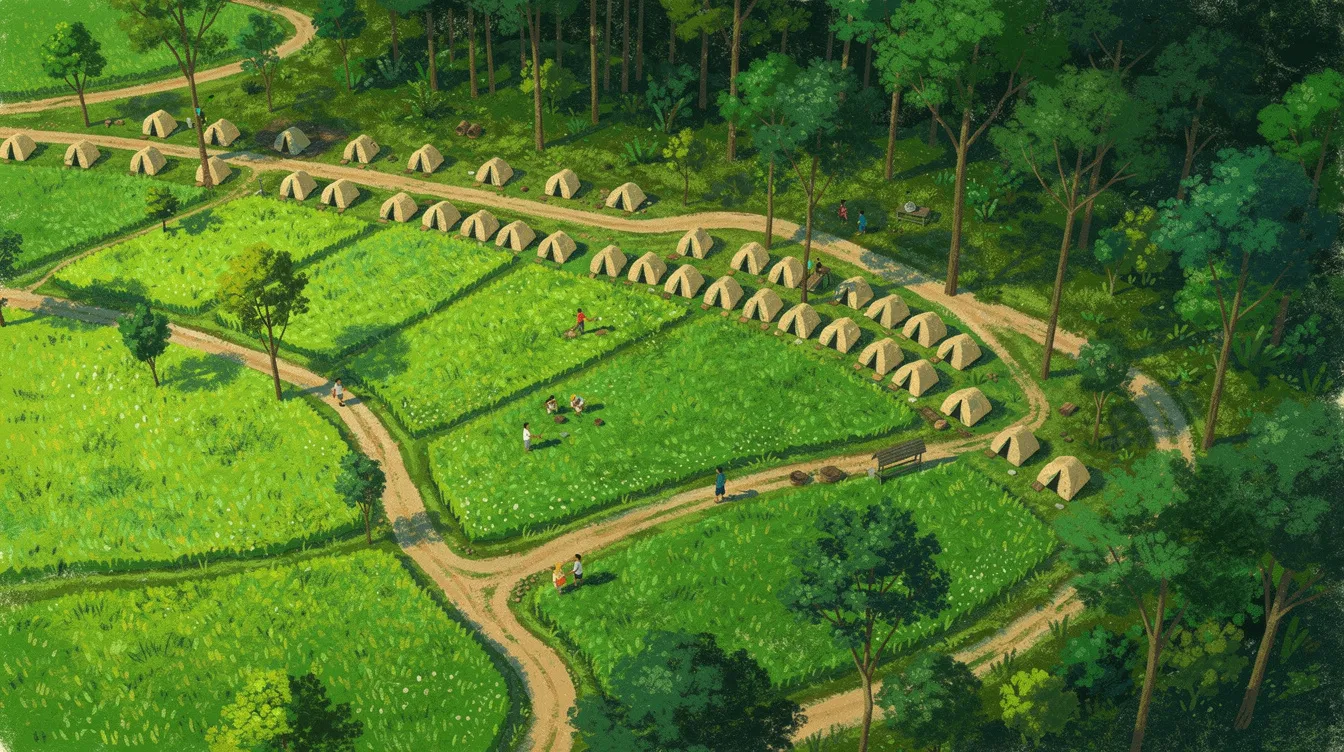
The Khnorng Phsar green tourism site, nestled in the Cardamom Mountains of Kampong Speu, is emerging as a model for sustainable tourism development in Cambodia. Prime Minister Hun Manet has taken a personal interest in the project, ensuring that local residents benefit directly from the investments rather than outside businesses.
Infrastructure improvements are underway, including a new community market and accommodation block at Darn Preah, which translates to 'Footprint of God'. These facilities are designed to serve members of the Rolak Kang Cheung Natural Resource Protection Community and are strategically located away from the camping area to minimize environmental impact.
“When the community members’ livelihoods are improved, they will not go to the forest to cut trees or hunt.”Khvay Atitya, Ministry of Environment spokesperson
According to Khvay Atitya, a spokesperson for the Ministry of Environment, more than 110 families are currently benefiting from the tourism growth, providing services such as food, camping accommodations, transportation, and tour guiding. Atitya explained that their main strategy is to link this development to the protection of natural resources, stating that when community members’ livelihoods are improved, they will not go to the forest to cut trees or hunt. This approach aims to enhance conservation efforts in the Cardamom Mountains, which are home to rich biodiversity and endangered wildlife.
Access to the site has improved significantly since the Prime Minister's visit last year, which designated Khnorng Phsar as a 'model community' for local economic development. The government has invested in a seven-kilometre road from the village to the trailheads, facilitating easier access for visitors. Atitya noted that the government wants to ensure the community has full management of the area, with all services provided by community members, from guiding to transportation.
“This makes much better economic sense than going to the forest and felling timber.”Hun Sao, community leader
Community leader Hun Sao highlighted the active participation of locals in tourism activities, stating that around 95 percent of the community is involved. He mentioned that families take turns to deliver services to guests, with some in charge of tour guiding, while others cook, clean, prepare tents, or even patrol the forest to protect it. This shift towards tourism has significantly reduced involvement in illegal forest activities.
For instance, transporting tourists can earn locals about $30 for a return trip, while tour guides can make around $40 a day. Sao emphasized the economic benefits of tourism over illegal logging, stating that it makes much better economic sense than going to the forest and felling timber.
“His teams still discover traps and snares on a regular basis.”Uong Bun Sim, forest ranger leader
Uong Bun Sim, who leads the forest rangers in the area, noted a decrease in forest crime since the community's formation, although challenges remain. He has requested additional patrol equipment, particularly drones, to help monitor hard-to-reach areas, mentioning that his teams still discover traps and snares on a regular basis.
As the Khnorng Phsar eco-site continues to develop, the local community is positioned to thrive economically while playing a crucial role in conservation efforts. The project exemplifies how tourism can be harnessed to benefit both people and the environment, fostering a sustainable future for the region.