Cambodia
Exploring the Enigmatic Highlands of Mondulkiri Province
Discover the lush landscapes and rich culture of Cambodia's most remote province, where tradition meets the wild.
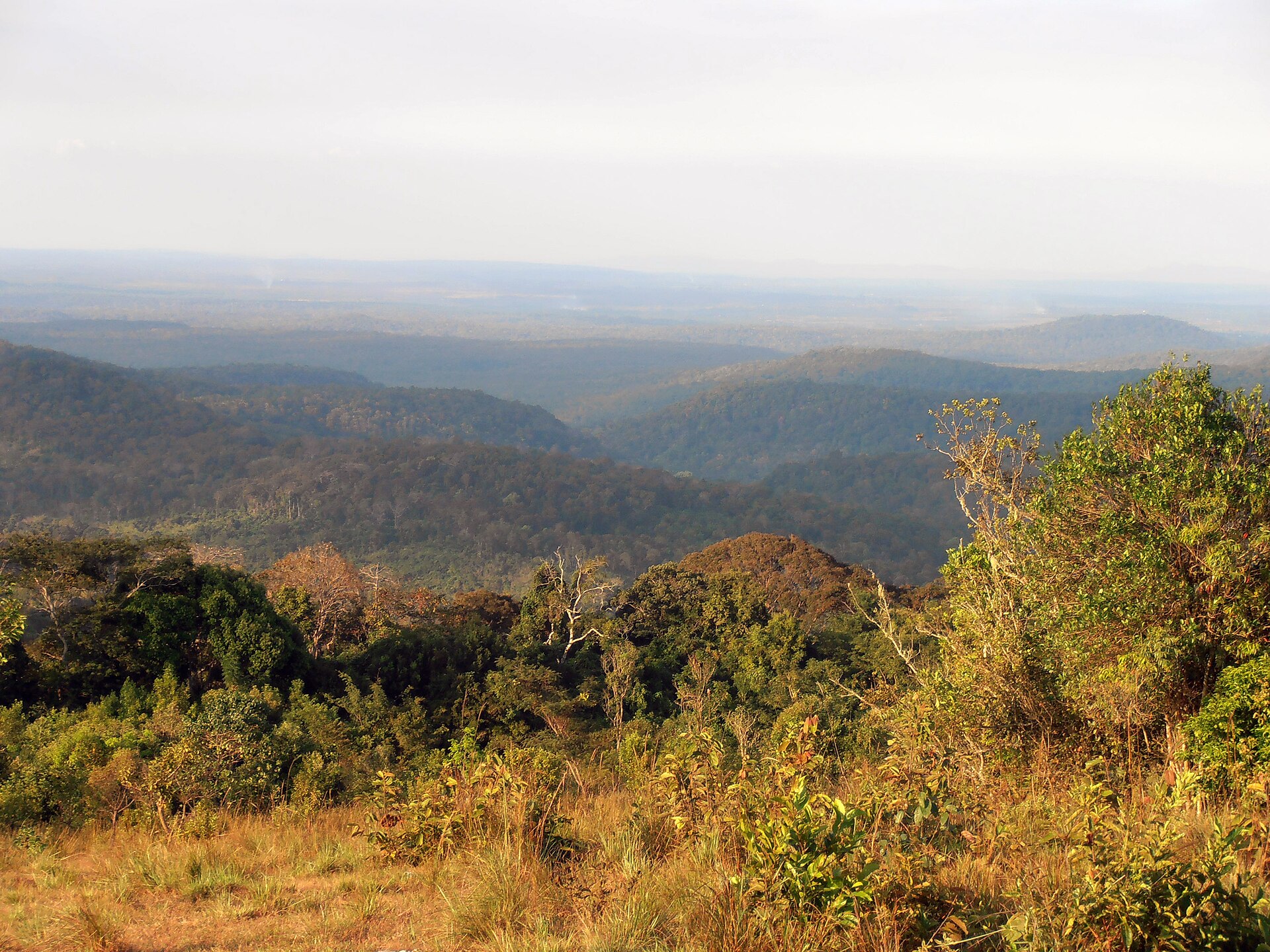
As the morning mist lifts from the rolling hills of Mondulkiri, a sense of tranquility envelops the land. The sound of cascading water fills the air, guiding you towards Bou Sra Waterfall, a breathtaking three-tiered marvel that embodies the province's natural beauty. This is not just a destination; it is a symphony of nature, culture, and resilience.
Mondulkiri, the largest yet most sparsely populated province in Cambodia, is a hidden gem that offers a glimpse into the heart of the country’s indigenous cultures. Nestled in the eastern highlands, the province is home to the Bunong people, who have lived here for over 2,000 years. Their deep connection to the land is palpable, as they navigate the challenges of modernity while preserving their rich traditions.
Waterfalls and Wilderness
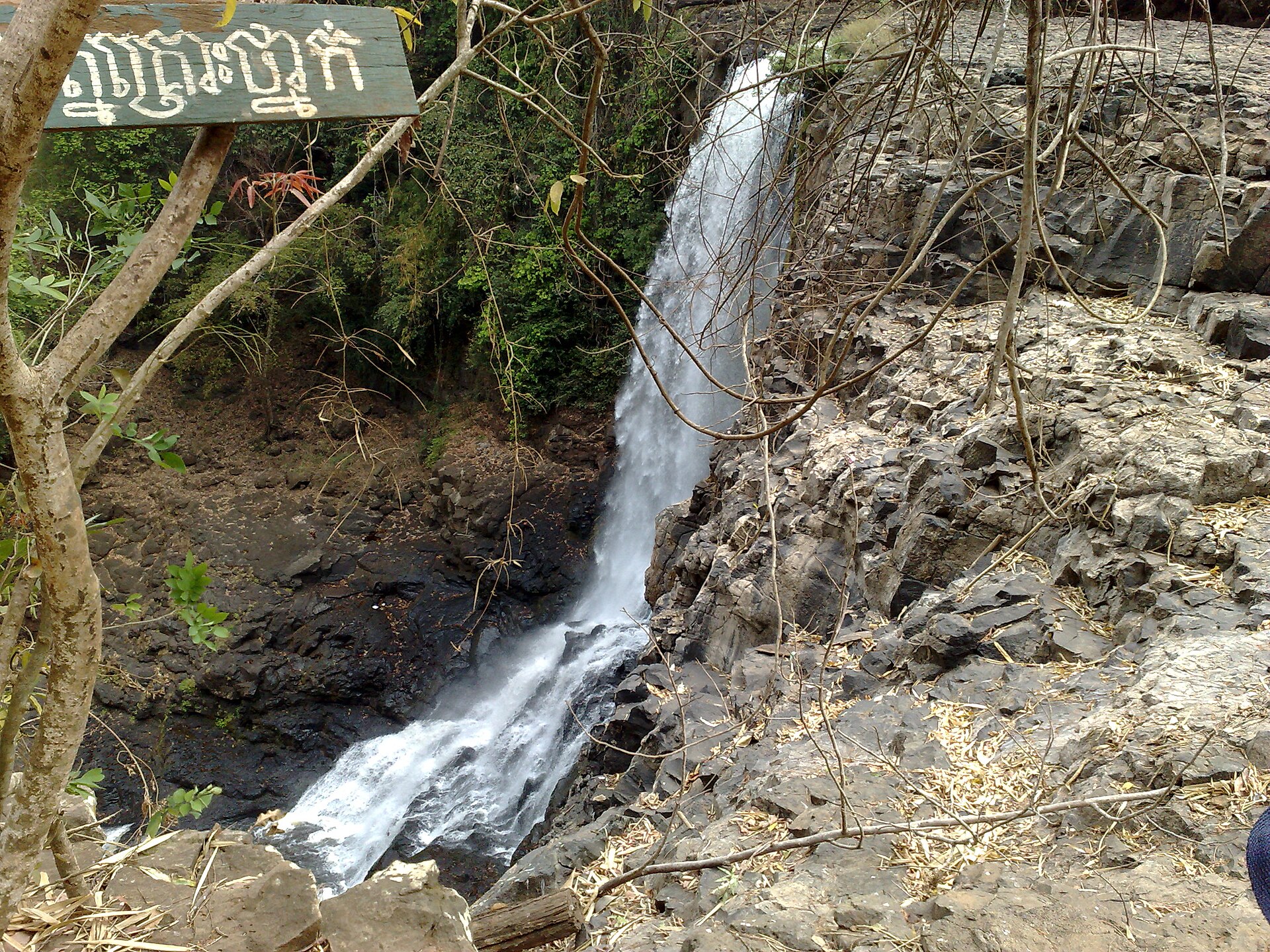
The allure of Mondulkiri lies in its stunning landscapes, where lush forests and powerful waterfalls create a paradise for nature lovers. Bou Sra, located about 43 kilometers from the provincial capital of Senmonorom, is the crown jewel among the waterfalls. As you approach, the roar of the water builds anticipation, and the view from the first tier is nothing short of spectacular. For the adventurous, a zipline offers a thrilling ride over the falls, providing a unique perspective of this natural wonder.
Just five kilometers from Senmonorom, the Senmonorom Waterfall is an easy trek for those looking to immerse themselves in the local scenery. The gentle trails lead you through verdant landscapes, where the air is filled with the scent of pine and the sounds of wildlife. For a more secluded experience, Romnea Waterfall, located ten kilometers from town, invites visitors to explore its serene beauty, although it is a reminder of the environmental challenges facing the region.
Culture and Community
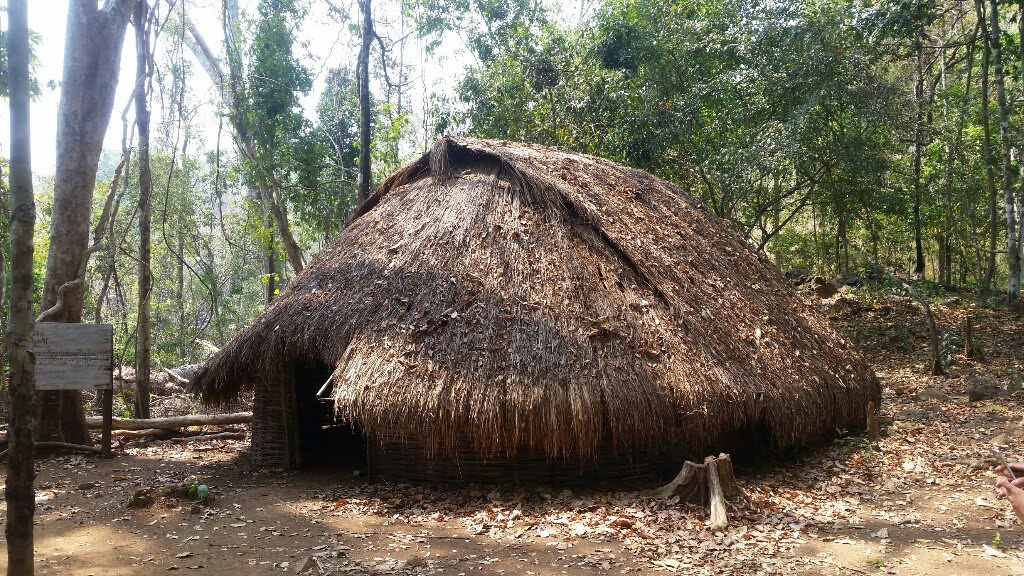
In Mondulkiri, culture is woven into the very fabric of daily life. Traditional Bunong houses, characterized by their unique architecture, stand as testaments to a way of life that has endured through adversity. Inside, large ancient jars and gongs tell stories of the past, each with its own significance in ceremonies and rituals. The Bunong people, despite the scars of history, continue to celebrate their heritage with pride, offering visitors a chance to witness their vibrant customs.
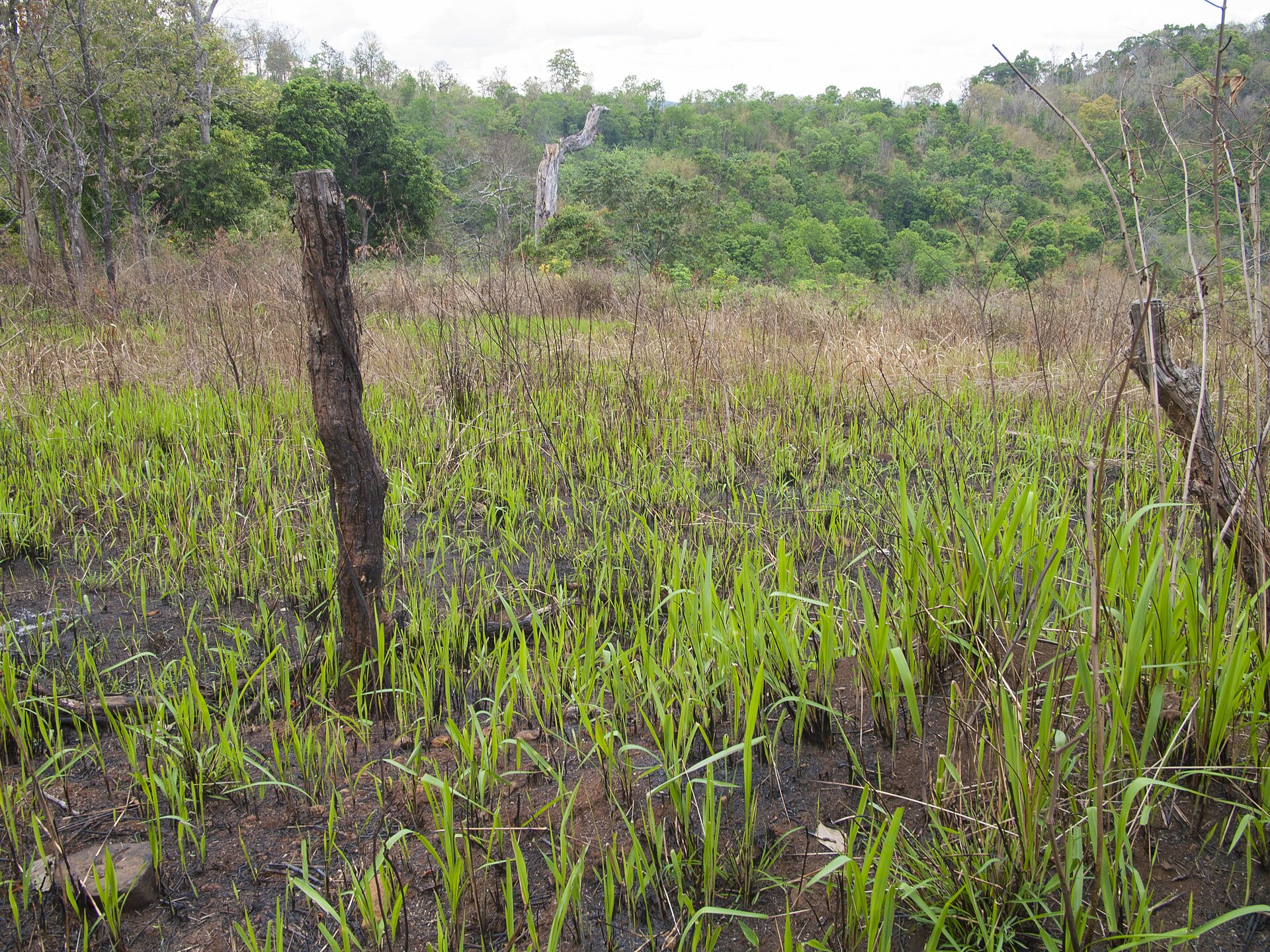
Yet, the province is not without its challenges. The encroachment of modern infrastructure, including roads that threaten indigenous lands, has sparked concern among the Bunong community. As they strive to protect their ancestral home, the resilience of the Bunong people shines through, reminding us of the importance of preserving cultural identities in the face of change.
Visiting Mondulkiri
Reaching Mondulkiri requires a bit of effort, but the journey is well worth it. Located approximately 390 kilometers from Phnom Penh, the capital, the province can be accessed via National Highway 76. The best time to visit is during the dry season from November to March, when the weather is cooler and the landscapes are lush.
As you explore the highlands, remember to respect local customs and traditions. Engaging with the Bunong people, whether through shared meals or cultural exchanges, enriches the experience and fosters a deeper understanding of this remarkable region. In Mondulkiri, every waterfall, every song, and every smile tells a story waiting to be discovered.