Cambodia
Discovering Angkor: Beyond the Crowds
Venture into the hidden corners of Angkor Archaeological Park, where tranquility meets ancient majesty.
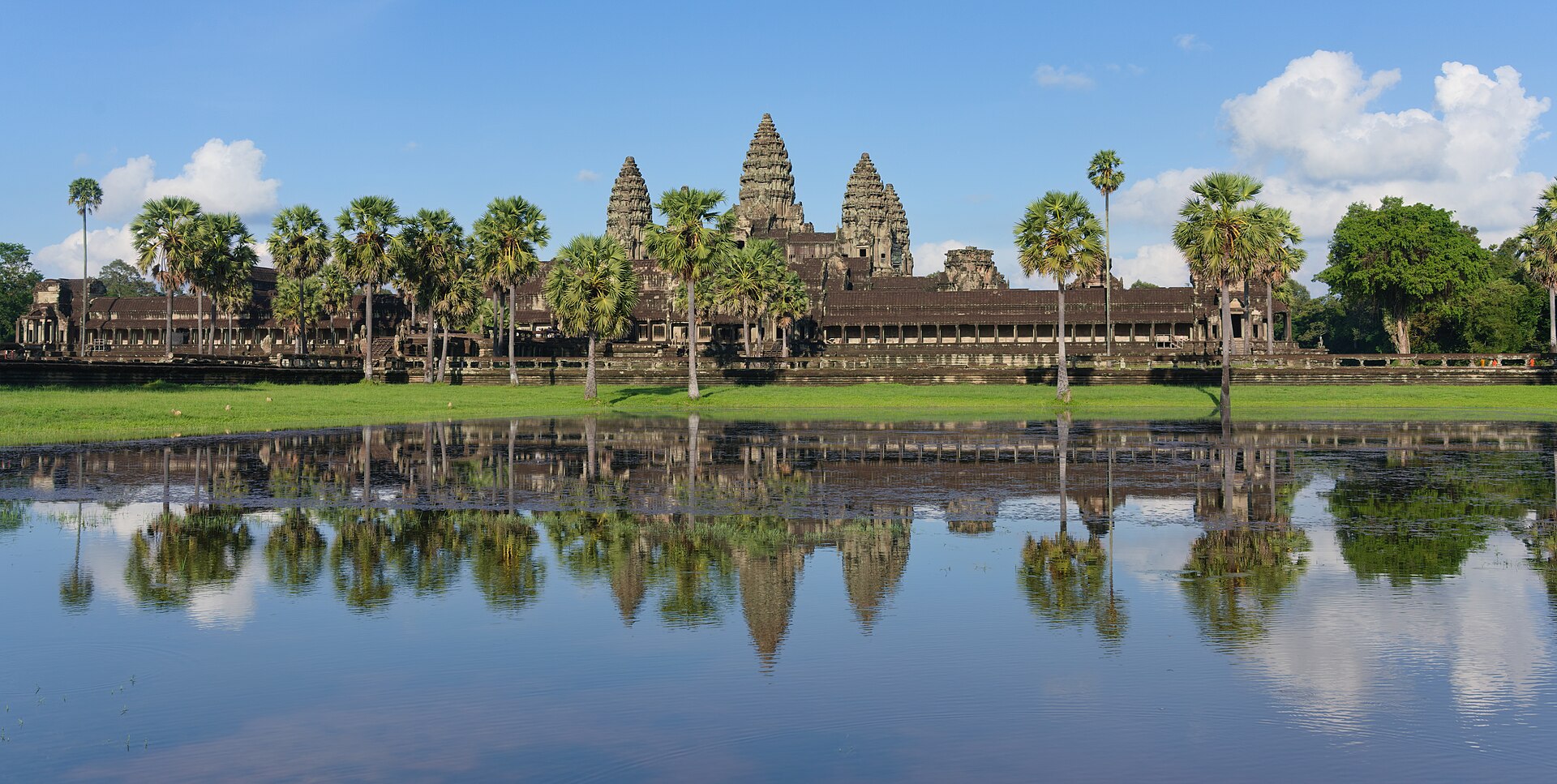
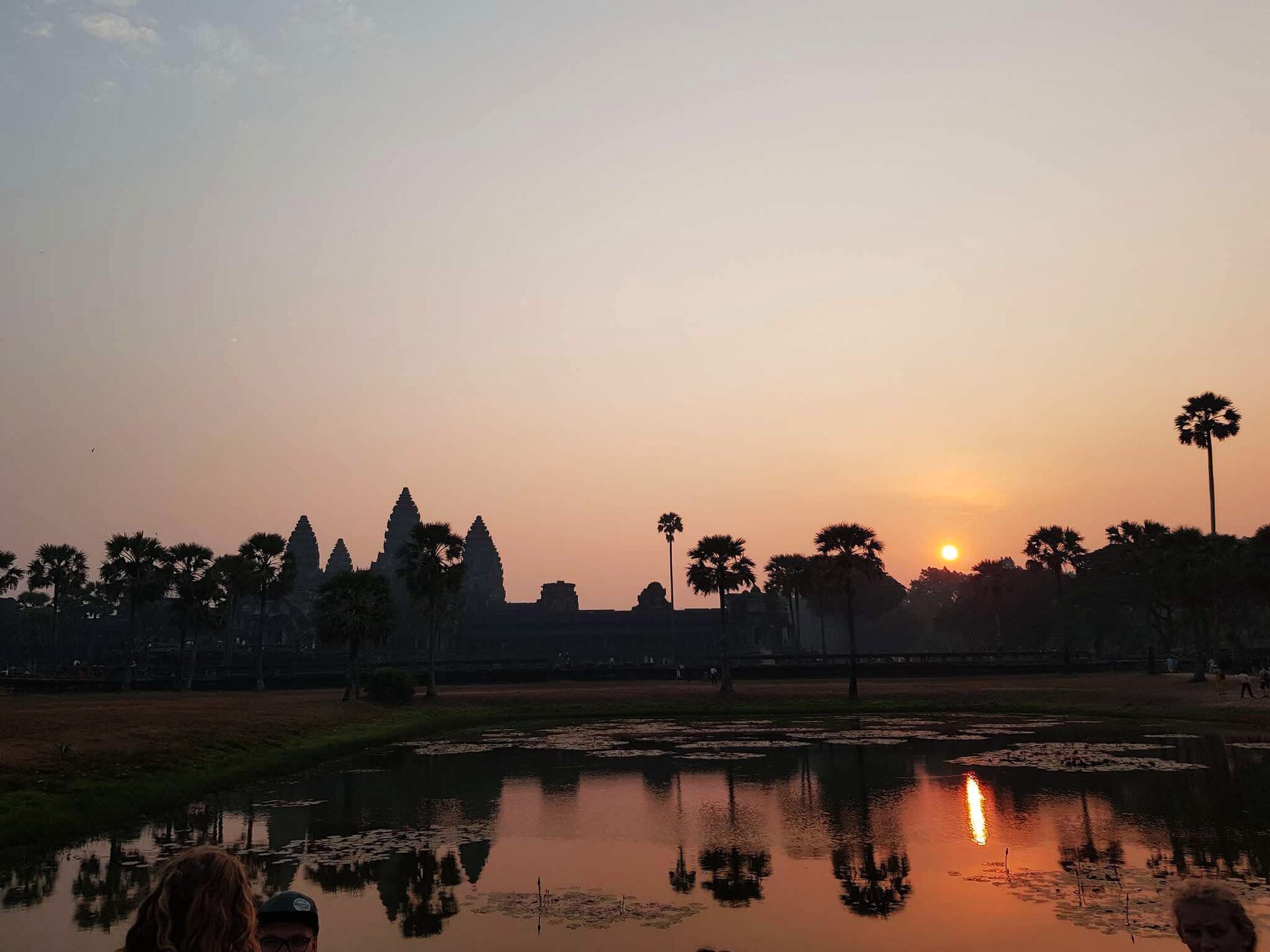
As dawn breaks over Angkor Wat, the world’s largest religious monument, the air is thick with anticipation. Tourists, armed with cameras and guidebooks, flock to catch a glimpse of the rising sun illuminating the temple’s five towers. Yet, just a few kilometers away, a different Angkor awaits—one that whispers stories of ancient kings and forgotten rituals, far from the bustling crowds.
The Enigmatic Temples of Ta Prohm
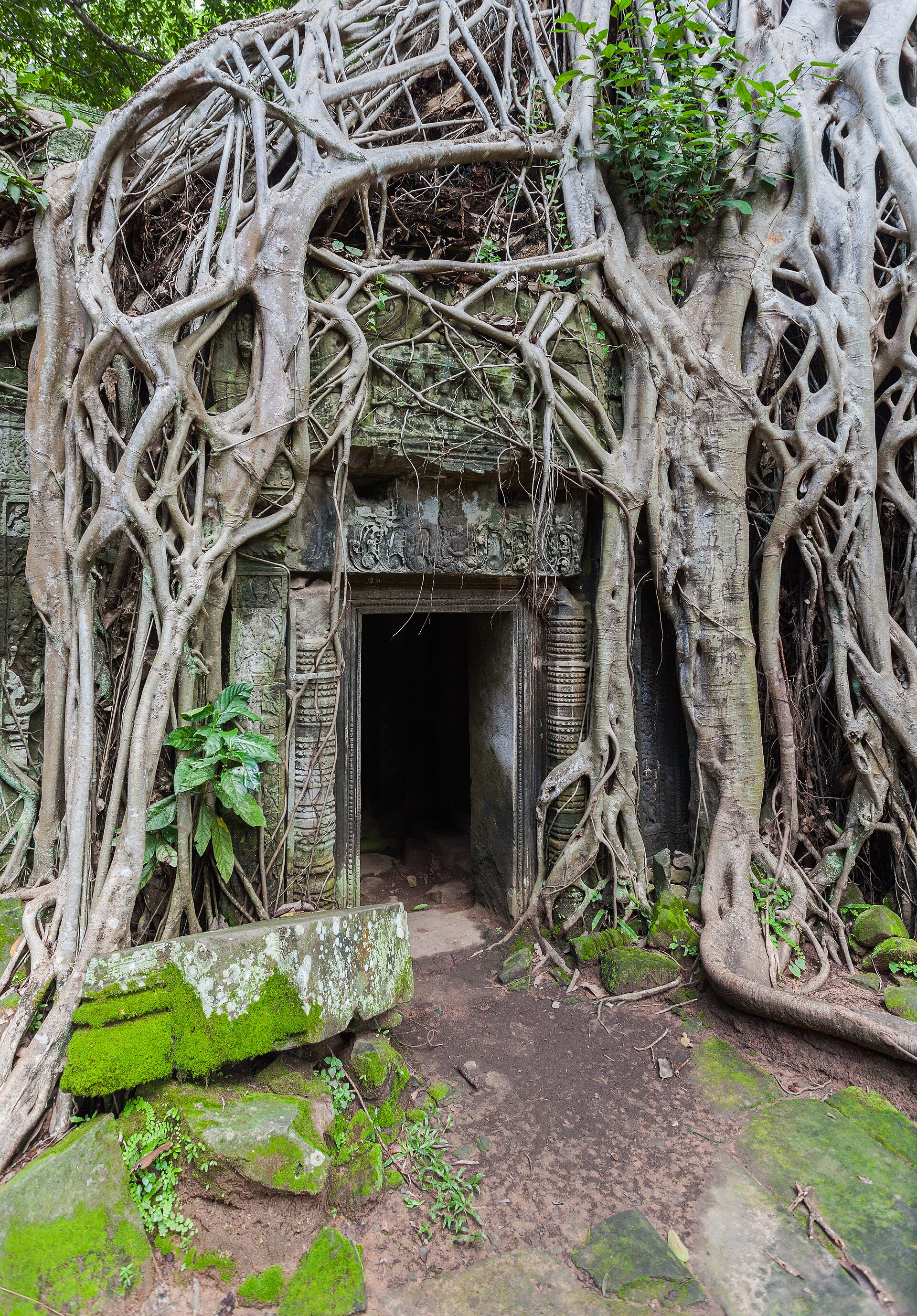
While the iconic Angkor Wat steals the spotlight, Ta Prohm offers a haunting beauty that captivates the imagination. Here, nature and architecture intertwine, as colossal trees entwine with crumbling stone, creating an otherworldly atmosphere. It is a scene reminiscent of a forgotten fairytale, where roots twist around ancient walls, reclaiming what was once theirs. Visiting Ta Prohm early in the morning, before the tour buses arrive, allows you to feel the pulse of history in the silence, interrupted only by the rustle of leaves.
Exploring the Hidden Gems
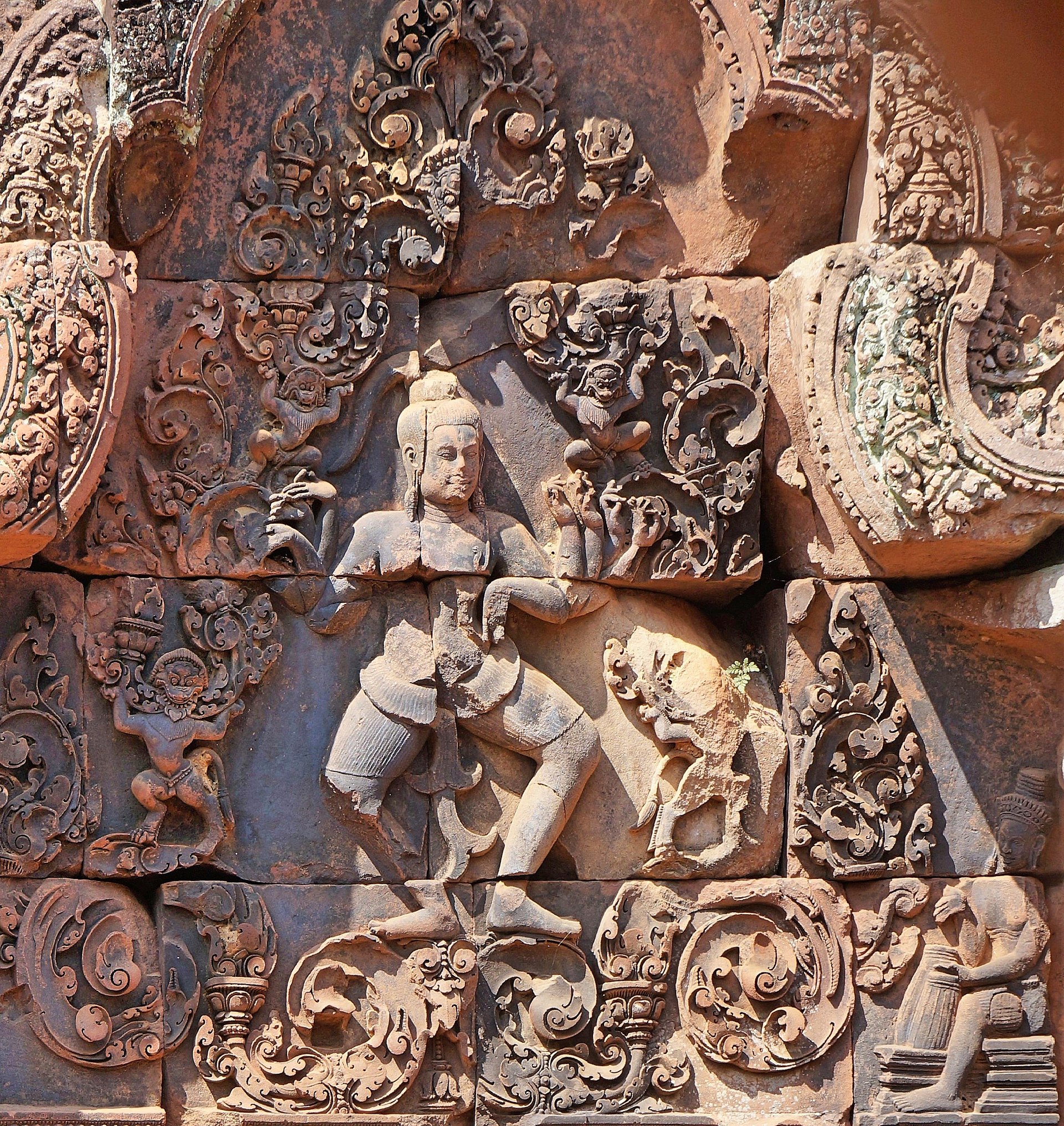
Beyond the main temples, Angkor is a sprawling landscape dotted with lesser-known sites that reveal the grandeur of the Khmer Empire. Banteay Srei, often overlooked by those rushing to Angkor Wat, boasts intricate carvings that are considered the finest in Cambodia. The temple, dedicated to the Hindu god Shiva, is a testament to the artistry of the ancient Khmer builders. Its pink sandstone walls tell tales of devotion and craftsmanship, inviting visitors to linger and ponder the stories etched in stone.
For those willing to venture further, the remote temple of Beng Mealea lies shrouded in jungle, offering a sense of adventure. Here, the crumbling ruins are largely untouched, allowing visitors to explore at their own pace, often with only the sound of chirping birds and the rustle of the wind for company. It’s a place where you can truly feel the weight of history, as nature reclaims its territory.
The Importance of Timing
To experience Angkor’s hidden treasures, timing is crucial. The peak season from November to February brings cooler temperatures but also larger crowds. Consider visiting during the rainy season, from June to October, when the temples are quieter and the landscape is lush. The rains often clear by afternoon, allowing for a morning of exploration without the throngs of tourists.
Respecting the Heritage
As you traverse these sacred grounds, it’s essential to respect the cultural significance of the sites. Dress modestly, covering shoulders and knees, and remember that many temples are still active places of worship. Engaging with local guides can enrich your understanding of the history and significance of the temples, providing insights that guidebooks often overlook.
Angkor is more than just a collection of ancient ruins; it is a living testament to the resilience and creativity of the Khmer people. By stepping off the beaten path, you can uncover the stories that lie hidden in the shadows of the grand temples, connecting with a past that still resonates in the heart of Cambodia today.