Cambodia
Dancing with Dolphins: A Journey to Kratie, Cambodia
In the heart of Cambodia, the Mekong River whispers secrets of the rare Irrawaddy dolphins. Discover the charm of Kratie, where nature and culture intertwine.
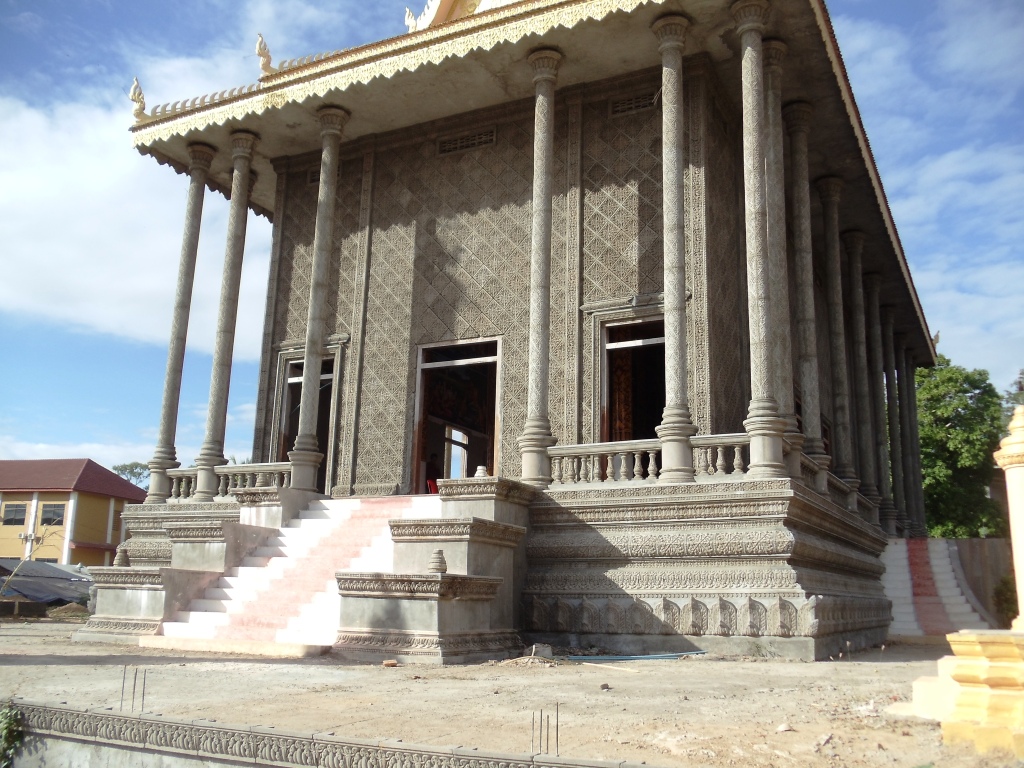
As the sun dips below the horizon, casting a golden hue over the Mekong River, the tranquil waters of Kratie come alive with the gentle surfacing of the Irrawaddy dolphins. These elusive creatures, with their rounded foreheads and playful demeanor, are a rare sight, and witnessing them in their natural habitat is a moment that lingers long after the sun has set.
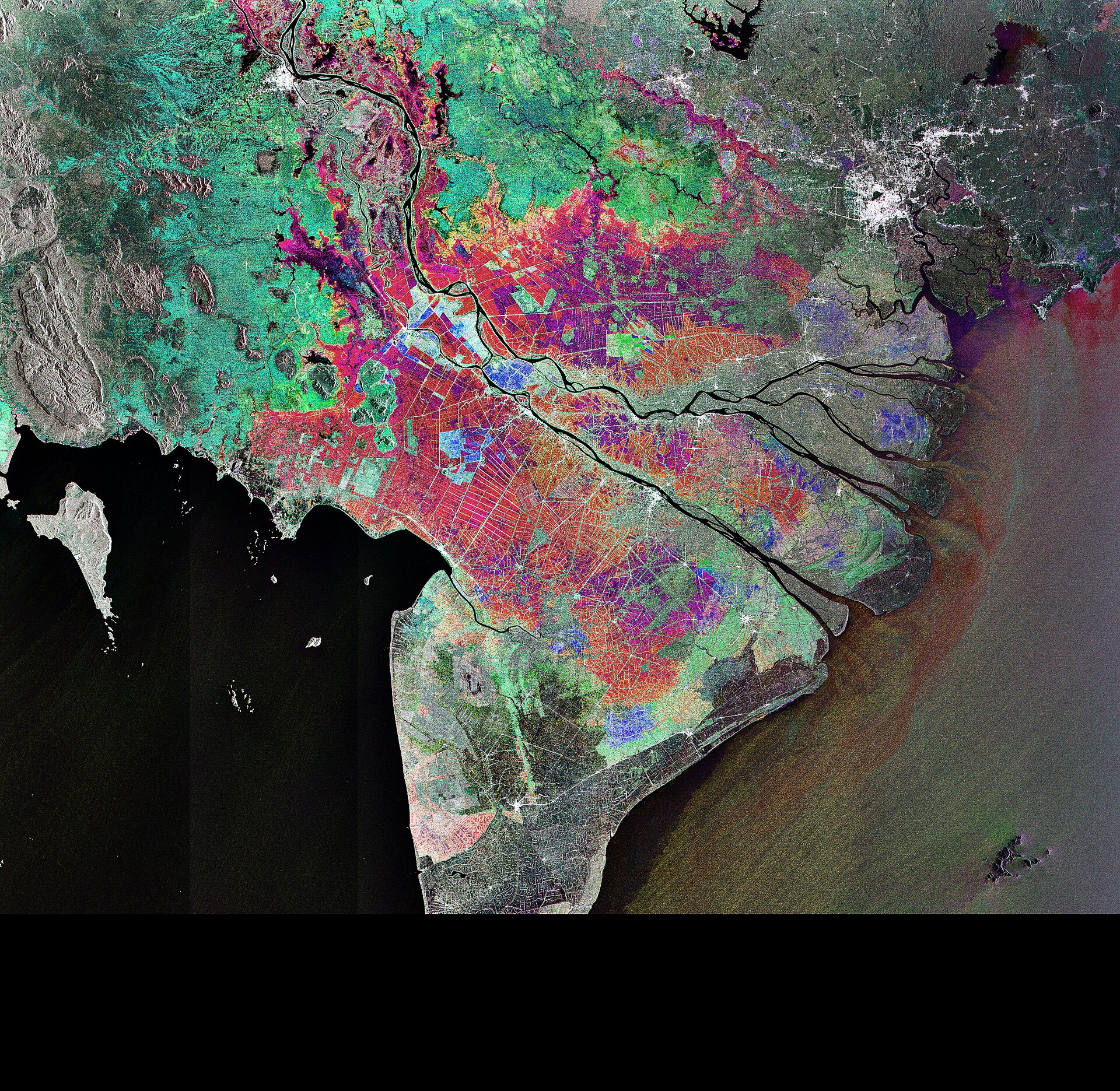
Kratie (ក្រចេះ), a small town in northeastern Cambodia, is not just a stopover for backpackers; it’s a gateway to one of the last remaining populations of these endangered dolphins. With only about 85 left in the Mekong, the chance to see them is both a thrill and a reminder of the delicate balance between nature and human activity. The best spot to catch a glimpse is Kampi village, just 15 kilometers north of town, where local boatmen offer guided tours that adhere to strict dolphin-watching guidelines, ensuring minimal disturbance to these magnificent creatures.
The Journey to Kratie
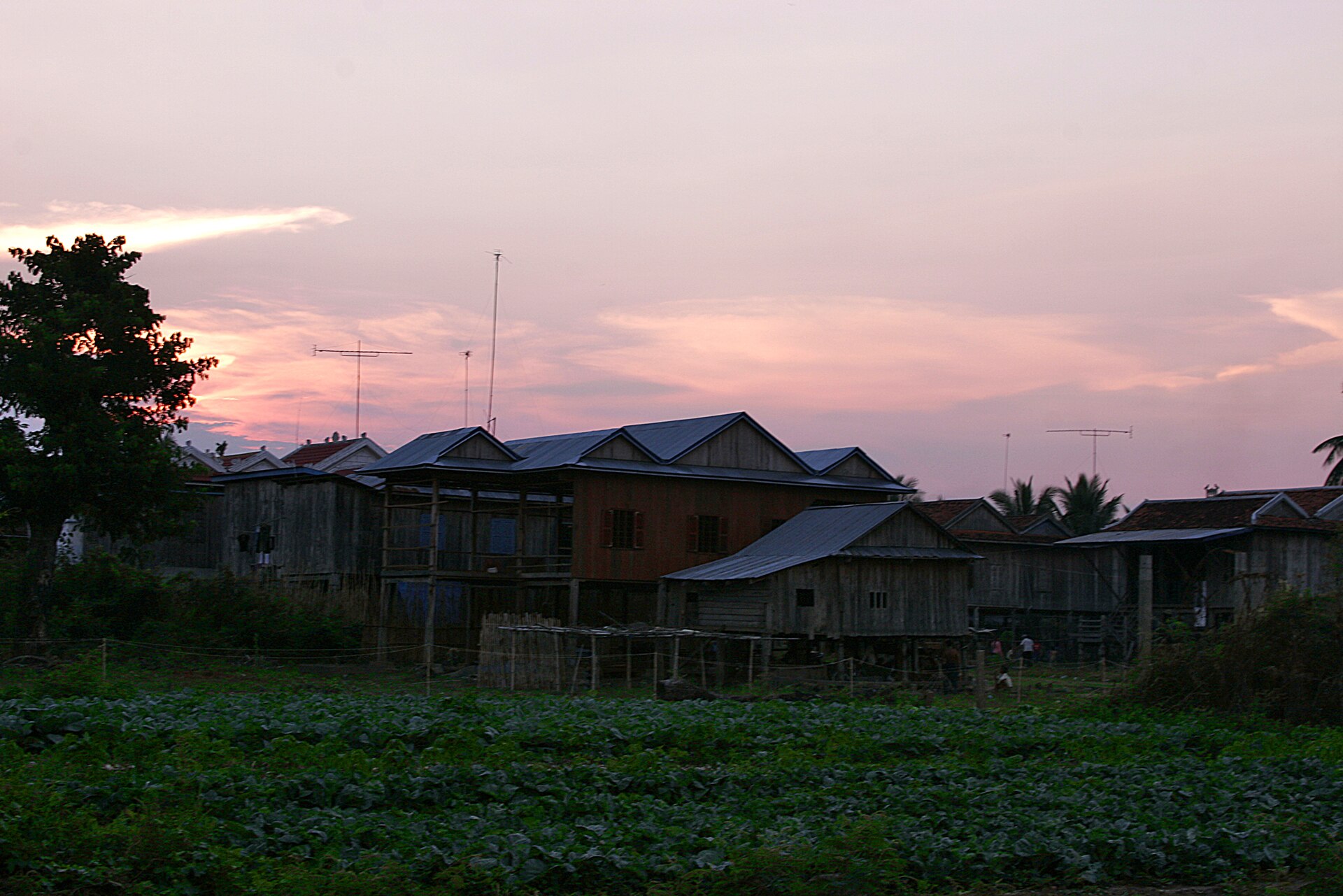
Getting to Kratie is part of the adventure. The roads are improving, making the journey from Phnom Penh or Siem Reap more accessible. Buses and share-taxis are common, but for a more immersive experience, consider traveling by truck, where you’ll find yourself surrounded by local Khmers, sharing stories and laughter.
Once in Kratie, the town’s charm is palpable. It is small enough to explore on foot or by bicycle, with rental shops lining the streets. Cycling along the riverbank, you’ll encounter friendly locals, vibrant markets, and the occasional concrete animal sculpture—a quirky reminder of the wildlife that once thrived here.
A Glimpse into Local Life
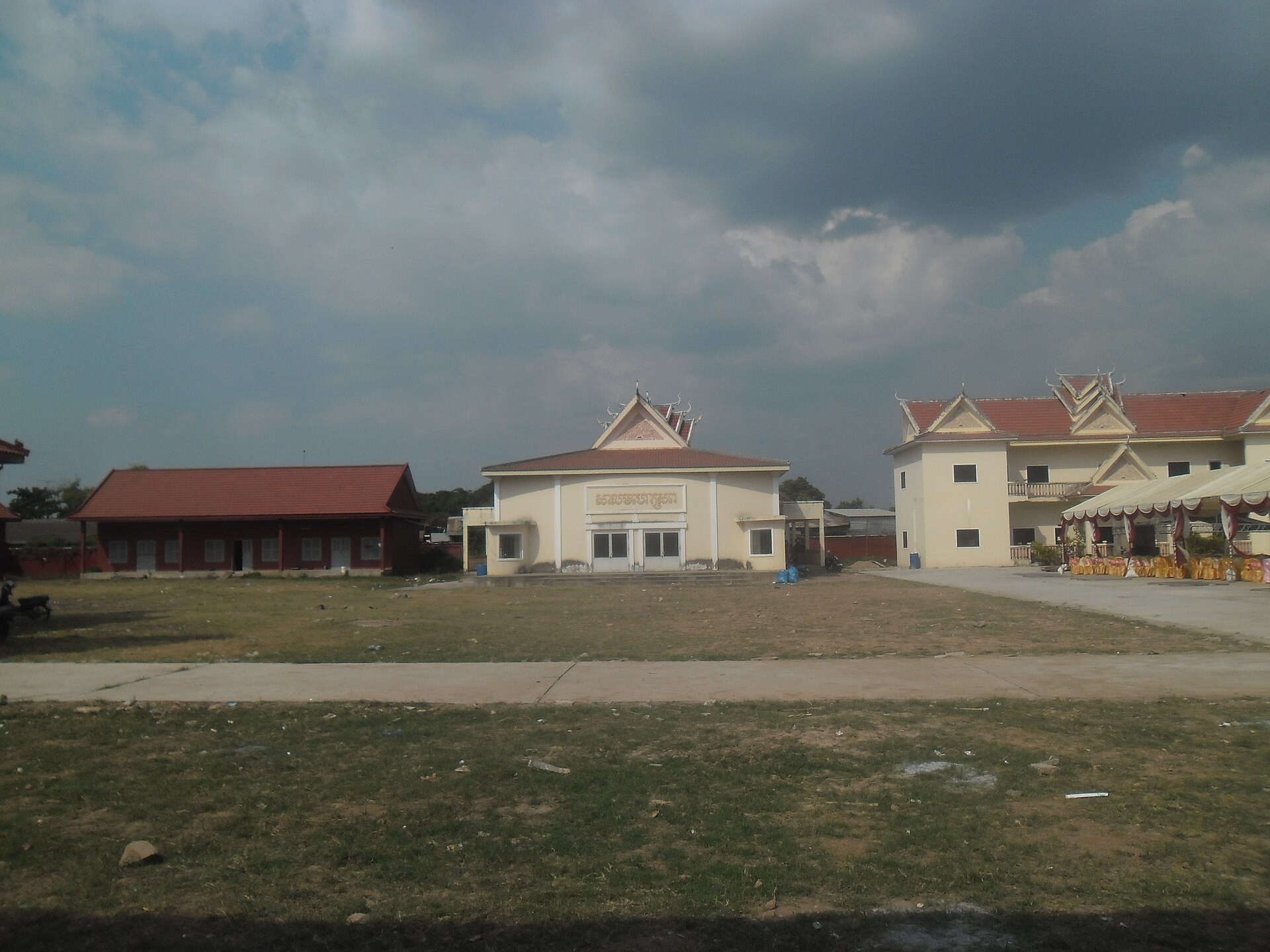
Beyond the dolphins, Kratie offers a rich tapestry of local culture. Visit the nearby basket-weaving villages, where artisans craft intricate pieces with skill passed down through generations. The Cham village of Chheu Teil Ploch is particularly famous, and a visit here provides insight into the traditional ways of life that have endured despite the rapid changes in the region.
For those interested in history, the pre-Angkorian site of Sambor, with its colorful murals and ancient temples, is a short ride away. Here, you can immerse yourself in the stories of Cambodia’s past, while also supporting local conservation efforts.
Respecting Nature and Culture
As you explore Kratie, it’s essential to respect both the local customs and the environment. Dress modestly, especially when visiting rural areas, and be mindful of litter, as the region struggles with waste management. Engaging with the community through initiatives like the Community Development Tours not only enriches your experience but also supports the preservation of both the dolphins and the local way of life.
The best time to visit Kratie is during the dry season, from November to February, when the weather is cooler and the chances of spotting dolphins are higher. However, be prepared for a more crowded experience during peak tourist months.
Kratie is a place where the rhythms of life slow down, and the beauty of nature takes center stage. As you sit by the river, watching the dolphins dance in the fading light, you’ll find a sense of peace that is hard to replicate. In this quiet corner of Cambodia, the connection between humans and nature is not just observed; it is felt deeply, is it not?