ASEAN
G7's Emergency Oil Release: A Response to Rising Fuel Prices
The G7 nations have committed to releasing 100 million barrels of oil and diesel in an effort to address surging prices and market instability.
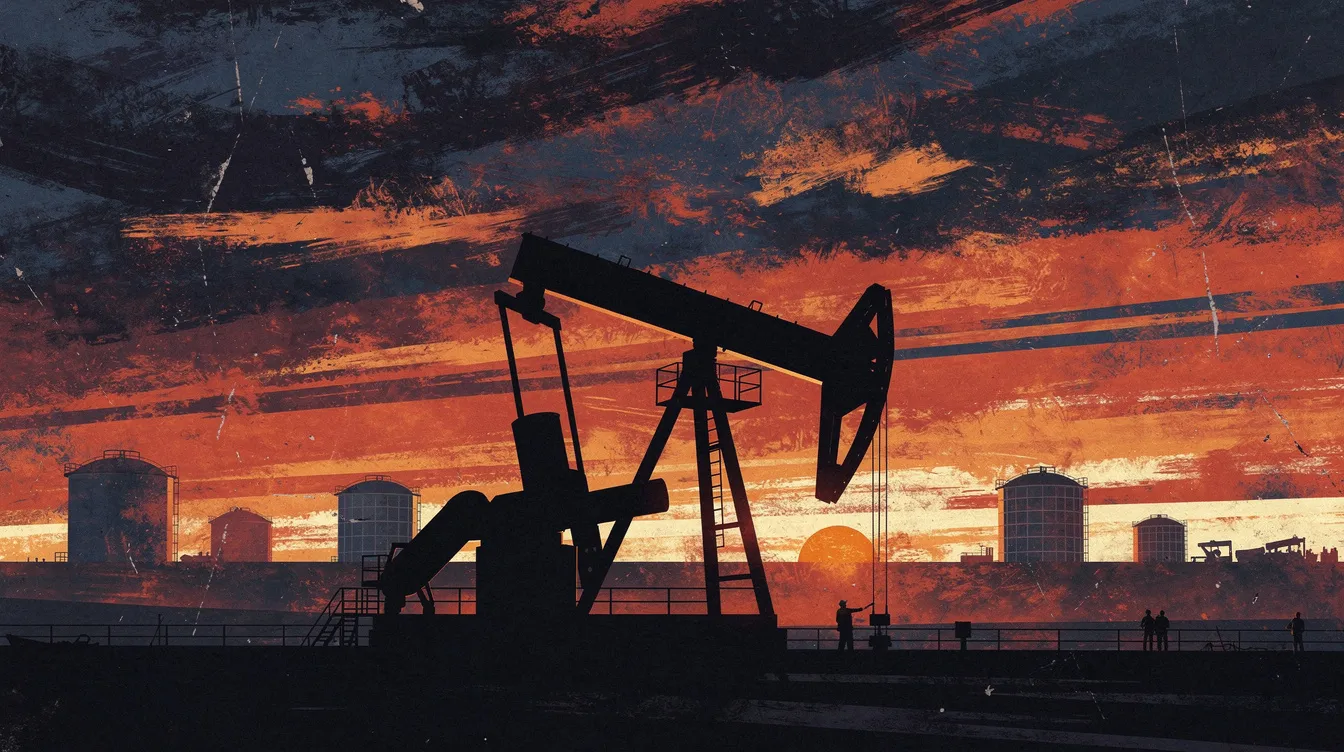
The Group of Seven (G7) nations have agreed to release 100 million barrels of oil and diesel from their emergency stockpiles. This decision comes as prices for diesel and crude oil have surged due to ongoing geopolitical tensions, particularly the conflict in the Middle East.
As part of the agreement, the G7 will begin with a substantial front-loaded release of diesel within the first 20 days. France, which currently holds the rotating G7 presidency, convened the leaders' video conference, which was chaired by French President Emmanuel Macron. The release is intended to address surging prices and market instability and ensure that member nations avoid imposing export restrictions on energy products, a point emphasized by the G7 leaders during their video conference.
The announcement follows a period of rising fuel costs, with the national average for diesel in the United States at $6.37 per gallon, down from a record high of $6.52 earlier in September, according to AAA data. This spike in prices has been attributed to various factors, including the ongoing conflict with Iran and trade disputes that have disrupted supply chains.
US President Donald Trump, who faced increasing pressure from his party to address rising fuel costs ahead of the midterm elections, said that the diesel release would begin immediately. He has been vocal about the need to manage fuel prices, maintaining that the economic costs are justified to prevent Iran from obtaining nuclear weapons.
The G7's coordinated effort is also seen as a response to Trump's earlier threats to restrict US diesel exports unless European nations tapped into their reserves to alleviate market pressures. Macron said that the G7's commitment to releasing strategic reserves is crucial for ensuring that energy markets remain stable and accessible.
In addition to the immediate release of oil and diesel, the G7 has committed to continuously monitor the situation and discuss further releases as necessary. The International Energy Agency (IEA) will oversee the implementation of this release, coordinating efforts among member countries to ensure a smooth and effective response to the current energy crisis. According to the IEA, member governments collectively hold more than 1.2 billion barrels of public emergency oil stocks.